Evaluating Medieval Robes: Fit, Fabric, and Authentic Design Details
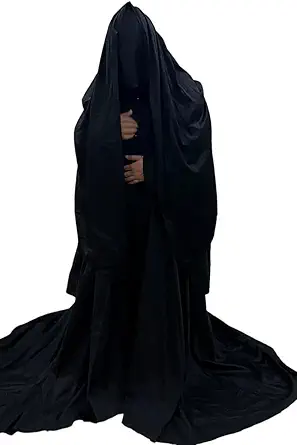
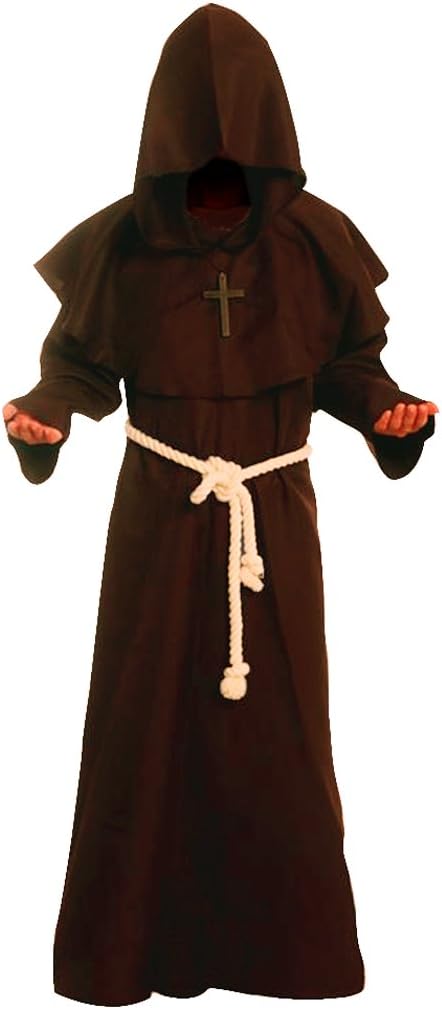
When purchasing a medieval-style robe like this hooded cloak, buyers should understand it serves dual purposes: costume accuracy and functional wearability. This specific product blends priest, monk, wizard, and sorcerer aesthetics, meaning its design elements—like the hood drape and closure system—directly impact its versatility for different characters.
Key Considerations Before Buying
- Assess the closure mechanism; many medieval robes use simple tie closures or toggles, which affect how the cape sits on the shoulders during movement.
- Examine the hood construction—authentic monk and wizard robes typically have generous hoods that can be worn up without obscuring vision, unlike some costume versions.
- Consider the sleeve and armhole design; true medieval robes have loose, flowing sleeves, while cheaper costumes may have restrictive cuts that limit arm movement.
What Our Analysts Recommend
Quality indicators include reinforced stitching at stress points like the hood attachment and hem, a consistent dye job that won't bleed, and fabric weight—heavier cotton or polyester blends drape more authentically than thin, shiny materials. The interior finishing around the neckline is particularly telling of overall construction quality.
Robes, Capes & Jackets Market Context
Market Overview
The medieval robe and cape category is saturated with products ranging from theatrical-grade garments to flimsy Halloween costumes, often with overlapping descriptions like 'priest monk wizard' to capture multiple search terms. Consumers typically encounter polyester blends at various price points, with significant variation in historical accuracy and durability.
Common Issues
Common problems include inaccurate sizing charts leading to length issues (robes being too short for taller wearers), hoods that are poorly proportioned and fall backward, and cheap metal grommets or fasteners that pull out from the fabric. Color discrepancies between product photos and actual items are also frequent in this category.
Quality Indicators
Look for products specifying fabric weight (e.g., 'medium-weight polyester'), detailed size charts with garment measurements (not just body measurements), and photos showing the interior seams. Higher-quality robes will mention finished edges, bar-tacked stress points, and sometimes include a belt or sash that matches the robe's aesthetic.
Review Authenticity Insights
Grade B Interpretation
A Grade B authenticity rating with a 10% estimated fake review rate indicates the majority of feedback is reliable, but shoppers should remain slightly cautious of overly enthusiastic 5-star reviews. The 0.19-point drop from the displayed 3.89 to the adjusted 3.70 rating suggests some review inflation, though not severe.
Trust Recommendation
Focus on the verified purchase reviews, particularly the 3- and 4-star ratings, which often provide balanced assessments of fit and fabric feel. Given the 90% authentic review rate, the consensus on sizing (whether it runs large, small, or true) is likely accurate and should guide your selection.
Tips for Reading Reviews
Prioritize reviews that mention specific use cases—like Renaissance Faire wear, LARPing, or theatrical use—over generic 'looks great' comments. Pay close attention to comments about the hood's functionality and the robe's length relative to the wearer's height, as these are common pain points.
Expert Perspective
With an adjusted rating of 3.70 from over 800 verified reviews, this robe sits in the solid mid-tier range for costume capes—acceptable for occasional use but may have consistent flaws noted by critical reviewers. The fact that all reviews are verified purchases significantly strengthens the credibility of the feedback regarding material quality and sizing accuracy. The natural distribution of ratings suggests a typical pattern where the product meets basic expectations but may disappoint those seeking premium materials or perfect historical replication.
Purchase Considerations
Weigh the importance of fabric thickness and drape against your intended use; a thinner robe may suffice for a single Halloween event but won't hold up to regular LARPing. Consider whether you need the robe to accommodate layers underneath for outdoor events, as some reviewers note the fit through the shoulders and chest.
Comparing Alternatives
Shoppers should compare this robe's specific closure style, hood shape, and listed materials against similar-priced options, as small design differences significantly impact the final look and feel.