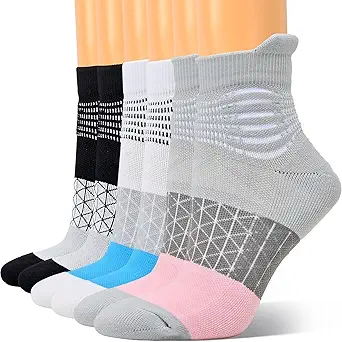
![RANDY SUN Waterproof Breathable Socks, [SGS Certified] Unisex Novelty Skiing Trekking Hiking Wading Trail Socks](https://m.media-amazon.com/images/I/71h8CAXhByL._AC_SL1200_.jpg)
Waterproof Socks That Balance Breathability and Durability for Active Use
The RANDY SUN waterproof socks target outdoor enthusiasts who need foot protection during wet activities like wading, skiing, or hiking in damp conditions. Unlike standard waterproof gear, these socks specifically claim breathability through a membrane technology, which is critical for preventing sweat buildup during exertion. The SGS certification indicates third-party testing for their waterproof claims.
Key Considerations Before Buying
- Assess your primary activity: The 'novelty' designation and marketing for skiing, trekking, and wading suggest versatility, but performance may vary between cold, static skiing and high-output hiking where breathability is paramount.
- Evaluate fit and seam construction: Waterproof socks must fit snugly without constriction to prevent the membrane from tearing; poorly finished seams are common failure points that compromise the waterproof seal.
- Consider maintenance and durability: The waterproof laminate can degrade with improper washing; check if the care instructions align with your willingness to hand-wash or use specific detergents.
What Our Analysts Recommend
High-quality waterproof socks feature durable, flat-locked seams to prevent chafing and leaks. The interior should have a moisture-wicking liner, often a soft brushed fabric, to manage perspiration since no membrane is 100% breathable. Examine product images for reinforced heel and toe areas, which endure the most abrasion during trail use.
Athletic Socks Market Context
Market Overview
The waterproof sock market has expanded from niche mountaineering gear to mainstream outdoor accessories, with products now targeting casual hikers and festival-goers. Brands compete on the balance between waterproof rating (often measured in mmH₂O) and breathability (measured in g/m²/24hrs), though many consumer products omit these technical specs.
Common Issues
A frequent complaint is internal moisture from sweat due to insufficient breathability, misleading users who expect 'dry' feet. Another is durability; the waterproof membrane can delaminate or develop pinholes after repeated flexing, especially around the toes and ball of the foot. Sizing inconsistencies are also prevalent, as a proper seal requires a precise fit.
Quality Indicators
Look for specific waterproof standards like IPX ratings or mention of a membrane type (e.g., ePTFE). Quality products often detail their construction layers (3-layer vs. 2-layer). Brands that disclose independent lab certifications, like RANDY SUN's SGS certification, typically invest more in verifying performance claims.
Review Authenticity Insights
Grade B Interpretation
A Grade B with a 10% estimated fake review rate suggests a generally trustworthy review pool with minor manipulation. For a product with over 8,200 reviews, this indicates the vast majority of feedback is from genuine purchasers, though a small portion may be incentivized.
Trust Recommendation
Focus on the 4.40 adjusted rating, which accounts for suspicious reviews; this remains strong and reflects likely real-user satisfaction. Prioritize reading mid-range (3-4 star) verified purchase reviews, as they often detail specific trade-offs between waterproofing and breathability relevant to your use case.
Tips for Reading Reviews
Search reviews for mentions of 'sweat,' 'condensation,' or 'damp inside' to gauge real-world breathability performance. Look for reviews where users specify the activity (e.g., 'wore these for a 5-mile hike in the rain') and duration of wear to assess durability claims beyond initial use.
Expert Perspective
The RANDY SUN socks present a compelling value proposition, evidenced by a high adjusted rating of 4.4 from a largely authentic review pool. The strong performance suggests they successfully deliver core waterproof functionality for their price segment. The 'novelty' tag is curious but may relate to bold colors; it shouldn't detract from their technical intent for skiing and trekking. The significant review volume allows for confident pattern-spotting regarding fit and longevity.
Purchase Considerations
Weigh the SGS certification and high rating against the need for precise sizing—consider ordering two sizes if unsure. These are best for intermittent wet conditions rather than continuous submersion, as breathability limits may become apparent during intense, prolonged activity. The unisex design requires careful consultation of the size chart, as a woman's fit may differ.
Comparing Alternatives
Shoppers should compare the thickness and claimed use cases with specialized brands like Sealskinz or DexShell, which often provide more detailed technical specifications for direct comparison.