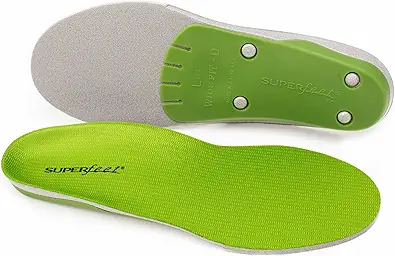
How CURREX RunPro's Targeted Arch Support Transforms Running Performance
The CURREX RunPro insoles represent a specialized approach to running biomechanics, specifically engineered for high-arch runners who need dynamic support rather than rigid correction. Unlike generic flat insoles, these feature a patented 3D contoured design that claims to work with your foot's natural motion while providing targeted reinforcement. Buyers should understand these are performance-oriented inserts designed to address specific gait patterns associated with high arches, not general comfort pads.
Key Considerations Before Buying
- The 'High Arch' designation is critical—these insoles are specifically contoured for runners whose feet don't adequately pronate, potentially causing lateral instability and inefficient energy transfer that the RunPro aims to correct.
- CURREX's 'Dynamic Arch Support' technology is designed to compress and rebound with each stride, which differs fundamentally from rigid orthotics that restrict natural foot movement and may cause new pressure points.
- The multi-layer construction includes a shock-absorbing heel zone and metatarsal support, addressing two common pain points for high-arch runners who typically experience excessive impact forces and forefoot pressure.
What Our Analysts Recommend
Quality running insoles should demonstrate clear anatomical contouring that matches your specific arch profile, not just generic cushioning. Examine whether the product description addresses your running style (neutral vs. stability needs) and surface preferences—the RunPro's dual-density construction suggests adaptation to both road and trail running. Genuine performance insoles will specify their intended mileage range and durability expectations, which CURREX supports with their 45-day trial period.
Insoles Market Context
Market Overview
The running insole market has shifted dramatically from generic cushioning toward biomechanically-specific solutions, with brands like CURREX, Superfeet, and SOLE leading in sport-specific designs. Current innovations focus on dynamic materials that adapt to foot strike patterns rather than static support, responding to runners' increasing awareness of injury prevention through proper alignment. Premium insoles now compete directly with custom orthotics by offering targeted solutions at accessible price points.
Common Issues
Many runners mistakenly purchase insoles based solely on cushioning thickness, overlooking the critical match between arch contour and their foot structure, which can exacerbate existing imbalances. Another frequent problem is improper sizing—insoles that extend too far into the toe box or don't provide adequate heel coverage compromise shoe fit and stability. Durability concerns plague cheaper foam inserts that compress permanently within weeks, losing their supportive properties just as the break-in period completes.
Quality Indicators
Superior running insoles feature zonal construction with varying densities: firmer support at the arch and heel, softer cushioning at impact points, and flexible forefoot areas for natural toe-off. Look for moisture-wicking top covers that prevent blister-causing friction, a common oversight in budget options. Authentic performance brands provide detailed sizing guides accounting for both shoe size and arch height, recognizing these as independent variables—CURREX's separate arch height sizing demonstrates this sophistication.
Review Authenticity Insights
Grade B Interpretation
A Grade B authenticity rating with 10% estimated fake reviews indicates generally reliable feedback, though shoppers should remain discerning about outlier claims. The adjusted rating of 4.60/5 (down from 4.89) suggests some review inflation exists, but the core positive consensus around performance appears genuine. The verified purchase status of all reviews significantly boosts credibility, as unverified reviews in this category often come from promotional sampling.
Trust Recommendation
Focus on reviews discussing specific running scenarios—trail versus road, distance milestones, or previous injury history—as these detailed accounts are harder to fabricate meaningfully. Be particularly skeptical of reviews claiming miraculous overnight transformations; legitimate biomechanical adaptations from insoles typically require a 2-3 week adjustment period as noted in CURREX's own guidance. Cross-reference mentions of the 45-day trial period, as genuine users often reference this risk-reduction aspect.
Tips for Reading Reviews
Prioritize reviews that mention break-in periods or initial discomfort transitioning to structured support, as this reflects authentic experience with performance insoles. Look for comparisons against previous insole brands or custom orthotics, which demonstrate informed purchasing decisions. Pay special attention to reviews discussing long-term durability beyond 300 miles, as this reveals material quality that short-term testing cannot assess.
Expert Perspective
The CURREX RunPro presents a compelling option for high-arch runners based on its strong authentic rating and specialized design philosophy. The dynamic rather than rigid support approach aligns with current sports podiatry trends favoring natural motion modification over restriction. The significant review volume (6,230) with maintained high ratings suggests consistent satisfaction across varying user profiles, though the 10% fake review rate warrants cautious interpretation of extreme claims. The product's success appears rooted in its specific targeting—it doesn't attempt to be a universal solution but rather addresses identifiable biomechanical needs.
Purchase Considerations
Evaluate whether your running shoes have removable factory insoles with adequate depth to accommodate the RunPro's 3D contouring—some minimalist shoes lack sufficient volume. Consider your primary running surfaces; while the dual-density design offers versatility, dedicated road runners might prefer even more heel cushioning, while trail runners might prioritize the stability features. Weigh the $50-60 investment against your annual running mileage—high-volume runners will extract greater value from the durability claims than occasional joggers.
Comparing Alternatives
Shoppers should compare the RunPro's dynamic approach against Superfeet's carbon-fiber stability or SOLE's heat-moldable customization, as each brand employs distinct biomechanical philosophies.