
Choosing the Right Origami Paper: Weight, Color, and Cut Matter Most
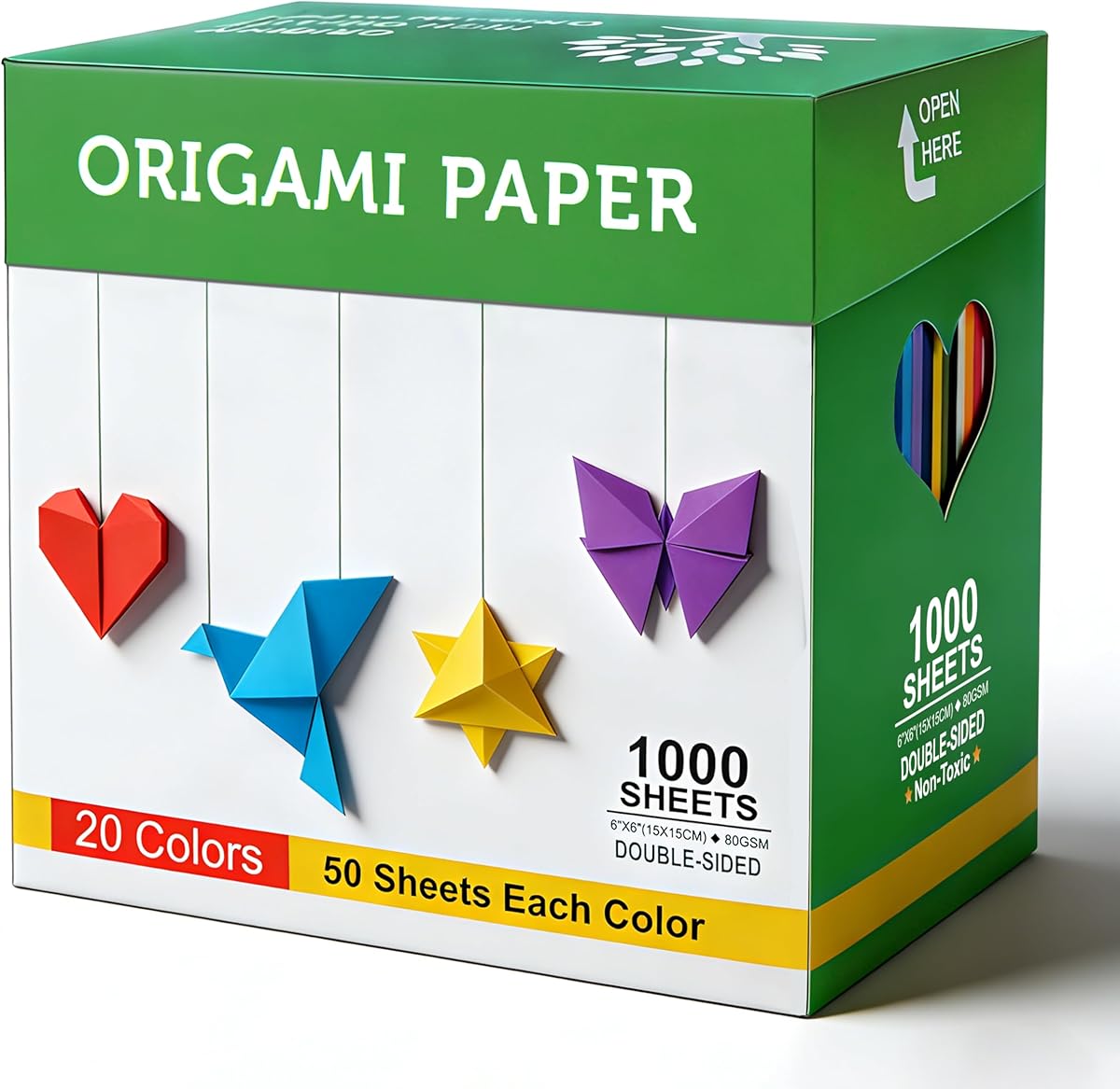
When selecting an origami paper kit like the BUBU 1000-sheet set, focus on three critical elements: paper weight for structural integrity, double-sided coloring for visual appeal, and precise square cutting for accurate folds. This specific product offers 6-inch squares in 20 vivid colors, making it suitable for everything from simple cranes to complex modular designs.
Key Considerations Before Buying
- Paper thickness (typically 60-90 gsm for origami) affects how well complex models hold their shape—thinner paper folds crisply but may tear, while thicker paper provides durability at the expense of precise creasing.
- Double-sided coloring eliminates white edges on finished models, which is particularly important for decorative pieces like butterflies and hearts where both sides are visible.
- The 6-inch size represents a versatile middle ground—large enough for beginners to handle comfortably yet suitable for intermediate projects requiring multiple folds without becoming too bulky.
What Our Analysts Recommend
Quality origami paper should have consistent sizing across all sheets (true squares without warping) and vibrant, bleed-resistant inks that don't transfer during folding. Check that the paper has a slight tooth or texture rather than being overly glossy, as this improves fold retention and reduces slipping during intricate maneuvers.
Origami Paper Market Context
Market Overview
The origami paper market has expanded beyond traditional Japanese washi to include affordable bulk kits aimed at Western crafters, educators, and hobbyists. These kits typically compete on sheet count, color variety, and beginner-friendly features rather than artisanal paper quality.
Common Issues
Budget kits often suffer from inconsistent cutting (non-square sheets), poor color saturation on one side of double-sided paper, and paper that's either too brittle for repeated folding or too thick for complex models. Some bulk sets also include colors that are too similar, limiting creative options.
Quality Indicators
Look for paper that folds cleanly without cracking along the crease line and maintains color integrity when folded. High-quality kits will specify paper weight (grams per square meter) and include a balanced color palette with distinct hues rather than just multiple shades of primary colors.
Review Authenticity Insights
Grade B Interpretation
A Grade B authenticity rating with 11% estimated fake reviews indicates that while most feedback is genuine, shoppers should be slightly more discerning than with higher-rated products. The 0.27-point drop from the displayed 4.67 to the adjusted 4.40 rating suggests some review inflation, though the overall sentiment remains strongly positive.
Trust Recommendation
Focus on reviews that mention specific projects (like crane garlands or classroom use) and include photos of actual folded creations rather than just package shots. Verified purchase reviews discussing paper thickness and color accuracy carry more weight than generic 'great product' comments.
Tips for Reading Reviews
Pay particular attention to reviews mentioning long-term use—how the paper holds up after weeks of folding, whether colors fade, and if sheets remain flat during storage. Also note comments about color distribution; some bulk kits unevenly allocate popular colors.
Expert Perspective
The BUBU kit represents strong value for high-volume users like teachers, camp organizers, or serious hobbyists who need abundant paper at reasonable cost. The 20 distinct colors and double-sided printing address common complaints about budget kits, while the 6-inch size accommodates both learning and display projects. The maintained 4.40 adjusted rating across thousands of reviews suggests consistent satisfaction with core functionality despite the noted authenticity concerns.
Purchase Considerations
This kit makes most sense for those who regularly fold multiple models or teach groups—individual hobbyists might find 1000 sheets excessive. Consider whether you need the color variety (20 colors versus basic packs of 5-10) and if the double-sided feature justifies potential premium over single-sided alternatives for your intended projects.
Comparing Alternatives
Shoppers should compare sheet count, actual color variety (some kits count different shades of blue as separate colors), and paper weight specifications against similar-priced options from brands like Tuttle or HG.


