
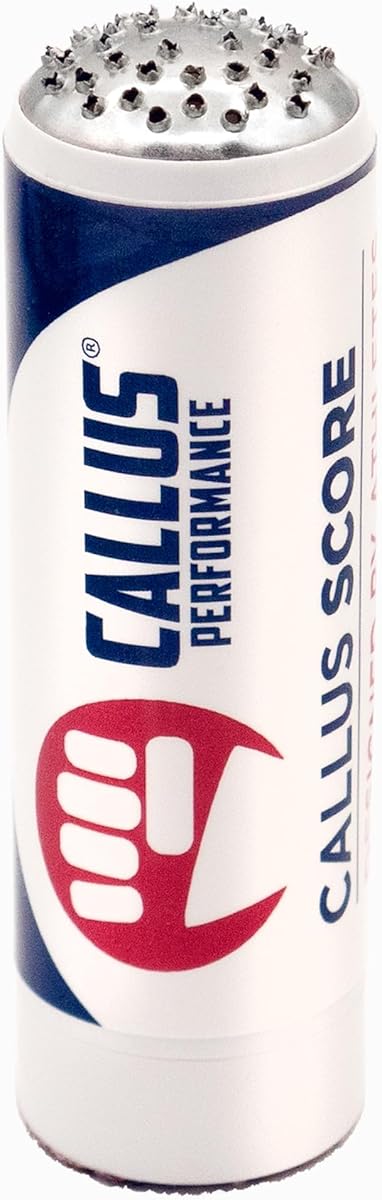
Choosing a Precision Callus Tool for Athletic Performance and Hand Protection
For athletes in weightlifting, CrossFit, and gymnastics, callus management isn't about cosmetic pedicures—it's injury prevention. The Callus Score is engineered specifically for this niche, focusing on controlled removal to prevent the ripping that can sideline training. Buyers should understand this tool prioritizes precision over aggressive removal, targeting the unique, thick calluses formed from bar work and rig grips.
Key Considerations Before Buying
- Precision vs. Aggression: This tool uses a scoring/scraping motion, not a blade or grinder. It's designed for frequent, light maintenance to keep calluses flat and smooth, preventing them from catching and tearing during high-friction movements like kipping pull-ups or heavy deadlifts.
- Material and Grip: The ergonomic handle and surgical-grade stainless steel head are critical for control during use on sensitive hand areas. A slip with a traditional razor blade or pumice stone can cause serious injury, making the tool's safety design paramount.
- Maintenance Routine Integration: Effective use requires incorporating it into a regular post-workout hand care routine, often alongside moisturizing. It's not a one-time fix but a performance tool for ongoing callus management.
What Our Analysts Recommend
High-quality athletic callus removers feature a single, purpose-built head without interchangeable aggressive attachments. Look for a secure, non-slip grip that works with damp or chalky hands. The metal should be corrosion-resistant and designed for easy cleaning, as hygiene is crucial for tools used on minor skin abrasions.
Corn & Callus Trimmers Market Context
Market Overview
The 'Corn & Callus Trimmers' category is broadly dominated by consumer foot care products, but a specialized sub-market has emerged for athletes. These performance-focused tools, like the Callus Score, diverge from electric callus removers or blade-based trimmers by emphasizing control and safety for hands over sheer removal power.
Common Issues
Generic callus trimmers can be too aggressive, removing healthy skin and increasing infection risk, or too ineffective on dense, athletic calluses. Many products lack the ergonomics for safe self-application on hands, and blade-based designs pose a significant cut risk if used without extreme care.
Quality Indicators
Superior tools are single-construction with no loose parts, use medical-grade metals that won't rust, and have clear instructions for the specific 'scoring' technique. Packaging should address the athletic use-case directly, not just general foot care.
Review Authenticity Insights
Grade B Interpretation
A 'B' grade with a 12% estimated fake review rate is solid for this category on Amazon. It indicates the vast majority of the 1,200+ verified purchase reviews are authentic, providing a reliable picture. The slight dip from the 4.33 displayed rating to the adjusted 4.10 suggests some inflated praise, but the core feedback is trustworthy.
Trust Recommendation
Focus on the detailed, verified reviews from users identifying as weightlifters, gymnasts, or CrossFit athletes. Their specific anecdotes about preventing rips or managing calluses before competitions are high-value signals. Be slightly more skeptical of overly vague 5-star reviews that lack athletic context.
Tips for Reading Reviews
Prioritize reviews that discuss integration into a training routine, mention specific movements (e.g., 'muscle-ups,' 'heavy cleans'), or compare it to past methods like razors or sandpaper. Reviews with photos showing hand calluses or the tool in use are particularly credible for this physical product.
Expert Perspective
The Callus Score occupies a defensible niche with a clear, safety-oriented design philosophy. The strong adjusted rating of 4.10 from verified purchasers, primarily athletes, confirms it meets a specific need that general foot care tools do not. Its success hinges on users understanding and adopting the prescribed 'scoring' technique for gradual management, not immediate callus elimination. The product's singular focus ('we just do calluses') is reflected in its design, avoiding the feature-bloat that complicates similar tools.
Purchase Considerations
This is a worthwhile investment if you experience painful callus tearing or need consistent hand maintenance for high-volume training. It is less necessary for casual gym-goers with minor callusing. Consider your comfort with a manual tool requiring a light touch versus a powered grinder, though the latter carries greater risk of over-filing.
Comparing Alternatives
Shoppers should compare it to other athletic-grade tools like sanding blocks or specialized rasps, evaluating based on control, safety, and the specific texture of their calluses.


