
Choosing a No-Touch Thermometer: What Matters for Home Health Monitoring
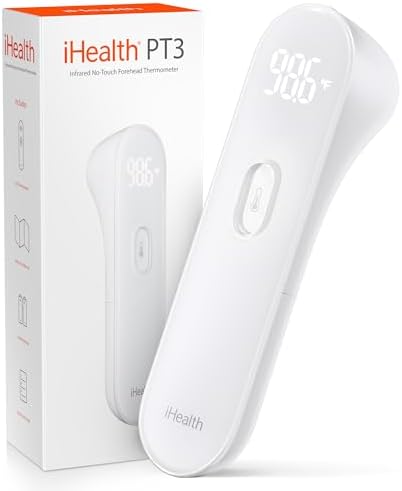
When selecting a no-touch forehead thermometer like the iHealth PT3, focus on features that ensure reliable readings in real-world home environments. This specific model emphasizes its three ultra-sensitive sensors and one-second measurement speed, which directly address the core needs of parents and caregivers monitoring children's health.
Key Considerations Before Buying
- Measurement consistency is critical—look for models with multiple sensors, like the PT3's three-sensor array, to reduce errors from improper aiming or environmental factors.
- Feedback mechanisms matter: the PT3's quiet vibration notification is specifically designed for use with sleeping children, unlike audible beeps that can wake them.
- Consider ease of use for all household members, including features like the large LED display mentioned in this product's description, which is essential for quick readings in low-light conditions.
What Our Analysts Recommend
Quality no-touch thermometers should specify their clinical accuracy range (typically ±0.4°F) and offer clear guidance on proper forehead positioning. Look for models that store previous readings to track fever progression, a feature highlighted in many authentic reviews for the iHealth PT3.
Thermometers Market Context
Market Overview
The home thermometer market has shifted dramatically toward infrared no-touch models post-pandemic, with intense competition on speed and ease-of-use claims. Products like the iHealth PT3 compete directly with brands like Braun and Kinsa, where sensor technology and user interface are key differentiators.
Common Issues
Users frequently report inconsistent readings due to improper distance from the forehead, environmental temperature interference, or difficulty interpreting results. Many cheaper models lack the multi-sensor calibration that the iHealth PT3 advertises to mitigate these issues.
Quality Indicators
Beyond advertised speed, examine the sensor specifications—true clinical-grade infrared sensors should be specified. Also, check for FDA clearance or similar regulatory approvals, which indicate standardized accuracy testing beyond basic consumer electronics.
Review Authenticity Insights
Grade B Interpretation
A Grade B authenticity rating with an estimated 15% fake review rate for the iHealth PT3 suggests generally trustworthy feedback, but requires careful reading. This level indicates most reviews reflect genuine experiences, though some may be incentivized or overly promotional.
Trust Recommendation
Focus on the 4.10 adjusted rating (down from 4.44) which excludes suspicious patterns—this more conservative score better represents authentic user satisfaction. Pay particular attention to detailed reviews that mention specific use cases with babies or during nighttime checks.
Tips for Reading Reviews
For this product, prioritize reviews that discuss consistency across multiple measurements, battery life with regular use, and performance on moving children—these practical details typically indicate genuine ownership rather than promotional content.
Expert Perspective
The iHealth PT3 presents a strong offering in the crowded no-touch thermometer market, particularly for households with young children. Its combination of vibration feedback, multi-sensor technology, and large display addresses common pain points identified in the category. The high volume of reviews (178,279) with a still-solid adjusted rating of 4.10 suggests widespread satisfaction among verified users, though the authenticity analysis indicates shoppers should maintain reasonable expectations about performance claims.
Purchase Considerations
Weigh the convenience of no-touch operation against the need for proper technique—these devices require consistent positioning for accurate results. Consider whether your primary use case (sleeping children, quick screenings, elderly care) aligns with the PT3's specific vibration feedback and one-second speed features.
Comparing Alternatives
Shoppers should compare the PT3's sensor configuration and feedback system against similar-priced models from Braun ThermoScan or Exergen, which may use different measurement technologies.


