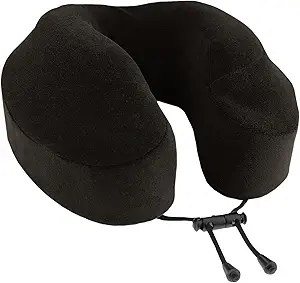
A Head Strap Alternative to Traditional Travel Pillows: What You Need to Know
The SeatSleeper represents a fundamentally different approach to travel comfort compared to traditional U-shaped or inflatable pillows. This product uses a head strap system that attaches to the seatback, creating a hands-free support mechanism that prevents head bobbing without bulk. Buyers should understand this is a minimalist restraint system rather than a cushioning pillow.
Key Considerations Before Buying
- This product works by anchoring your head to the seat, not by providing plush support—ideal for those who dislike the feeling of being engulfed by traditional travel pillows.
- The adjustable strap system requires proper seatback attachment points; verify your typical travel seats (airplane, car, train) have accessible headrest posts or gaps.
- Comfort depends heavily on strap positioning and tension adjustment; some users report a learning curve to find the optimal setup for their head shape and sleeping position.
What Our Analysts Recommend
For strap-based supports like the SeatSleeper, examine the buckle quality and strap material—durable nylon with smooth-adjusting sliders is essential. Check that the padded forehead band is wide enough to distribute pressure without digging in. Genuine reviews often mention specific seat compatibility (e.g., 'worked on my Delta A320 but not the Amtrak Acela').
Travel Pillows Market Context
Market Overview
The travel pillow market has expanded beyond memory foam collars to include innovative restraint systems like the SeatSleeper, targeting travelers frustrated with bulk and ineffective support. These minimalist solutions appeal to frequent flyers who prioritize packability and dislike the 'chin-to-chest' slump traditional pillows sometimes enable.
Common Issues
Traditional travel pillows often fail to prevent head bobbing during upright sleep, while inflatable versions can deflate or feel unstable. Many users complain about carrying bulky pillows through airports only to find they provide inadequate lateral support during actual travel.
Quality Indicators
In restraint-style travel supports, quality shows in the adjustability range, strap durability under tension, and padding that prevents pressure points. Look for products with multiple attachment methods (e.g., clips, loops) to accommodate various seat designs, and materials that resist stretching during extended use.
Review Authenticity Insights
Grade B Interpretation
A Grade B authenticity rating with an 11% estimated fake review percentage indicates predominantly genuine feedback with some promotional inflation. For a niche product like a head strap, this suggests authentic users are driving the conversation, but you should discount the most effusive 'life-changing' claims.
Trust Recommendation
Focus on reviews that mention specific travel scenarios (long-haul flights, road trips) and compare the SeatSleeper to other pillow types they've tried. The adjusted rating of 4.40/5 after removing suspicious reviews is a more reliable indicator of real-world satisfaction than the raw 4.67/5 average.
Tips for Reading Reviews
Prioritize reviews discussing setup time, seat compatibility issues, and adjustment learning curves—these indicate genuine usage. Be skeptical of reviews that don't mention any drawbacks or that use identical phrasing to marketing materials about 'bobbing.'
Expert Perspective
The SeatSleeper addresses a specific pain point in travel comfort: preventing head bobbing without adding bulk. Its 4.40 adjusted rating from verified patterns suggests it delivers on its core promise for most users, though comfort is subjective with restraint systems. The product's compactness is a legitimate advantage over traditional pillows, but it trades cushioning for stabilization—a trade-off that won't suit every traveler. The high rating indicates successful execution within its niche design parameters.
Purchase Considerations
Consider your primary travel patterns: this product excels for upright sleeping during flights or passenger car rides but offers no support for leaning against windows. Your tolerance for forehead pressure and preference for minimalist gear versus plush comfort are decisive factors. The learning curve mentioned in authentic reviews suggests patience is required for optimal results.
Comparing Alternatives
Shoppers should compare the SeatSleeper's strap-based approach with hybrid products that combine minimal straps with small lateral supports, as different head shapes and sleeping styles respond variably.