
Cut the Cord Smartly: A Buyer's Guide to Flat Indoor TV Antennas
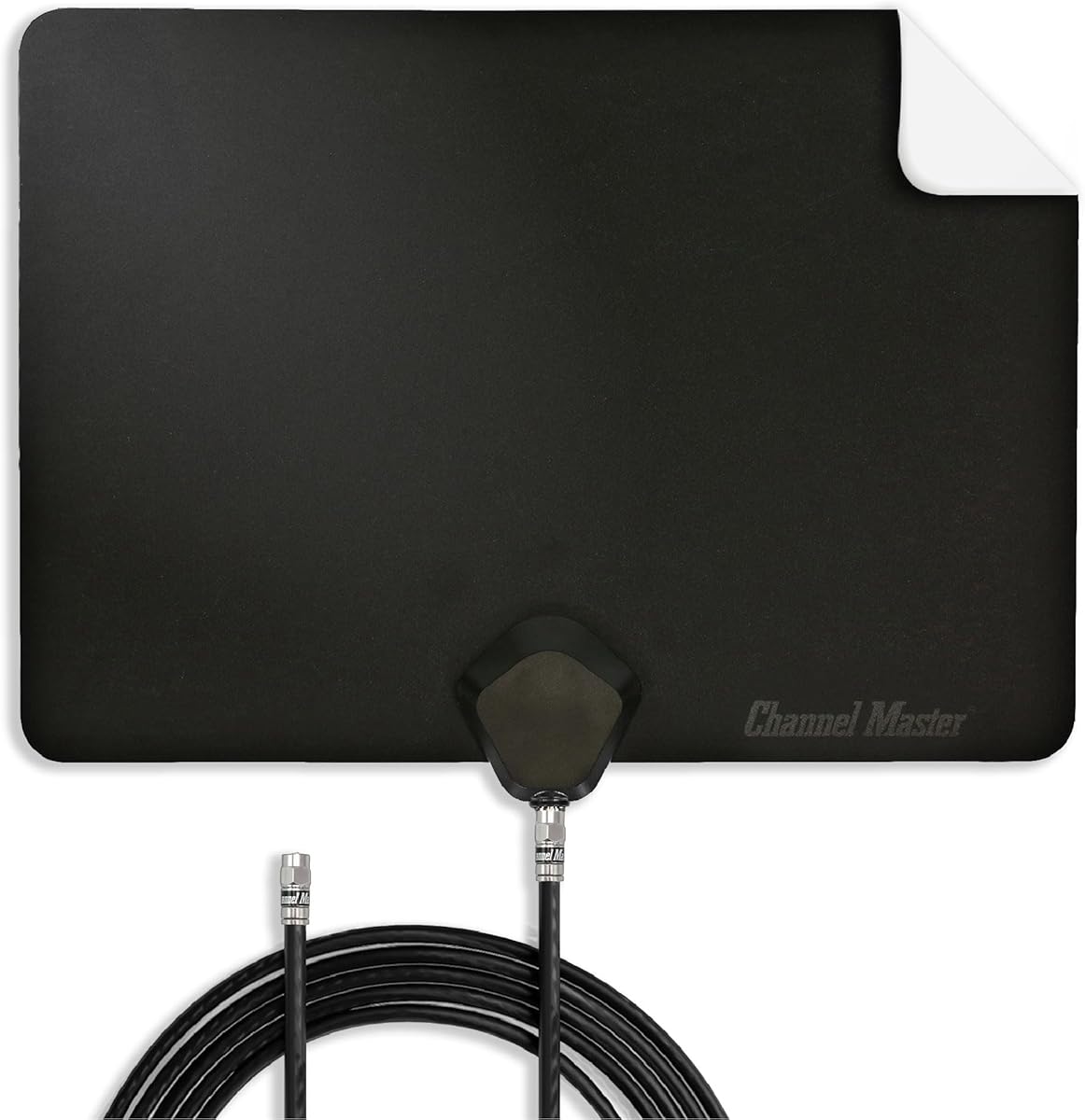
If you're considering the Channel Master FLATenna to cut the cord or supplement your streaming, you're entering the world of over-the-air (OTA) broadcasting. Unlike bulky traditional antennas, this flat, paper-thin model is designed to sit discreetly on a wall or window, pulling in free local channels in stunning HD. But before you buy, understand that indoor antenna performance is highly dependent on your specific location and home construction.
Key Considerations Before Buying
- Check your distance and terrain relative to broadcast towers using sites like RabbitEars.info. The FLATenna is optimized for UHF signals, which most local channels use, but if you're in a fringe area, an amplified or outdoor antenna may be needed.
- Placement is critical: high on a wall near a window facing the towers usually gives the best reception. The 12-foot coaxial cable offers flexibility, but you'll need to test multiple spots to find the sweet spot for your home.
- Consider the number of TVs you want to connect. The FLATenna connects to a single TV via coaxial, so if you have multiple sets, you'll need one per TV or a separate distribution amplifier.
What Our Analysts Recommend
When evaluating indoor antennas, look for a model with a proven track record for VHF and UHF reception, as some channels broadcast on VHF. Also, check the cable length and connector quality—a removable coaxial cable is a plus for easy replacement. Finally, a low-profile design that doesn't obstruct your view is often a priority for aesthetics.
TV Antennas Market Context
Market Overview
The indoor TV antenna market is booming as cord-cutters seek free local news, sports, and network shows. Modern flat antennas like the FLATenna are popular for their sleek design and easy installation, promising 4K and NextGen TV compatibility. However, the market is flooded with cheap imitations and wildly varying performance claims.
Common Issues
The most frequent complaints across indoor antennas revolve around inconsistent reception—channels that work one day and pixelate the next—and the false promise of 'hundreds of miles' range. Many users also struggle with VHF channel pickup, as flat antennas often favor UHF frequencies. Additionally, placement limitations can make it hard to find a spot that works for all desired channels.
Quality Indicators
High-quality indoor antennas are built with solid materials, have a clean signal amplifier (if included) that doesn't overload, and come from reputable brands with good customer support. Look for products with detailed frequency specs and a reasonable return policy. User reviews that mention specific channel numbers and real-world distances are more trustworthy than generic praise.
Review Authenticity Insights
Grade B Interpretation
The Grade B rating and estimated 10% fake review rate indicate that while the vast majority of the 2,059 reviews appear genuine, a small but notable portion may be incentivized or inauthentic. This means the product's true performance likely aligns closely with its 4.67-star average, but you should still read a range of reviews, especially the critical ones, to get a balanced view.
Trust Recommendation
You can generally trust the positive feedback, but pay extra attention to verified purchase reviews and those that discuss specific signal strengths or troubleshooting. Given the 10% fake rate, be wary of overly effusive, vague testimonials. Instead, focus on detailed experiences that mention local channels, weather effects, or installation quirks.
Tips for Reading Reviews
For this type of product, look for reviews that mention the specific channels they receive and their distance from broadcast towers. Also, note whether the reviewer mentions VHF vs. UHF performance, as this can be a deciding factor. Don't be swayed by one or two negative reviews if many others with similar situations report success—placement and geography make a huge difference.
Expert Perspective
The Channel Master FLATenna appears to be a solid performer in the indoor antenna category, with a strong average rating and a review profile that suggests real-world effectiveness. The emphasis on 4K and NextGen TV support is forward-looking, ensuring compatibility with future broadcasts. However, the adjusted rating of 4.40, while still positive, hints that some reviews may be overly generous, so temper your expectations accordingly.
Purchase Considerations
Weigh your specific needs: if you're in a suburban or urban area with good UHF signal coverage, this antenna is likely a reliable choice. But if you're in a rural area or need VHF channels, you may need to look elsewhere or consider an amplified model. Also, factor in the ease of return if it doesn't work in your environment.
Comparing Alternatives
Before settling on the FLATenna, compare it with other top-rated flat antennas like the Mohu Leaf or ClearStream Eclipse, which offer similar form factors and performance. Your choice may ultimately come down to price, cable length, or specific frequency support, so a quick side-by-side check is worthwhile.


