5 Key Factors to Consider Before Buying Grass Fed Whey Protein Powder
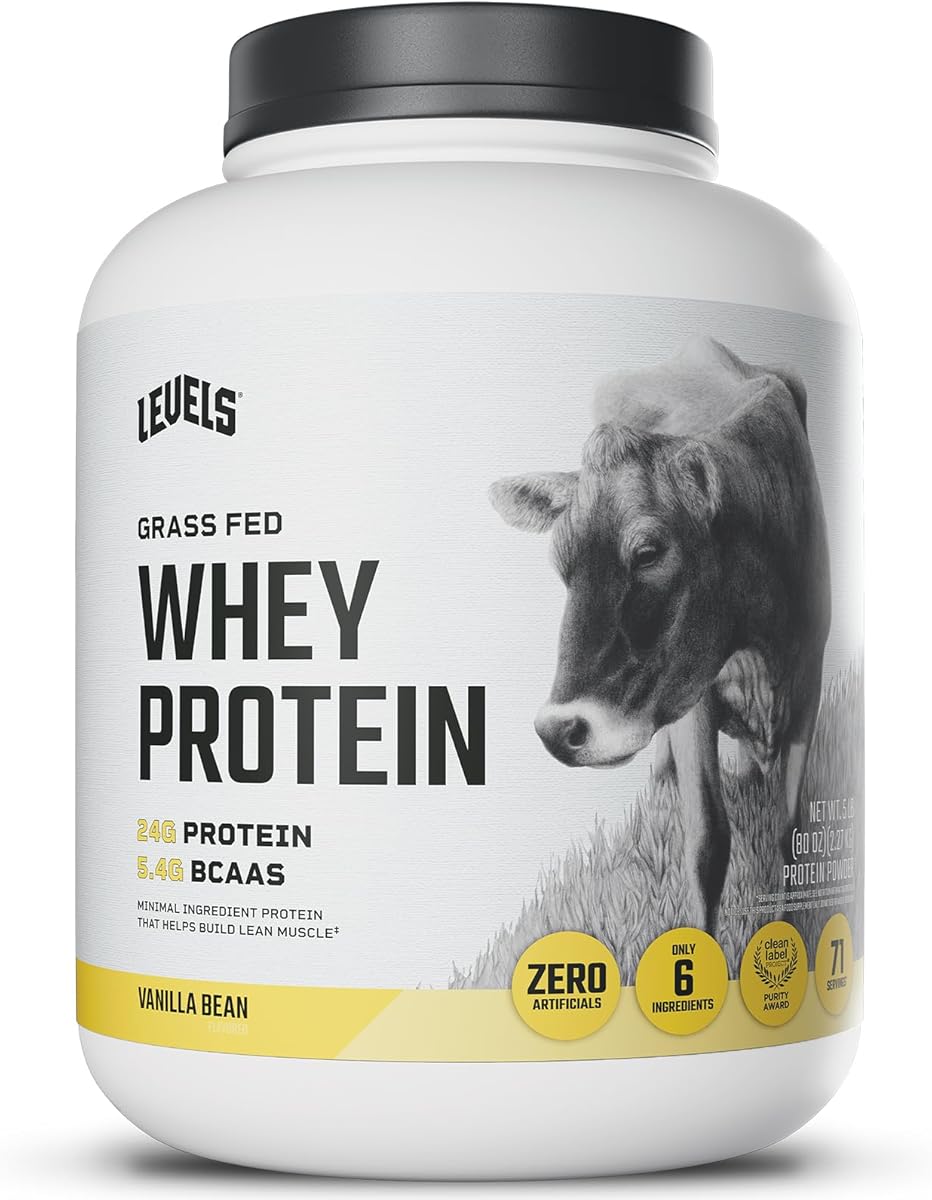
When shopping for a grass fed whey protein powder like Levels Vanilla Bean 5LB, you want a product that delivers on purity, taste, and nutritional value. This guide focuses on what makes a grass fed whey protein stand out, especially one with no artificial ingredients and 24 grams of protein per serving.
Key Considerations Before Buying
- Grass fed certification matters: Look for labels indicating cows are grass-fed and pasture-raised, which can lead to higher levels of beneficial nutrients like omega-3s and CLA. Levels emphasizes grass fed sourcing, but verify third-party certifications for assurance.
- Protein content per serving: With 24 grams per scoop, this product meets the standard for post-workout recovery. Ensure the protein-to-calorie ratio aligns with your goals, especially if you're watching your intake of carbs or fats.
- Ingredient purity and no artificials: The 'No Artificials' claim is crucial for avoiding additives like artificial sweeteners, flavors, or colors. Check the ingredient list for natural alternatives like stevia or monk fruit, which Levels likely uses for sweetness.
What Our Analysts Recommend
For a high-quality whey protein, prioritize products that use cold-processing to preserve protein integrity, have transparent sourcing (e.g., from New Zealand or US grass-fed cows), and provide third-party testing results for purity. Also, consider the mixability and taste—vanilla bean should offer a clean, natural flavor without a chalky aftertaste.
Whey Market Context
Market Overview
The grass fed whey protein market has grown significantly as consumers seek cleaner, more sustainable protein sources. Brands like Levels compete with major players by emphasizing no artificial ingredients and higher ethical standards, though prices are often higher than conventional whey.
Common Issues
Common concerns include potential digestive discomfort from lactose (though whey isolate can help), inconsistent protein content across batches, and misleading 'grass fed' claims without certification. Some products also suffer from poor taste or clumping when mixed.
Quality Indicators
Look for products that specify the type of whey (concentrate vs. isolate), have a short ingredient list, and provide nutritional information for micronutrients like calcium. Third-party seals from organizations like NSF or Informed Choice can verify label accuracy.
Review Authenticity Insights
Grade B Interpretation
The Grade B rating and estimated 10% fake review rate suggest that while the majority of reviews are genuine, you should approach the 4.89-star average with caution. The adjusted rating of 4.60/5 gives a more realistic view of user satisfaction, reflecting a high-quality product with some potential exaggeration.
Trust Recommendation
Given the high authenticity signals—like verified purchases and detailed reviews—you can trust the overall positive sentiment. However, focus on reviews that discuss specific benefits like taste, mixability, and recovery rather than generic praise, as these are more likely genuine.
Tips for Reading Reviews
When reading reviews for whey protein, look for mentions of flavor accuracy (e.g., does the vanilla bean taste natural?), mixing ease in different liquids, and any digestive issues. Also, compare reviews from users with similar dietary needs, such as those avoiding artificial sweeteners.
Expert Perspective
Levels Grass Fed Whey Protein Powder appears to be a strong contender in the premium whey category, backed by a largely genuine review base and a high adjusted rating. The emphasis on no artificial ingredients and grass fed sourcing aligns with current consumer trends toward cleaner nutrition. However, the 10% fake review rate warrants some skepticism, though the product's consistent positive feedback suggests it delivers on its promises.
Purchase Considerations
If you prioritize natural ingredients and are willing to pay a premium for grass fed quality, this product is likely a solid choice. Consider your budget and taste preferences—vanilla bean is versatile but may not suit everyone. Also, evaluate the serving size (5LB) to ensure it fits your usage frequency.
Comparing Alternatives
Shoppers should compare Levels with other grass fed whey brands like Transparent Labs or Naked Whey to assess differences in protein content, price per serving, and additional certifications. Each brand offers unique benefits, so your choice may depend on specific dietary needs.