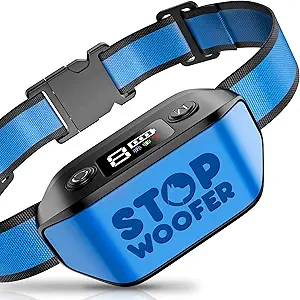
Smart Bark Control: Choosing a Humane, No-Shock Collar
When considering a bark collar like the DogRook Smart Collar, which uses beep and vibration instead of shock, it's essential to understand how these humane methods work for different temperaments. This collar is designed for dogs 12-110 lbs, but effectiveness can vary significantly based on your dog's sensitivity and the specific barking trigger.
Key Considerations Before Buying
- Your dog's size and sensitivity: The DogRook covers a wide weight range (12-110 lbs), but a single vibration intensity may not be equally effective for a Chihuahua and a Labrador. Look for adjustable sensitivity levels to match your dog's temperament.
- Barking triggers vs. training needs: This collar stops nuisance barking but doesn't address the root cause (anxiety, boredom, territorial behavior). It's a management tool, not a substitute for addressing underlying issues.
- Battery life and rechargeability: The DogRook is rechargeable, which is a major convenience. Check the battery life in real-world conditions, as frequent recharging can be a hassle if your dog barks often.
What Our Analysts Recommend
For a no-shock collar, prioritize adjustable vibration levels and a reliable, sensitive bark detection mechanism that won't trigger on other dogs' barks or environmental noises. Look for a comfortable, adjustable strap that fits securely without chafing, and a waterproof or water-resistant design for outdoor use.
Bark Collars Market Context
Market Overview
The bark collar market has shifted significantly toward humane, no-shock options as pet owners seek positive training alternatives. Products like the DogRook, which use beep and vibration, represent a growing segment that balances effectiveness with pet welfare concerns.
Common Issues
Common issues in this category include inconsistent bark detection (triggering on other sounds), collars that are too bulky for small dogs, and vibration levels that are either too weak to deter or too startling. Some collars also have short battery life or poor build quality that leads to breakage.
Quality Indicators
Quality indicators include a robust, adjustable bark sensor, multiple sensitivity levels, a comfortable and durable collar strap, and a long-lasting rechargeable battery. Positive reviews that mention specific dog breeds and behaviors, rather than generic praise, are a strong signal of a reliable product.
Review Authenticity Insights
Grade B Interpretation
With a Grade B and an estimated 15% fake review rate, the DogRook's review profile is generally trustworthy but requires cautious reading. The majority of reviews are authentic, but you should be aware that about 1 in 7 reviews may be fabricated, potentially inflating the overall rating.
Trust Recommendation
Focus on reviews that describe specific dog breeds, barking patterns, and training outcomes, as these are harder to fake. Be skeptical of overly positive reviews that lack detail or use generic language. Cross-reference negative reviews to identify consistent issues like poor battery life or inconsistent detection.
Tips for Reading Reviews
When evaluating bark collars, look for reviews that mention your dog's size and temperament. Pay attention to comments about the collar's fit, the vibration intensity, and whether it effectively stopped nuisance barking without causing distress. Filter for verified purchase reviews to increase reliability.
Expert Perspective
The DogRook Smart Collar offers a humane, no-shock approach to bark control, which is a significant advantage for pet owners seeking gentle training tools. With a 3.89/5 rating from nearly 48,000 reviews, it has broad market acceptance, but the adjusted rating of 3.60/5 and 15% fake review rate suggest some performance inconsistencies. The collar's wide weight range (12-110 lbs) is a selling point, but it may not be equally effective for all sizes, as a single vibration level may not suit both a small and a large dog. Overall, it's a solid mid-range option for owners committed to positive training methods, but it's not a magic solution for all barking issues.
Purchase Considerations
Before buying, assess whether your dog is sensitive to vibration and whether you're willing to supplement the collar with behavioral training. The collar is best for nuisance barking, not for dogs with severe anxiety or compulsive barking. Also, consider the collar's fit and comfort for your dog's specific neck size and fur type.
Comparing Alternatives
Shoppers should compare the DogRook with other no-shock collars that offer more granular sensitivity adjustments or longer battery life. Reading reviews for similar products can help you determine which features matter most for your dog.