
Choosing the Right OBD2 Scanner: Insights for Smart Buyers
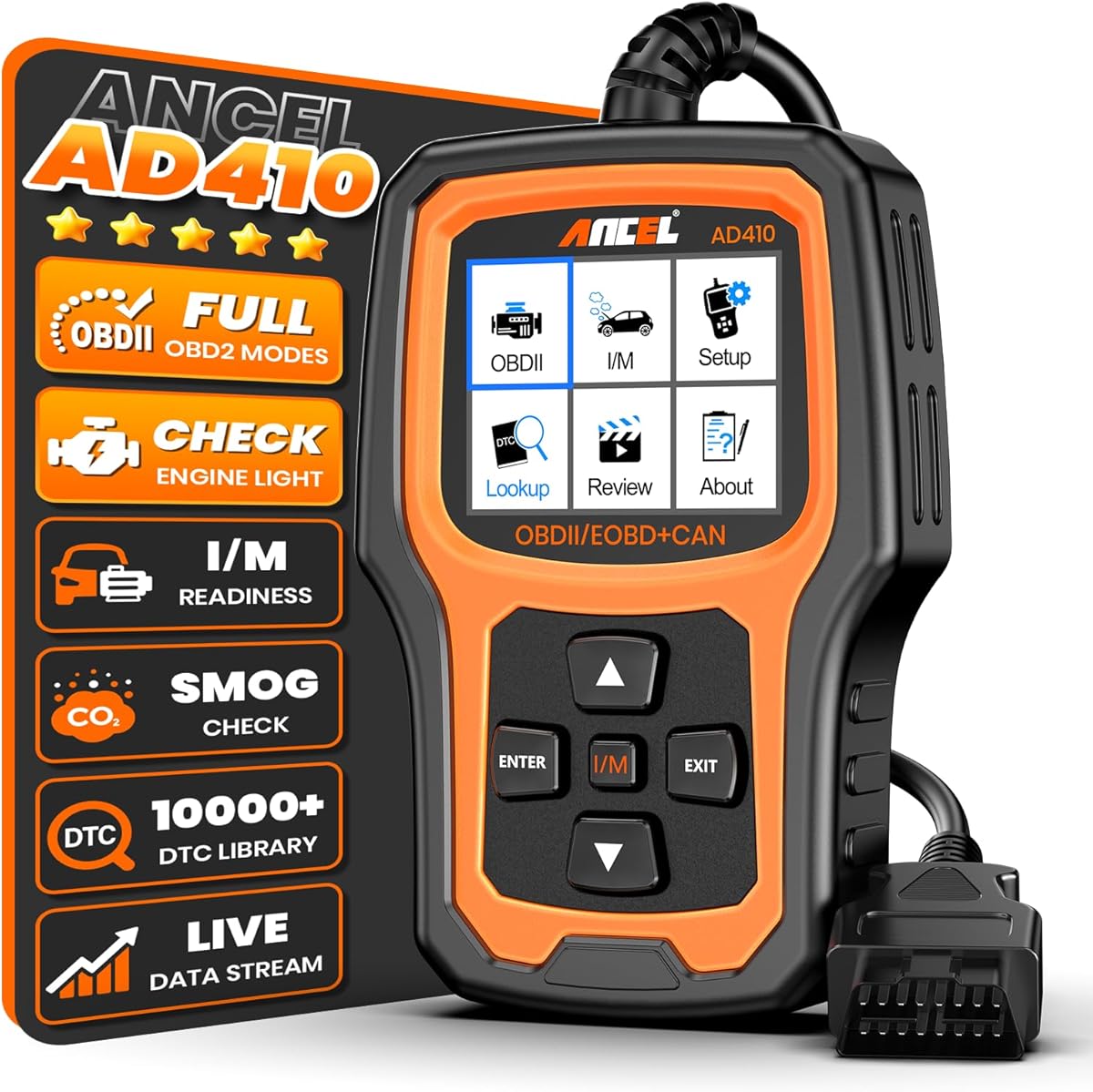
An OBD2 scanner like the ANCEL AD410 Enhanced is a must-have for diagnosing check engine lights, but not all scanners are created equal. This guide breaks down what makes a reliable code reader, focusing on features that matter for DIYers and professionals alike.
Key Considerations Before Buying
- Compatibility: Ensure the scanner supports all OBDII protocols (CAN, J1850, etc.) to work with vehicles from 1996 onward, including domestic, Asian, and European models.
- Ease of use: Look for a clear display, simple navigation, and quick code retrieval. The AD410's one-click I/M readiness check and DTC lookup are valuable for emissions testing.
- Durability and support: A rugged build and responsive customer service are crucial, as scanners often face harsh garage conditions. ANCEL offers a 2-year warranty and lifetime tech support.
What Our Analysts Recommend
Prioritize scanners with a large backlit screen for readability, built-in DTC library for on-screen definitions, and the ability to read live data streams. The AD410's 2.8-inch color screen and multilingual support (English, French, Spanish) cater to a wide audience, while its compact size makes it easy to store in a glovebox.
Code Readers & Scan Tools Market Context
Market Overview
The OBD2 scanner market is booming, driven by increasing vehicle complexity and a growing DIY repair culture. Budget-friendly scanners like the ANCEL AD410 have gained popularity for offering essential diagnostic functions at a fraction of the cost of professional-grade tools.
Common Issues
Many low-cost scanners lack the ability to read advanced codes (e.g., ABS, airbag) or live data, limiting their usefulness. Additionally, some units have poor build quality or outdated firmware, leading to compatibility issues with newer vehicles.
Quality Indicators
A quality OBD2 scanner should have a robust database of generic and manufacturer-specific codes, regular firmware updates, and positive user feedback on accuracy and durability. Certifications like CE and RoHS also indicate adherence to safety and environmental standards.
Review Authenticity Insights
Grade B Interpretation
The B authenticity grade for the ANCEL AD410, with an estimated 10% fake reviews, suggests that while most reviews are genuine, there is a slight risk of inflated ratings. This is common in the budget scanner category, where competition is fierce.
Trust Recommendation
Consumers should focus on detailed reviews that mention specific use cases, such as clearing codes on particular car models. Look for reviews with photos or videos, as these are harder to fake and provide real-world evidence of performance.
Tips for Reading Reviews
When reading reviews, prioritize those that discuss long-term reliability and customer service experiences. Be wary of overly positive reviews with generic praise, and cross-reference with other sources like automotive forums for unbiased insights.
Expert Perspective
The ANCEL AD410 Enhanced OBD2 Scanner is a solid entry-level diagnostic tool, boasting a 4.67-star rating from over 15,000 reviews. Its adjusted rating of 4.40/5, after accounting for potential fakes, still indicates high customer satisfaction. It excels at basic code reading and emissions checks, making it ideal for DIYers and casual users.
Purchase Considerations
Consider your needs: if you require advanced diagnostics like ABS or airbag codes, you may need a more expensive scanner. However, for check engine light diagnosis and pre-emissions testing, the AD410 offers excellent value. Its plug-and-play design and lifetime update support add to its appeal.
Comparing Alternatives
Shoppers should compare the AD410 with similar models from brands like Autel and BlueDriver, which may offer additional features like Bluetooth connectivity or app integration at a higher price point.


