Choose the Right Elbow Brace: Pair vs. Single for Tendonitis Relief
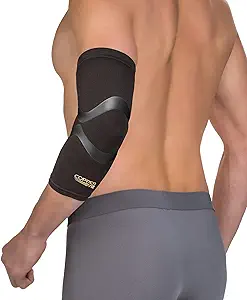
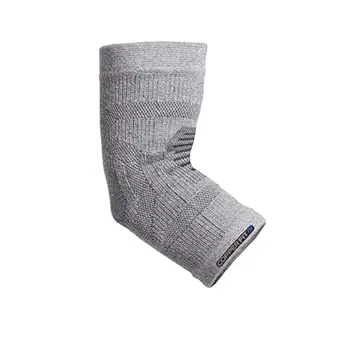
When dealing with conditions like tennis elbow, golfer's elbow, or general tendonitis, a compression sleeve can provide targeted support and pain relief. This particular product offers a pair of sleeves, which is a key differentiator for those needing bilateral support or wanting to alternate between uses. Understanding the specific compression level, material breathability, and intended activity is crucial for effective relief.
Key Considerations Before Buying
- Compression level: Look for a sleeve that provides firm but not restrictive compression. For daily wear or weightlifting, a moderate compression (15-20 mmHg) is often ideal, while higher compression (20-30 mmHg) may be better for acute pain or post-activity recovery.
- Material and breathability: Sleeves made from neoprene or a blend with moisture-wicking fabric are best for active use, as they prevent sweat buildup and skin irritation. Avoid materials that cause itching or chafing, especially during extended wear.
- Size and fit: Ensure the sleeve fits snugly without cutting off circulation. Measure your forearm circumference at the widest point and compare to the manufacturer's sizing chart. A poorly fitting sleeve can cause discomfort or reduce effectiveness.
What Our Analysts Recommend
Quality indicators include double-stitched seams for durability, non-slip silicone grippers at the top and bottom to prevent the sleeve from rolling down, and a contoured design that accommodates the elbow's natural shape. Also, check for certifications like FDA registration or CE marking, which indicate the product meets safety standards.
Elbow Braces Market Context
Market Overview
The elbow brace market has expanded significantly with the rise of home fitness and remote work, leading to increased demand for affordable, ergonomic supports. Many products now claim to treat everything from arthritis to weightlifting strain, but quality varies widely. This product sits in the mid-range price point, competing with both budget sleeves and premium medical-grade braces.
Common Issues
Common problems include sleeves that lose elasticity after a few washes, inadequate compression for severe conditions, and sizing inconsistencies that lead to poor fit. Some users also report skin irritation from synthetic materials, especially during hot weather or prolonged use. Additionally, many braces marketed as 'universal' fail to accommodate different arm shapes.
Quality Indicators
Look for detailed sizing guides with multiple measurements (e.g., forearm and bicep circumference), clear material composition labels, and user reviews that mention long-term durability. Products with a high percentage of verified purchases and reviews describing specific use cases (e.g., 'used during deadlifts' or 'worn overnight for tendinitis') are more trustworthy.
Review Authenticity Insights
Grade B Interpretation
A Grade B with an estimated 10% fake review rate suggests that while most reviews (around 90%) are likely genuine, a notable minority may be incentivized or fabricated. This is common for high-volume products in this category, but it means you should focus on reviews that provide detailed, personal experiences rather than short, overly positive ones.
Trust Recommendation
Given the 4.11 average rating and the moderate fake review percentage, you can generally trust the product's performance for basic compression needs, but be cautious about claims of miraculous pain relief. Cross-reference the most helpful reviews with those from verified purchases, and pay attention to any consistent complaints about sizing or durability.
Tips for Reading Reviews
For elbow braces, prioritize reviews from users who mention specific activities (e.g., weightlifting, typing, or sports) and those who describe their condition (e.g., 'chronic tennis elbow' or 'post-surgery recovery'). Look for balanced reviews that mention both pros and cons, and avoid reviews with overly generic language or excessive exclamation points.
Expert Perspective
This elbow brace pair offers a practical solution for users needing bilateral support or wanting a backup sleeve, which is a distinct advantage over single-sleeve options. The moderate 4.11 rating and Grade B authenticity suggest it performs adequately for most users, particularly for mild to moderate tendonitis or gym recovery. However, the 10% fake review rate and 3.90 adjusted rating indicate that some claims may be overstated, so it's best suited for those seeking general compression rather than severe medical support.
Purchase Considerations
Weigh the cost of this pair against your specific needs: if you only have pain in one elbow, a single sleeve might be more cost-effective. Also consider your activity level—this sleeve may be sufficient for casual weightlifting or daily wear, but for intense sports or chronic conditions, a brace with a gel pad or adjustable strap might offer better targeted relief.
Comparing Alternatives
Shoppers should compare this product with single-sleeve options that offer adjustable straps for customizable compression, as well as braces with integrated gel pads designed specifically for tennis or golfer's elbow.