Evaluating Black Seed Oil Softgels: Potency, Purity, and Processing Methods
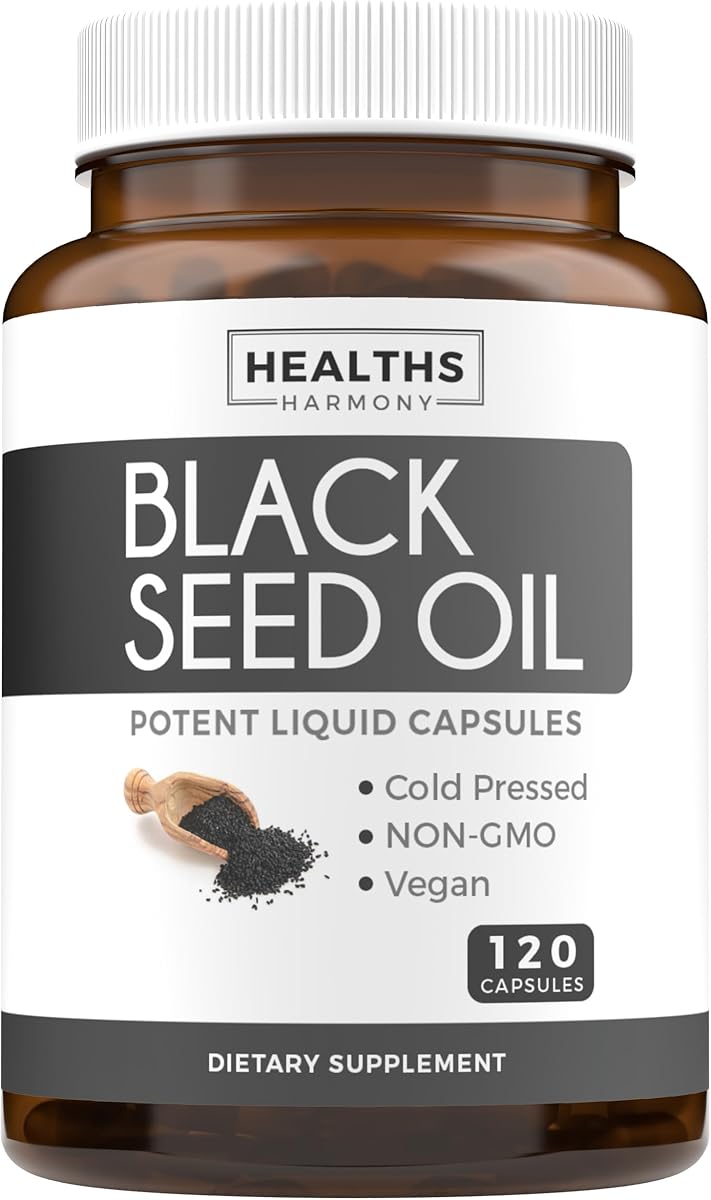
When considering this specific 120-count softgel formula, buyers should focus on its dual-potency claim of 500mg per capsule and 1000mg per serving. The cold-pressed Nigella Sativa extraction method and added Vitamin E for stabilization are key differentiators from standard black cumin seed oils. Understanding the relationship between softgel delivery and bioavailability is crucial for this particular supplement format.
Key Considerations Before Buying
- The 1000mg serving size (two capsules) aligns with clinical research on black seed oil efficacy, but requires verifying thymoquinone concentration, which isn't specified in the product title.
- Softgel encapsulation may mask the oil's pungent taste but could affect absorption rates compared to liquid forms, making serving consistency important.
- The Non-GMO and Vegan claims address specific consumer preferences but don't guarantee organic certification or third-party purity testing.
What Our Analysts Recommend
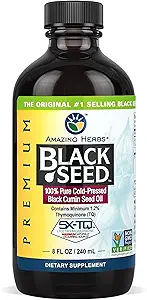
Quality indicators for this product type include cold-pressed extraction (preserving heat-sensitive compounds), dark packaging (preventing light degradation of thymoquinone), and transparent sourcing of Nigella Sativa seeds. The addition of Vitamin E as a natural preservative is a positive sign of formulation consideration for oil stability.
Black Seed Oil Market Context
Market Overview
The black seed oil supplement market has expanded rapidly, with softgels becoming increasingly popular for convenience despite typically higher cost-per-milligram than liquid forms. Products making specific skin health claims, like this one, represent a growing segment targeting cosmetic benefits alongside traditional wellness applications.
Common Issues
Inconsistent thymoquinone levels (the primary active compound) plague the category, with many products not disclosing concentrations. Softgel formulations sometimes use lower-quality oils or fillers, and 'cold-pressed' claims aren't uniformly regulated, leading to processing variations that affect potency.
Quality Indicators
Superior products provide third-party Certificates of Analysis verifying thymoquinone percentage (typically 0.5-2.5%), use nitrogen-flushed packaging to prevent oxidation, and specify seed origin (Egyptian and Ethiopian varieties often have higher active compounds). Transparent companies disclose their extraction pressure and temperature ranges.
Review Authenticity Insights
Grade B Interpretation
The Grade B authenticity rating with 15% estimated fake reviews suggests generally reliable feedback but warrants careful scrutiny. The 0.33-point drop from the displayed 4.53 to adjusted 4.20 rating indicates some review inflation, though the majority of experiences appear genuine.
Trust Recommendation
Focus on verified purchase reviews discussing specific outcomes like skin hydration changes or digestive effects over several weeks. Be particularly skeptical of reviews making dramatic medical claims, as black seed oil is a supplement, not a medication.
Tips for Reading Reviews
Prioritize reviews mentioning the softgel size, ease of swallowing, or absence of the characteristic bitter aftertaste. Look for patterns in skin-related feedback, as this product specifically markets skin health benefits, and note any mentions of capsule integrity or shelf life.
Expert Perspective
This product's formulation shows thoughtful design with cold-pressed extraction and Vitamin E addition, addressing common oxidation issues in black seed oil supplements. The 120-count size at 1000mg serving provides a standard two-month supply at typical dosing, offering reasonable value if potency claims hold. The significant review volume (over 53,000) with maintained 4.2+ adjusted rating suggests consistent user satisfaction, though the authenticity analysis indicates some review manipulation exists within the feedback pool.
Purchase Considerations
Weigh the convenience of softgels against potentially higher cost compared to liquid equivalents, and consider whether the skin health focus aligns with your primary usage goals. The vegan certification matters if avoiding bovine gelatin capsules is important, but doesn't address potential allergens in the oil itself.
Comparing Alternatives
Compare thymoquinone concentration disclosures, serving costs, and extraction methodologies with similar cold-pressed softgel options before deciding.