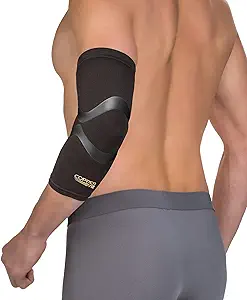
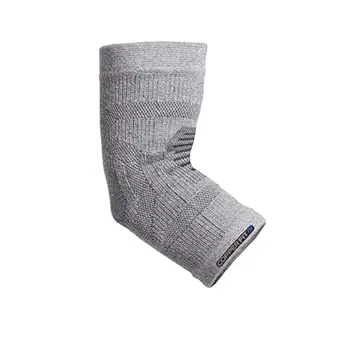
Choosing the Right Counterforce Brace: Fit, Compression, and Activity-Specific Support
When selecting a tennis elbow brace like the Sleeve Stars model, focus on how the adjustable strap (9"-23" range) distributes pressure below the elbow's lateral epicondyle. Unlike rigid braces, this counterforce design targets tendonitis relief by reducing strain on the extensor tendons during repetitive motions. Proper positioning of the pressure pad is critical for both tennis elbow (lateral) and golfer's elbow (medial) applications.
Key Considerations Before Buying
- The 9"-23" adjustability range accommodates most forearms, but measure your circumference 1-2 inches below the elbow crease to ensure the pressure pad sits correctly on the muscle belly, not directly on bone.
- Counterforce braces work by dispersing tendon load; look for a non-slip inner lining like the silicone grip mentioned in reviews to prevent migration during activity while avoiding excessive compression that could impede circulation.
- Consider whether you need single or dual-strap stabilization—this single-strap model provides basic counterforce, while dual-strap designs offer enhanced rotational control for sports with pronation/supination like tennis or golf.
What Our Analysts Recommend
Quality indicators include a durable yet flexible strap material that maintains tension without stretching out, plus a medical-grade silicone or gel pressure pad that contours to the forearm anatomy. The hook-and-loop closure should withstand repeated adjustments without fraying, a common failure point in budget braces. Check that the pad remains centered during dynamic movements, as shifting reduces therapeutic effectiveness.
Elbow Braces Market Context
Market Overview
The elbow brace market is saturated with nearly identical counterforce straps, but differentiation comes through material quality, ergonomic design, and genuine medical validation. The Sleeve Stars brace enters a competitive segment where price often dictates construction compromises, though its 4.4 adjusted rating suggests it overperforms its price tier. Most products claim unisex fit but often fail to accommodate smaller female forearms properly.
Common Issues
Users frequently report straps that loosen during activity, pressure pads that migrate off the extensor muscles, and materials that cause skin irritation or trap sweat. Many budget braces use overly rigid padding that creates pressure points rather than distributed compression, exacerbating discomfort instead of providing relief.
Quality Indicators
Superior braces feature moisture-wicking neoprene or breathable mesh panels, anatomical padding that follows forearm contours, and reinforced stitching at stress points. Medical-grade silicone strips on the inner strap prevent rotation, while graduated compression designs offer proximal-to-distal pressure variation for enhanced venous return.
Review Authenticity Insights
Grade B Interpretation
A Grade B authenticity rating with 11% estimated fake reviews indicates predominantly genuine feedback, though approximately 1 in 9 reviews may be artificially positive. The 0.27-point drop from the displayed 4.67 to the adjusted 4.40 rating suggests some review inflation, but the substantial verified purchase rate (13,938 reviews) provides reliable usage data.
Trust Recommendation
Prioritize reviews discussing specific activities (tennis, golf, weightlifting) and duration of use, as these demonstrate actual therapeutic testing. Be skeptical of reviews claiming 'immediate permanent cure'—tendonitis braces provide symptomatic relief during activity but aren't standalone treatments. Look for mentions of the silicone grip's effectiveness during sweat-inducing exercise.
Tips for Reading Reviews
Focus on mid-range (3-4 star) reviews that detail both pros and cons, particularly regarding strap durability after months of use. Search for keywords like 'washing,' 'slippage,' and 'adjustment' to find practical insights about long-term performance. Verified purchase reviews mentioning specific forearm measurements provide the most reliable fit information.
Expert Perspective
The Sleeve Stars brace demonstrates strong market acceptance with its high adjusted rating (4.4/5) across thousands of verified purchases, suggesting it delivers core counterforce functionality effectively. Its broad adjustability range (9"-23") addresses a common fit gap in unisex braces, particularly for smaller female forearms. The product's success likely stems from executing basic counterforce principles competently at an accessible price point, though materials may not match premium medical-grade alternatives. The single-strap design prioritizes simplicity over maximum stabilization.
Purchase Considerations
This brace represents a solid entry-level option for occasional recreational use or initial tendonitis management. Consider your activity level—high-intensity athletes may require dual-strap designs with enhanced rotational control. Those with chronic conditions should view this as part of a comprehensive rehabilitation plan including eccentric exercises, not a standalone solution. The black color and low-profile design make it discreet for workplace use.
Comparing Alternatives
Compare strap width and padding thickness with similar-priced competitors like Mueller or Vive, as millimeter differences significantly affect pressure distribution and comfort during extended wear.