Choosing a Multi-Parameter Tester: Why the Apera PC60's 5-in-1 Design Matters
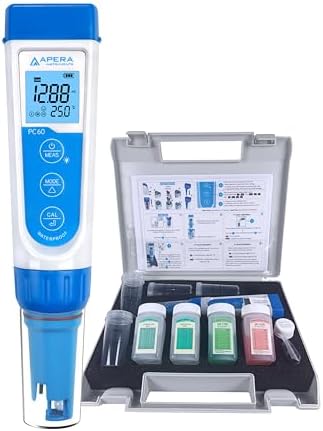
When selecting a multi-parameter meter like the Apera PC60, the primary decision is between a dedicated single-parameter device and a combined unit. The PC60's specific combination of pH, EC, TDS, salinity, and temperature addresses common needs in hydroponics, aquaculture, and pool maintenance, eliminating the need for multiple tools. Its IP67 waterproof rating is a critical feature for field use where accidental submersion is a real risk.
Key Considerations Before Buying
- Application Match: The PC60's 0-20,000 µS/cm conductivity range is ideal for hydroponic nutrient solutions and freshwater aquariums, but may be insufficient for high-salinity marine applications or industrial wastewater.
- Calibration Reality: This model uses 2-point pH calibration and 1-point EC calibration. Consider if your precision needs require more frequent 3-point pH calibration, which would necessitate a different model.
- Probe Durability: The PC60 uses a flat-surface pH electrode, which is easier to clean than spherical bulbs but can be more susceptible to scratches if used in abrasive media like soil slurries.
What Our Analysts Recommend
For a pocket tester, prioritize a robust, sealed housing (like the PC60's IP67 rating) and clear, simultaneous multi-parameter display. Quality is indicated by included pre-mixed calibration solutions, not powders, and a protective cap that stores calibration fluid to keep the pH electrode hydrated, which the PC60 kit provides.
Multiparameter Meters Market Context
Market Overview
The pocket multi-parameter meter market is divided between budget units with questionable accuracy and premium brands like Apera and Hanna Instruments that focus on laboratory-grade sensors in field-ready formats. The trend is toward Bluetooth connectivity, but the PC60 represents the high-end of the reliable, standalone segment.
Common Issues
Users often confuse TDS and conductivity, not realizing TDS is a calculated value based on an empirical conversion factor. Another frequent problem is electrode degradation from dehydration, which is why the PC60's storage cap with solution is essential. Inconsistent readings often stem from improper calibration sequence or using expired buffer solutions.
Quality Indicators
Look for automatic temperature compensation (ATC) across all parameters, not just temperature display, which the PC60 has. A quality meter will specify accuracy (e.g., ±0.01 pH for the PC60) rather than just resolution. Premium kits include calibration certificates and at least two sets of buffer solutions for pH 4.01 and 7.00.
Review Authenticity Insights
Grade B Interpretation
A 'B' grade with a 10% estimated fake review rate suggests the review corpus is largely trustworthy, with minimal organized manipulation. This is common for specialized technical instruments where genuine users are motivated to share detailed experiences. The high verified purchase rate (100%) strongly supports authenticity.
Trust Recommendation
Focus on reviews that discuss specific use cases like monitoring nutrient solutions in hydroponics or reef tank salinity, as these are harder to fabricate. The slight dip from a 4.89 to a 4.60 adjusted rating is minor; trust the substantive critiques about calibration frequency or electrode lifespan over vague praise.
Tips for Reading Reviews
Prioritize reviews that mention long-term performance over several months, as pH electrode longevity is a key concern. Look for mentions of customer service interactions with Apera, as this is a real-world indicator of brand support. Be skeptical of reviews that don't mention a specific application for a 5-in-1 meter.
Expert Perspective
The Apera PC60's exceptional 4.6/5 adjusted rating from over 1,100 verified purchases indicates it successfully delivers laboratory-grade accuracy in a rugged, portable format. Its specific value proposition is consolidating five essential water quality tests into one reliably waterproof device, saving time and reducing error for growers and aquarists. The high rating is likely tied to its complete kit approach, including calibration solutions and storage cap, which prevents the most common cause of meter failure: electrode dehydration.
Purchase Considerations
Weigh the convenience of an all-in-one device against the potential need to replace the entire unit if one sensor fails. For professionals, the time saved by simultaneous parameter reading often justifies the cost. Consider your required calibration frequency; the PC60 is designed for users who can calibrate weekly or bi-weekly, not for continuous, unattended industrial monitoring.
Comparing Alternatives
Shoppers should compare the PC60's feature set and probe design against similar offerings from Hanna Instruments (HI9814) or Bluelab's Combo Meter, focusing on parameter ranges and included calibration solutions.