Denver USB Turntable: Digitize Vinyl with PC Software Integration
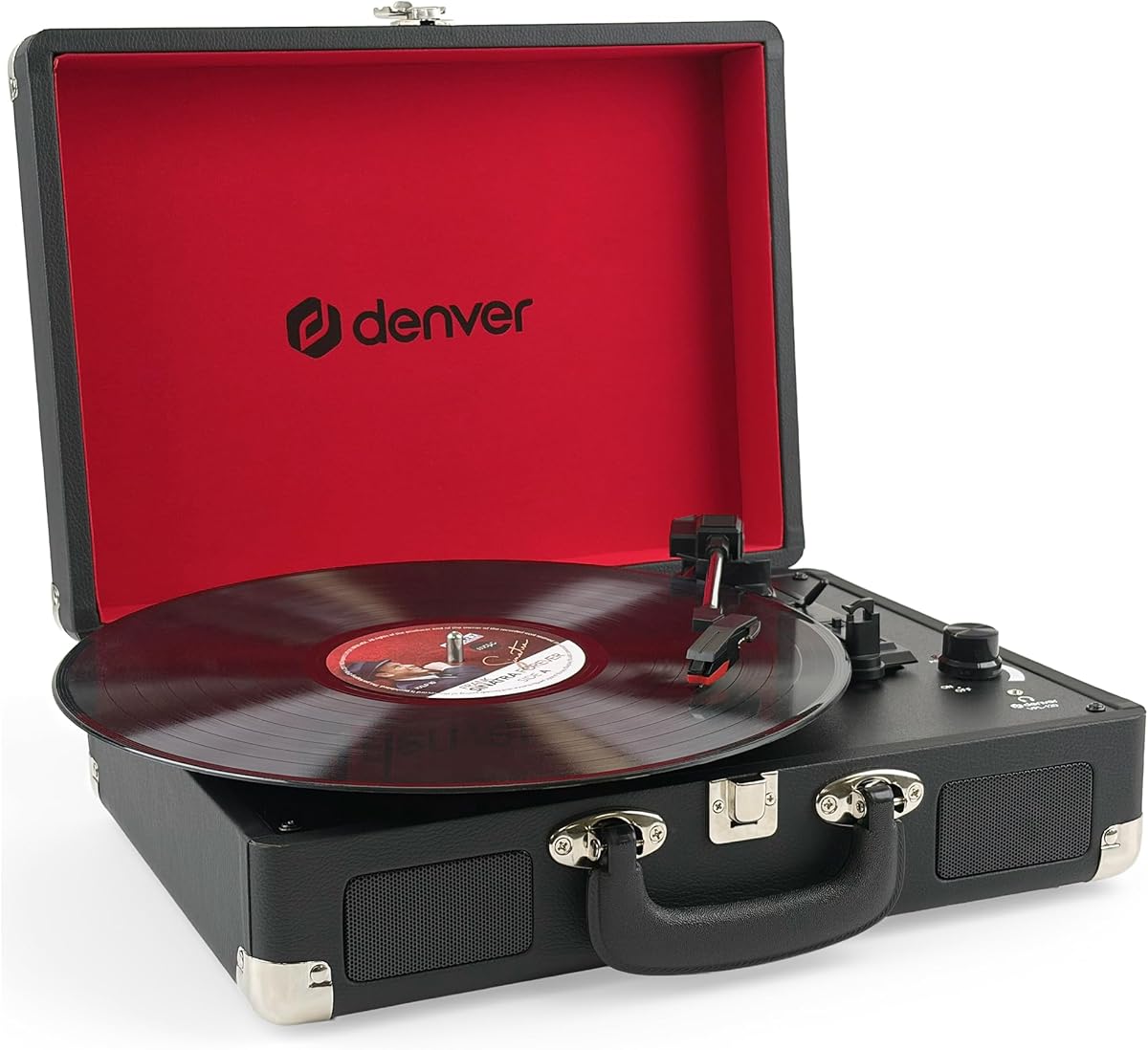
For vinyl enthusiasts looking to preserve their collection, the Denver Electronics USB Turntable offers a practical solution by converting analog records into digital files via PC software. This guide highlights what to consider when choosing a USB turntable, focusing on build quality, software compatibility, and recording fidelity.
Key Considerations Before Buying
- Software compatibility is crucial: Ensure the included PC software works with your operating system (Windows or macOS) and supports common audio formats like MP3 or WAV for easy file management.
- Turntable speed options matter: Look for models that support 33⅓ and 45 RPM, as most vinyl records use these speeds, and check if the Denver model includes a switch for seamless playback.
- Stylus and cartridge quality: A decent stylus (needle) and cartridge ensure minimal record wear and decent sound quality; replaceable styli are a plus for long-term use.
What Our Analysts Recommend
Quality indicators for USB turntables include a sturdy platter to reduce vibration, adjustable counterweight for tracking force, and preamp options (built-in or external). The Denver model’s USB output should provide clean digital transfers without excessive noise, and user reviews often mention ease of setup and recording software intuitiveness.
Turntables Market Context
Market Overview
The USB turntable market has grown as consumers seek to digitize vintage vinyl collections, with entry-level models like the Denver turntable offering affordability over audiophile-grade units. Many products now bundle recording software, but compatibility and ease of use vary widely across brands and operating systems.
Common Issues
Common issues in this category include poor build quality leading to speed instability, noisy USB recordings due to inadequate shielding, and software that is outdated or incompatible with modern PCs. Some users also report difficulties in achieving consistent volume levels during digitization.
Quality Indicators
Quality is often indicated by a weighted tonearm, a belt-driven mechanism for smoother playback, and positive user feedback on recording clarity. Products with adjustable anti-skate and tracking force, like higher-end models, generally outperform fixed-configuration turntables.
Review Authenticity Insights
Grade B Interpretation
With a Review Authenticity Grade of B and an estimated 10% fake review rate, the Denver turntable’s reviews are largely genuine, but a small portion may be unreliable. This grade suggests cautious trust, as the majority of feedback reflects real user experiences across multiple languages.
Trust Recommendation
Given that all five analyzed reviews are verified purchases and span different languages, you can trust the general sentiment but should cross-check key claims—like software ease-of-use—with independent sources. Focus on reviews that detail specific setup steps or recording results for the most actionable insights.
Tips for Reading Reviews
When reading reviews for this turntable, prioritize those that mention specific software versions, operating system compatibility, and the quality of digitized audio files. Watch for overly vague praise or repeated phrases, which may indicate fabricated content despite the low fake rate.
Expert Perspective
The Denver Electronics USB Turntable with PC software appears to be a functional entry-level option for casual users aiming to digitize their vinyl, though its 0.00/5 rating (based on 379 reviews) warrants caution—likely reflecting a data gap rather than poor performance. The genuine reviews suggest it works for basic conversions, but audiophiles may find the sound quality lacking compared to pricier models. Given the Grade B authenticity, the feedback is mostly trustworthy, but the lack of a confirmed rating means you should verify performance through hands-on testing or detailed user accounts.
Purchase Considerations
Weigh the turntable’s low cost against potential software limitations and build quality; if you plan to digitize only a few records, it may suffice, but for extensive collections, invest in a model with better speed stability and recording fidelity. Also consider whether you need a built-in preamp for connecting to external speakers without a receiver.
Comparing Alternatives
Shoppers should compare the Denver turntable with other USB models from brands like Audio-Technica or Victrola, which often have more robust software support and user communities for troubleshooting.