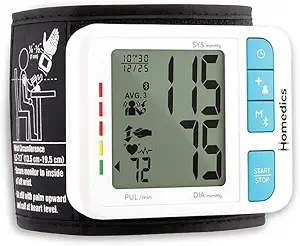
Wrist Blood Pressure Monitors: What to Know Before You Buy
The A&D Medical UB-543 is a wrist-style blood pressure monitor designed for home use, with a cuff that fits wrists from 5.3 to 8.5 inches. Unlike upper-arm monitors, wrist models are compact and portable, but they require careful positioning to ensure accurate readings. Understanding the trade-offs will help you decide if this model suits your needs.
Key Considerations Before Buying
- Cuff size and fit: The UB-543's cuff fits wrists 5.3–8.5 inches, which covers most adults but may not fit very large or very small wrists. A proper fit is critical for accuracy, so measure your wrist circumference before purchasing.
- Positioning and technique: Wrist monitors are highly sensitive to body position. You must hold the device at heart level during measurement, and any deviation can cause errors. This makes them less forgiving than upper-arm models for users with limited mobility.
- Validation and accuracy: Not all wrist monitors are clinically validated. The UB-543 lacks prominent validation stamps from organizations like the AAMI or ESH, so its accuracy may vary. Look for devices with published validation studies if precision is your top priority.
What Our Analysts Recommend
When choosing a wrist blood pressure monitor, prioritize models with clear instructions for proper positioning and a cuff that fits your wrist size. Check for clinical validation and features like irregular heartbeat detection. A memory function with multiple user profiles is also useful for tracking readings over time.
Wrist Monitors Market Context
Market Overview
The home blood pressure monitor market is growing as more people manage hypertension remotely. Wrist monitors are popular for their portability, but they represent a smaller share than upper-arm models due to accuracy concerns. Recent technological advances have improved wrist monitor reliability, though they still lag behind arm monitors in clinical settings.
Common Issues
Common complaints about wrist monitors include inconsistent readings, sensitivity to movement, and difficulty maintaining heart-level positioning. Some users also find the cuff uncomfortable or too tight. Additionally, cheaper models may lack validation, leading to unreliable data.
Quality Indicators
Quality wrist monitors typically feature clinically validated accuracy, a comfortable and adjustable cuff, and clear instructions for proper use. Look for brands with a reputation for medical-grade devices and features like averaging multiple readings. A warranty and responsive customer support are also good signs.
Review Authenticity Insights
Grade B Interpretation
The authenticity grade of B indicates that most reviews for the A&D UB-543 are genuine, with an estimated 10% fake reviews. This is a relatively low percentage, suggesting that the overall sentiment is trustworthy, but you should still be cautious of outliers.
Trust Recommendation
Given the B grade, you can generally trust the reviews, but pay attention to patterns. Verified purchase reviews with detailed pros and cons are more reliable. Be skeptical of reviews that are overly positive or negative without specifics.
Tips for Reading Reviews
Focus on reviews that mention specific use cases, such as comparing readings to a doctor's office or discussing ease of use. Look for consistency across multiple reviews regarding accuracy and durability. Ignore generic praise or complaints that lack context.
Expert Perspective
The A&D Medical UB-543 offers the convenience of wrist monitoring at an affordable price, but its average rating of 3.89 (adjusted 3.70) suggests mixed user experiences. While many find it easy to use and portable, others report accuracy issues, which is a common challenge for wrist monitors. The low fake review percentage means the ratings are largely authentic, so the concerns are real.
Purchase Considerations
Before buying, consider your need for portability versus accuracy. If you have dexterity issues or need frequent readings on the go, a wrist monitor like the UB-543 could work, but you must be diligent about positioning. If you require clinical-grade accuracy, an upper-arm monitor may be a better choice.
Comparing Alternatives
Compare the UB-543 with other wrist monitors from brands like Omron or Withings, and also consider upper-arm models if accuracy is paramount. Reading expert reviews and validation reports can help you make an informed decision.