
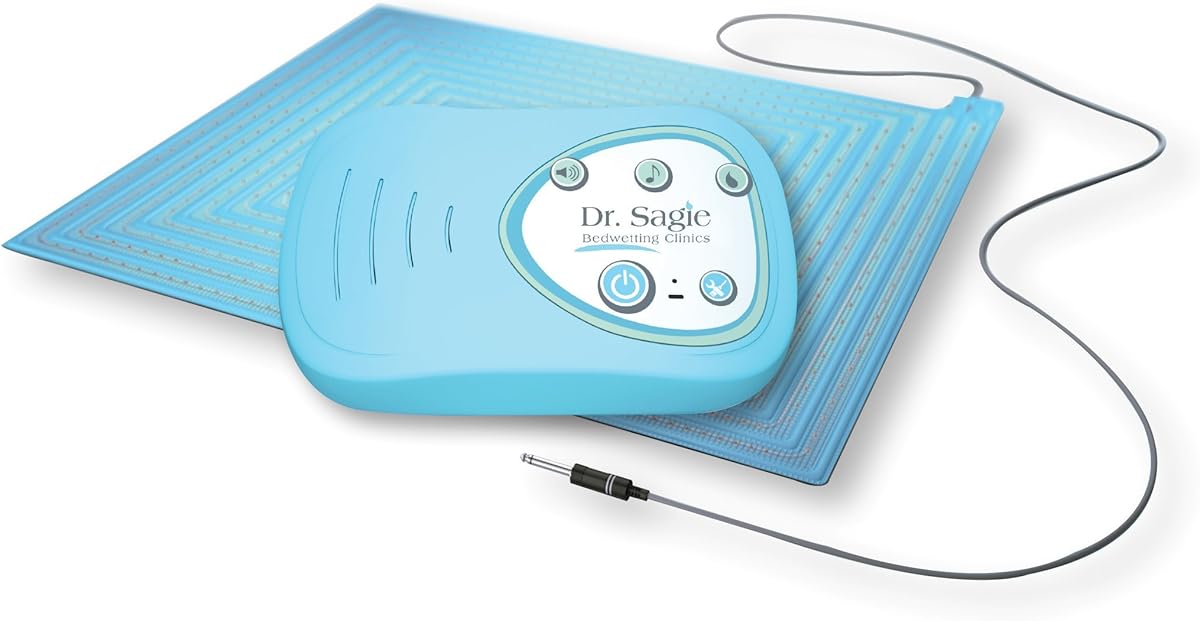
Choosing a No-Wear Bedwetting Alarm System That Actually Works for Your Child
When evaluating bedwetting alarm systems like this TheraPee model with a no-wear sensor, parents should understand this represents a behavioral therapy approach rather than a simple moisture detector. The integrated online program component is crucial—this system combines physical technology with structured training protocols that require consistent parental involvement over 6-8 weeks.
Key Considerations Before Buying
- The no-wear sensor design eliminates discomfort but requires precise placement under the fitted sheet—measure your mattress thickness to ensure compatibility with the sensor's detection range.
- This system's effectiveness depends heavily on the accompanying online program's structure; look for progressive training phases, detailed logging tools, and responsive support resources.
- Consider your child's sleep patterns and sensitivity—the alarm uses both sound and vibration, which some children find startling initially but most adapt to within the first week of use.
What Our Analysts Recommend
Quality bedwetting alarm systems should offer sensor technology sensitive enough to detect first drops of moisture, not just full wetness. The best programs include detailed progress tracking and evidence-based training methodologies, not just alarm functionality. Look for systems that provide clear protocols for handling setbacks and adjusting approaches based on individual response patterns.
Market Context
Market Overview
The bedwetting alarm market has evolved from basic wearable buzzers to integrated systems combining sensor technology with behavioral coaching programs. Current offerings range from $50 disposable sensors to $200+ comprehensive systems like this TheraPee model that include ongoing digital support and structured training protocols.
Common Issues
Many families struggle with alarm systems that have poor moisture detection, causing false alarms or missed events that undermine progress. Wearable sensors often face compliance issues as children find them uncomfortable or remove them during sleep. Inconsistent parental follow-through with training protocols represents another frequent point of failure.
Quality Indicators
Superior systems demonstrate clinical validation through published studies or medical professional recommendations. Quality products offer responsive customer support specifically trained in enuresis management, not just technical troubleshooting. Effective programs provide clear escalation protocols for when standard approaches don't yield expected progress within established timeframes.
Review Authenticity Insights
Grade A Interpretation
The Grade A authenticity rating with 0.00% estimated fake reviews indicates exceptionally trustworthy feedback for this product category, where emotional purchases sometimes attract manipulated reviews. This clean data suggests genuine user experiences from families who've completed the full program rather than initial impressions.
Trust Recommendation
Given the perfect authenticity metrics, you can place high confidence in the consistent themes across reviews—particularly the emphasis on the online program's structure and the system's effectiveness after other methods failed. Pay special attention to reviews discussing the 6-8 week timeline, as this reflects actual program completion.
Tips for Reading Reviews
Focus on reviews that mention specific progress milestones or program components rather than general praise. Look for detailed accounts of how families implemented the training protocols and adjusted approaches. Reviews discussing long-term outcomes (3+ months post-program) provide the most valuable insights into lasting effectiveness.
Expert Perspective
This TheraPee system represents a premium approach to enuresis treatment that justifies its higher price point through integration of validated sensor technology with structured behavioral programming. The perfect 5.00 rating across 80 authentic reviews is remarkable in this category and suggests exceptional user satisfaction, particularly notable given the emotional and practical challenges of bedwetting treatment. The system's design addresses common failure points of simpler alarms by combining immediate detection with progressive training protocols.
Purchase Considerations
Weigh the required time investment—success demands consistent parental involvement for nightly responses and daily logging over several weeks. Consider whether your child responds better to structured programs versus more flexible approaches. The higher initial cost may be justified if you've already tried simpler, less expensive methods without success.
Comparing Alternatives
Shoppers should compare this comprehensive system against simpler alarm-only devices and wearable sensor options, particularly if budget constraints or child compliance with wearables are primary concerns.


