
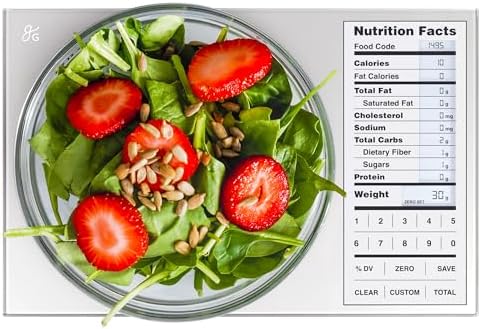
Smart Meal Prep Starts with a Nutrition-Calculating Scale
For anyone serious about meal prep, weight management, or tracking macros, a food scale that goes beyond simple weighing can be a game-changer. The Greater Goods Food Scale stands out by integrating a built-in nutrition calculator with 2,000 pre-loaded food codes, allowing you to log calories, carbs, and more without needing a separate app or device. This guide highlights what to consider when choosing such a specialized digital scale.
Key Considerations Before Buying
- Database depth matters: With 2,000 pre-loaded food codes, this scale covers a wide range of common ingredients, but ensure your frequently used items are included or can be added manually.
- Battery life and usability: As a battery-operated model, check for auto-shutoff features and battery type to avoid interruptions during meal prep sessions.
- Capacity and precision: With an 11lb capacity, this scale suits most home cooking needs, but verify the measurement increments (typically 1g or 0.1oz) for accuracy, especially when tracking small portions.
What Our Analysts Recommend
In a nutrition-calculating scale, look for an intuitive interface that doesn't slow down your workflow. A backlit display, tare function for bowl weights, and easy navigation through food codes are key. Also, consider whether the scale offers manual entry for custom foods, as this adds flexibility beyond its pre-loaded database.
Digital Scales Market Context
Market Overview
The digital kitchen scale market has evolved from basic weighing tools to smart devices with connectivity and nutrition tracking. Products like the Greater Goods scale occupy a middle ground: they offer a standalone database without requiring Bluetooth or Wi-Fi, appealing to users who prefer simplicity and privacy over app integration.
Common Issues
Common complaints in this category include inaccurate food databases, confusing navigation, and unreliable battery performance. Some scales also suffer from slow response times or limited food code updates, which can frustrate users who rely on the scale for daily tracking.
Quality Indicators
High-quality food scales typically feature durable stainless steel or tempered glass platforms, precise load cells (with accuracy within 1g), and clear, easy-to-read displays. For nutrition-focused models, a regularly updated or extensive food database is a strong indicator of ongoing product support and relevance.
Review Authenticity Insights
Grade B Interpretation
With a Review Authenticity Grade of B and an estimated 10% fake review rate, the Greater Goods scale shows strong credibility but isn't perfect. Most reviews are from verified purchasers and include specific usage contexts, which boosts trust, but the 10% suspicious reviews suggest some inflated praise or incentivized feedback.
Trust Recommendation
Focus on the 4.60 adjusted rating, which accounts for potentially fake reviews, as a more reliable indicator of user satisfaction. Pay special attention to reviews that mention the ease of using the 2,000 food codes or the scale's battery life, as these are specific, verifiable claims.
Tips for Reading Reviews
When reading reviews for this scale, look for comments about the food database's coverage—does it include your common meals? Also, check for balanced feedback: users who mention both pros (e.g., accurate weighing) and cons (e.g., limited codes) are more trustworthy than those with only glowing praise.
Expert Perspective
The Greater Goods Food Scale with Nutrition Calculator earns its high rating through a practical, non-connected approach that simplifies meal prep tracking. The 2,000 pre-loaded food codes and 11lb capacity cater well to home cooks and dieters, while the battery operation adds portability. However, the 10% estimated fake reviews and Grade B authenticity rating caution against blind trust in all positive feedback, so weigh the adjusted 4.60 rating more heavily.
Purchase Considerations
If you value a standalone tool that doesn't require a smartphone or subscription, this scale is a strong contender. But if you need a larger database or app integration for advanced tracking, consider alternatives that offer cloud syncing or custom food logging.
Comparing Alternatives
Shoppers should compare this model with connected scales from brands like Etekcity or Ozeri, which offer app-based nutrition tracking but may require more setup and connectivity.


