Small Fingers, Real Readings: What to Know Before Buying a Pediatric Pulse Oximeter
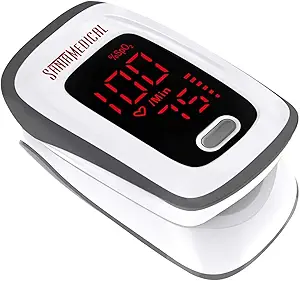
The Zacurate Cute Digital Fingertip Pulse Oximeter is designed for a niche but important need: fingers too small for standard adult oximeter clips. With its animal-themed design and OLED display, it targets parents, pediatric caregivers, and adults with petite hands who need reliable SpO2 monitoring without a loose or painful fit.
Key Considerations Before Buying
- Fit is everything with small-finger oximeters. A clip that's too large lets ambient light in and produces erratic readings, so confirm the device's finger range (often around 0.3–0.6 inches thick) matches your child's or your own finger size.
- Accuracy claims should be treated with healthy skepticism at this price point. Look for a stated SpO2 accuracy range (typically ±2% between 70–100%) and a pulse rate accuracy of ±2 bpm, and remember that cold hands, nail polish, and motion can all skew results.
- The animal theme is more than decoration for pediatric use. A friendly design can reduce resistance from anxious children during monitoring, which matters because a calm, still finger produces far more reliable readings than a squirming one.
What Our Analysts Recommend
Prioritize an OLED display that stays readable in dim bedrooms and bright daylight, automatic shutoff to preserve battery, and a low-battery indicator so readings aren't lost mid-session. A one-button operation is a practical plus for middle-of-the-night checks, and a carry lanyard helps keep a small device from getting lost.
Pulse Oximeters Market Context
Market Overview
Fingertip pulse oximeters became household items during the pandemic and remain a crowded, price-sensitive category dominated by a handful of brands. Most units are inexpensive imports with similar internals, so differentiation increasingly comes from fit, display quality, and design rather than breakthrough sensor technology.
Common Issues
The most frequent complaints in this category are inconsistent readings caused by poor finger fit, cheap clips that loosen over time, and displays that are hard to read at certain angles. Buyers also report confusion between genuine accuracy limits and device malfunction, since oximeters are sensitive to cold extremities and movement.
Quality Indicators
A credible oximeter states its accuracy specifications clearly, includes a finger-size range, and ships with a warranty and responsive customer support. Consistent readings across repeated measurements on the same finger, and agreement with a clinician's reading, are the best real-world quality tests.
Review Authenticity Insights
Grade B Interpretation
A Grade B authenticity rating with an estimated 12% fake review rate is middling-to-good for Amazon: most reviews are likely real, but a meaningful minority may be incentivized or inflated. The adjusted rating of 4.60 versus the displayed 4.89 suggests genuine satisfaction is high but not quite as flawless as the headline number implies.
Trust Recommendation
Treat the 4.89 rating as directional rather than definitive, and weight the adjusted 4.60 more heavily when comparing against competitors. The high volume of verified purchases with detailed personal stories is a reassuring sign that real parents and caregivers are using this device as intended.
Tips for Reading Reviews
Focus on reviews that mention specific finger sizes, children's ages, or comparisons with hospital readings, since these are hard to fabricate convincingly. Skim past short five-star reviews with no detail, and pay attention to critical reviews about fit or accuracy drift, as those often reveal the device's real limits.
Expert Perspective
This Zacurate model fills a genuine gap: most oximeters are sized for adult fingers, leaving parents of small children improvising with loose clips and unreliable results. The strong verified-purchase base and detailed caregiver reviews suggest it performs acceptably for home monitoring, though the adjusted rating and 12% estimated fake-review share mean it shouldn't be treated as a clinical-grade instrument.
Purchase Considerations
Buy this if you need a kid-friendly, small-finger oximeter for home spot checks and understand its limits as a screening tool, not a diagnostic device. Skip it if you need continuous monitoring, clinical accuracy guarantees, or a device for adult fingers, where a standard oximeter will fit better.
Comparing Alternatives
Compare against other pediatric-sized oximeters and standard adult units from established brands, checking finger-range specs and accuracy disclosures side by side before deciding.