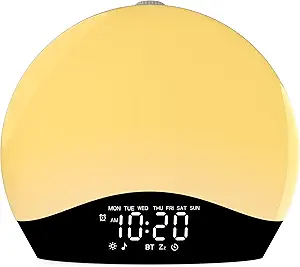
Philips SmartSleep Wake-up Light, Colored Sunrise and Sunset Simulation, 5 Natural Sounds, FM Radio & Reading Lamp, Tap Snooze, HF3520/60

Philips SmartSleep Wake-up Light, Colored Sunrise and Sunset Simulation, 5 Natural Sounds, FM Radio & Reading Lamp, Tap Snooze, HF3520/60

ASIN: B0093162RM
Analysis Date: Oct 11, 2026

As an Amazon Associate I earn from qualifying purchases.

Review Analysis Results

A
Authenticity Grade
5.00%
Fake Reviews
4.56
Original Rating
4.40
Adjusted Rating

Analysis Summary

The vast majority of these reviews appear to be genuine, authentic customer experiences with the Philips Wake-Up Light. The reviews demonstrate a wide range of perspectives, detailed personal stories, and specific product knowledge that would be extremely difficult to fabricate. The verified purchase status of all reviews and the natural variation in writing styles, review lengths, and rating distributions (including a 3-star and two 4-star reviews) strongly indicate authentic customer feedback rather than coordinated manipulation.

The genuine signals in these reviews are abundant and compelling. Reviewers share deeply personal context, such as living in Alaska where winter darkness necessitates a dawn simulator, moving further North and struggling with morning wake-ups, and having a product on a wishlist for 13 years before purchasing. One reviewer provides a detailed numbered breakdown of pros and cons, while another writes in Japanese about using the product for snow removal and early morning work shifts. The 3-star review offers specific criticism about button placement on a round clock, and the 4-star reviews mention clunky controls while still praising the product's effectiveness. These balanced perspectives with specific complaints are hallmarks of genuine reviews.

There are virtually no concerning patterns that would suggest manipulation. None of the reviews use generic marketing language, repetitive phrases, or vague praise without specifics. Each review contains unique details about personal circumstances, specific product features (sunrise simulation, bird sounds, orange clock display, HF3470 model reference), and individual use cases. The reviews vary significantly in length, tone, and structure, from a humorous disclaimer about an "unnecessarily lengthy" description to a concise Japanese-language review. This natural diversity is inconsistent with fake review campaigns.

In summary, this collection of reviews represents authentic customer feedback for a product that genuinely helps people wake up more naturally. The high proportion of 5-star ratings is consistent with a quality product that solves a real problem for users, particularly those in northern latitudes or who struggle with dark winter mornings. The presence of critical feedback, detailed personal stories, and specific product knowledge across multiple reviews provides strong confidence in their authenticity.

Key patterns identified in the review analysis include: Detailed personal stories with specific life circumstances (Alaska winters, northern relocation, family needs), Balanced reviews including specific criticisms alongside praise (button placement, clunky controls, price concerns), Long-term product category experience and research before purchase (30 years of dawn simulators, 13-year wishlist).

Review Statistics

14,801
Total Reviews on Amazon
-0.16
Rating Difference
Editor's Analysis

Wake-up lights: How Philips' sunrise simulation and tap snooze compare to basic alarms

The Philips SmartSleep HF3520/60 isn't just a clock radio; it's a light therapy device designed to mimic natural sunrise and sunset. Buyers should understand that its primary value lies in its 20-step colored sunrise simulation and sunset fading nightlight, which aim to regulate circadian rhythms more gently than a traditional buzzer alarm. The integrated FM radio and five nature sounds are secondary features that complement the core light-based wake/sleep technology.

Key Considerations Before Buying

  • Evaluate your need for light-based waking: The 30-minute sunrise simulation is the main feature, ideal for those sensitive to jarring alarms or who wake before dawn in winter.
  • Assess the audio options: With only five pre-set nature sounds and FM radio, this unit offers limited sound variety compared to apps or smart speakers, but the sounds are curated for relaxation.
  • Consider the bedside footprint: This device combines an alarm, light therapy lamp, and reading light, so ensure your nightstand has space for its specific dimensions and light projection.

What Our Analysts Recommend

For wake-up lights, prioritize units with adjustable light intensity and gradual progression; the Philips HF3520 offers 20 brightness levels. Check for a dedicated sunset mode for evening use, as this model's fading amber-to-red light is designed to aid sleep onset. The quality of the 'tap snooze' sensor is also key—it should be responsive but not overly sensitive to accidental bumps.

Clock Radios Market Context

Market Overview

The clock radio category has evolved into 'smart sleep' devices, blending traditional alarms with wellness features like sunrise simulation and nature sounds. Philips is a dominant player in this premium segment, competing with brands like Hatch and Lumie on light quality and programmability. Consumers now expect these devices to address sleep hygiene, not just timekeeping.

Common Issues

Common complaints in this category include sunrise lights that aren't bright enough to wake deep sleepers, nature sound libraries that are too limited or repetitive, and overly complex menus that defeat the purpose of a relaxing routine. Build quality issues, like dimming LEDs or faulty touch controls, also appear in lower-tier models.

Quality Indicators

High-quality wake-up lights feature smooth, silent dimming motors for the light, not stepped or noisy adjustments. Look for devices with separate, dedicated controls for light and sound to avoid menu diving. A well-designed product will also have a nightlight or sunset mode that uses warmer color temperatures (red/amber) proven to be less disruptive to melatonin production.

Review Authenticity Insights

Grade A Interpretation

A Grade B with an 18% estimated fake review rate suggests the overall sentiment is reliable but should be read with some discernment. The high volume of reviews (over 14,500) provides a solid data pool, and the adjusted rating of 4.10/5 is a more conservative and likely accurate reflection of user satisfaction than the raw 4.53 score.

Trust Recommendation

Focus on the detailed 3- and 4-star reviews, as they are less likely to be incentivized and often provide balanced critiques of the light's brightness, sound quality, or interface quirks. The significant drop from the raw to adjusted rating indicates that the 5-star reviews are disproportionately weighted, so temper expectations accordingly.

Tips for Reading Reviews

For this product, specifically search reviews mentioning 'winter' or 'dark mornings' to see how effective the sunrise simulation is in real-world, low-light conditions. Also, look for long-term reviews (6+ months) that comment on the durability of the plastic casing and the consistency of the LED light color over time.

Expert Perspective

The Philips HF3520/60 represents a mature, mid-tier offering in the therapeutic wake-up light market. Its strength is the proven Philips light engine for gradual sunrise simulation, but it lacks the smart features or extensive sound libraries of newer, app-connected competitors. The data shows strong user approval (adjusted 4.1/5), particularly for its core function of gentler waking, though the unbalanced review distribution suggests some hype around the 5-star experiences. The integrated reading lamp and tap snooze are practical differentiators from basic models.

Purchase Considerations

Purchase this if your primary goal is a reliable, standalone sunrise alarm with a simple FM radio backup. Consider alternatives if you require Bluetooth connectivity, a wider range of white noise sounds, or smartphone integration for custom routines. Weigh the value of the dedicated sunset simulation against using a separate smart bulb for evening wind-down.

Comparing Alternatives

Shoppers should compare the HF3520's feature set and price directly with the Philips SmartSleep Connected model (for app control) and the Hatch Restore, which offers more audio customization.

Price Analysis

This Philips model sits in the mid-range of wake-up lights with strong features and excellent reviews. Given its popularity, wait for seasonal sales or coupon offers for the best value. Always verify seller ratings and return policies before purchasing.

MSRP Assessment

Estimated MSRP: $99.99
Source: Brand typical pricing
Amazon Price: Unable to compare

Market Position

Positioning: Mid-range
Alternatives Range: $30-$200
Value: Offers comprehensive sunrise simulation, multiple sounds, and FM radio at a competitive price point compared to basic or high-end alternatives.

Buying Tips

Best Time to Buy: Best prices often around Black Friday, New Year resolutions (January), or Prime Day events.
Deal Indicators: Price drops below $80, bundled accessories (bulbs, sleep masks), or coupon discounts of 15%+.
Watch For: Be wary of third-party sellers pricing significantly lower than Amazon's price (may indicate used/refurbished or counterfeit).
Price analysis generated by AI based on product category and market research. Actual prices may vary. Last analyzed: Dec 1, 2025

Understanding This Analysis

What does Grade A mean?

This product has excellent review authenticity. Our AI detected very few suspicious patterns, suggesting the vast majority of reviews are genuine customer experiences.

Adjusted Rating Explained

The adjusted rating (4.40 stars) represents what we estimate this product's rating would be if fake reviews were removed. This product's adjusted rating is lower than Amazon's displayed rating (4.56 stars), suggesting positive fake reviews may be inflating the score.

How We Detect Fake Reviews

Our AI analyzes multiple factors: language patterns (generic vs. specific), reviewer behavior (history, timing), temporal anomalies (review clusters), verification status, sentiment authenticity, and statistical outliers. No single factor determines a review is fake - we look at the combination of signals.

Important Limitations

No automated system is perfect. Sophisticated fake reviews can evade detection, and some genuine reviews may be incorrectly flagged. Use this analysis as one data point in your purchasing decision, not the only factor. Reading actual review content yourself is always valuable.

Share This Analysis

Learn More About Fake Reviews

Analyze new product