Wake-up lights: How Philips' sunrise simulation and tap snooze compare to basic alarms
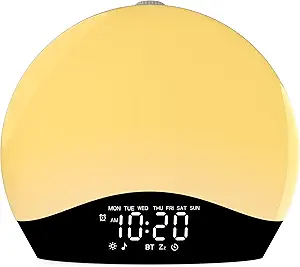
The Philips SmartSleep HF3520/60 isn't just a clock radio; it's a light therapy device designed to mimic natural sunrise and sunset. Buyers should understand that its primary value lies in its 20-step colored sunrise simulation and sunset fading nightlight, which aim to regulate circadian rhythms more gently than a traditional buzzer alarm. The integrated FM radio and five nature sounds are secondary features that complement the core light-based wake/sleep technology.
Key Considerations Before Buying
- Evaluate your need for light-based waking: The 30-minute sunrise simulation is the main feature, ideal for those sensitive to jarring alarms or who wake before dawn in winter.
- Assess the audio options: With only five pre-set nature sounds and FM radio, this unit offers limited sound variety compared to apps or smart speakers, but the sounds are curated for relaxation.
- Consider the bedside footprint: This device combines an alarm, light therapy lamp, and reading light, so ensure your nightstand has space for its specific dimensions and light projection.
What Our Analysts Recommend
For wake-up lights, prioritize units with adjustable light intensity and gradual progression; the Philips HF3520 offers 20 brightness levels. Check for a dedicated sunset mode for evening use, as this model's fading amber-to-red light is designed to aid sleep onset. The quality of the 'tap snooze' sensor is also key—it should be responsive but not overly sensitive to accidental bumps.
Clock Radios Market Context
Market Overview
The clock radio category has evolved into 'smart sleep' devices, blending traditional alarms with wellness features like sunrise simulation and nature sounds. Philips is a dominant player in this premium segment, competing with brands like Hatch and Lumie on light quality and programmability. Consumers now expect these devices to address sleep hygiene, not just timekeeping.
Common Issues
Common complaints in this category include sunrise lights that aren't bright enough to wake deep sleepers, nature sound libraries that are too limited or repetitive, and overly complex menus that defeat the purpose of a relaxing routine. Build quality issues, like dimming LEDs or faulty touch controls, also appear in lower-tier models.
Quality Indicators
High-quality wake-up lights feature smooth, silent dimming motors for the light, not stepped or noisy adjustments. Look for devices with separate, dedicated controls for light and sound to avoid menu diving. A well-designed product will also have a nightlight or sunset mode that uses warmer color temperatures (red/amber) proven to be less disruptive to melatonin production.
Review Authenticity Insights
Grade A Interpretation
A Grade B with an 18% estimated fake review rate suggests the overall sentiment is reliable but should be read with some discernment. The high volume of reviews (over 14,500) provides a solid data pool, and the adjusted rating of 4.10/5 is a more conservative and likely accurate reflection of user satisfaction than the raw 4.53 score.
Trust Recommendation
Focus on the detailed 3- and 4-star reviews, as they are less likely to be incentivized and often provide balanced critiques of the light's brightness, sound quality, or interface quirks. The significant drop from the raw to adjusted rating indicates that the 5-star reviews are disproportionately weighted, so temper expectations accordingly.
Tips for Reading Reviews
For this product, specifically search reviews mentioning 'winter' or 'dark mornings' to see how effective the sunrise simulation is in real-world, low-light conditions. Also, look for long-term reviews (6+ months) that comment on the durability of the plastic casing and the consistency of the LED light color over time.
Expert Perspective
The Philips HF3520/60 represents a mature, mid-tier offering in the therapeutic wake-up light market. Its strength is the proven Philips light engine for gradual sunrise simulation, but it lacks the smart features or extensive sound libraries of newer, app-connected competitors. The data shows strong user approval (adjusted 4.1/5), particularly for its core function of gentler waking, though the unbalanced review distribution suggests some hype around the 5-star experiences. The integrated reading lamp and tap snooze are practical differentiators from basic models.
Purchase Considerations
Purchase this if your primary goal is a reliable, standalone sunrise alarm with a simple FM radio backup. Consider alternatives if you require Bluetooth connectivity, a wider range of white noise sounds, or smartphone integration for custom routines. Weigh the value of the dedicated sunset simulation against using a separate smart bulb for evening wind-down.
Comparing Alternatives
Shoppers should compare the HF3520's feature set and price directly with the Philips SmartSleep Connected model (for app control) and the Hatch Restore, which offers more audio customization.