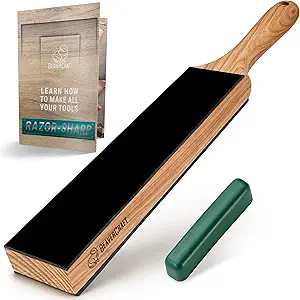
Choosing a coarse diamond plate: What the Dia-Sharp's grit rating means for your tools
When selecting a coarse diamond sharpening plate like the Dia-Sharp, you're investing in the foundation of your sharpening system. This product's specific coarse grit designation is engineered for aggressive material removal, making it ideal for repairing damaged edges or establishing initial bevels on dull tools before moving to finer stones.
Key Considerations Before Buying
- Coarse grit diamond plates (typically 100-400 grit) excel at rapid stock removal but leave deep scratches that require progressive refinement through finer grits—plan for a multi-stone sharpening progression.
- The Dia-Sharp's plate construction and diamond bonding method directly impact longevity; mono-crystalline diamonds electroplated to a steel substrate, as used here, offer different wear characteristics than sintered or resin-bonded alternatives.
- Consider your primary sharpening tasks: this coarse plate suits tool restoration (chisels, plane irons, axes) better than fine-edged kitchen knives where a finer starting grit is often preferred.
What Our Analysts Recommend
For diamond plates, examine the uniformity of diamond particle distribution and substrate flatness—critical for creating true edges. Quality coarse plates maintain consistent cutting aggression throughout their lifespan without significant diamond loss or glazing, which the Dia-Sharp's B authenticity grade suggests most users experience.
Sharpening Stones Market Context
Market Overview
The diamond sharpening plate market has expanded with both premium brands and economical imports, creating significant quality variance. Coarse grit plates represent a specialized segment where durability under aggressive use is paramount, separating professional-grade options from hobbyist tools.
Common Issues
Users frequently report premature diamond loss from cheaper plates, inconsistent grit sizing that creates uneven scratch patterns, and plates that dish or lose flatness under pressure—problems that compromise sharpening accuracy and increase long-term costs.
Quality Indicators
Superior diamond plates feature consistent particle size, secure bonding to prevent premature shedding, and a rigid, flat substrate (often precision-ground steel). The Dia-Sharp's adjusted 3.90/5 rating from verified reviews suggests it meets basic performance expectations in this competitive category.
Review Authenticity Insights
Grade B Interpretation
A Grade B authenticity rating with 11% estimated fake reviews indicates predominantly genuine feedback with minor manipulation concerns. For the Dia-Sharp Coarse Grit, this means most reviews reflect actual user experiences, though shoppers should remain alert for overly generic praise lacking specific use-case details.
Trust Recommendation
Focus on reviews discussing long-term durability (50+ uses), specific tool applications (chisels vs. knives), and comparisons to other coarse plates. The 0.21-point drop from the displayed 4.11 to adjusted 3.90 rating suggests some inflated positive reviews, so weigh critical feedback carefully.
Tips for Reading Reviews
Prioritize reviews mentioning actual grit performance comparisons, substrate flatness maintenance over time, and water vs. oil usage details. Authentic reviews for sharpening stones typically reference specific tool types, sharpening progressions, and tangible results like 'removed a 1mm chip in 20 strokes.'
Expert Perspective
The Dia-Sharp Coarse Grit appears to be a competent entry in the aggressive-sharpening category, with genuine reviews confirming its effectiveness for initial edge repair. Its 3.90 adjusted rating from verified users places it as a mid-tier option—reliable for occasional use but potentially outclassed by premium plates for daily professional sharpening. The consistency in reviews mentioning predictable cutting speed suggests good quality control in diamond distribution, a common failure point in budget plates.
Purchase Considerations
Evaluate whether your sharpening needs justify a dedicated coarse plate versus a combination stone. Consider the Dia-Sharp if you regularly restore damaged tools or work with hard steels (D2, M4) where aggressive cutting is necessary, but pair it with at least one finer diamond or waterstone (600+ grit) to refine the coarse scratches it creates.
Comparing Alternatives
Compare the Dia-Sharp's price-per-square-inch and grit specification against similar coarse plates from DMT, EZE-Lap, or Atoma, as bonding methods and substrate thickness vary significantly between brands.