
Choosing a Thumb Stabilizer: Fit, Adjustability, and Targeted Support Matter Most
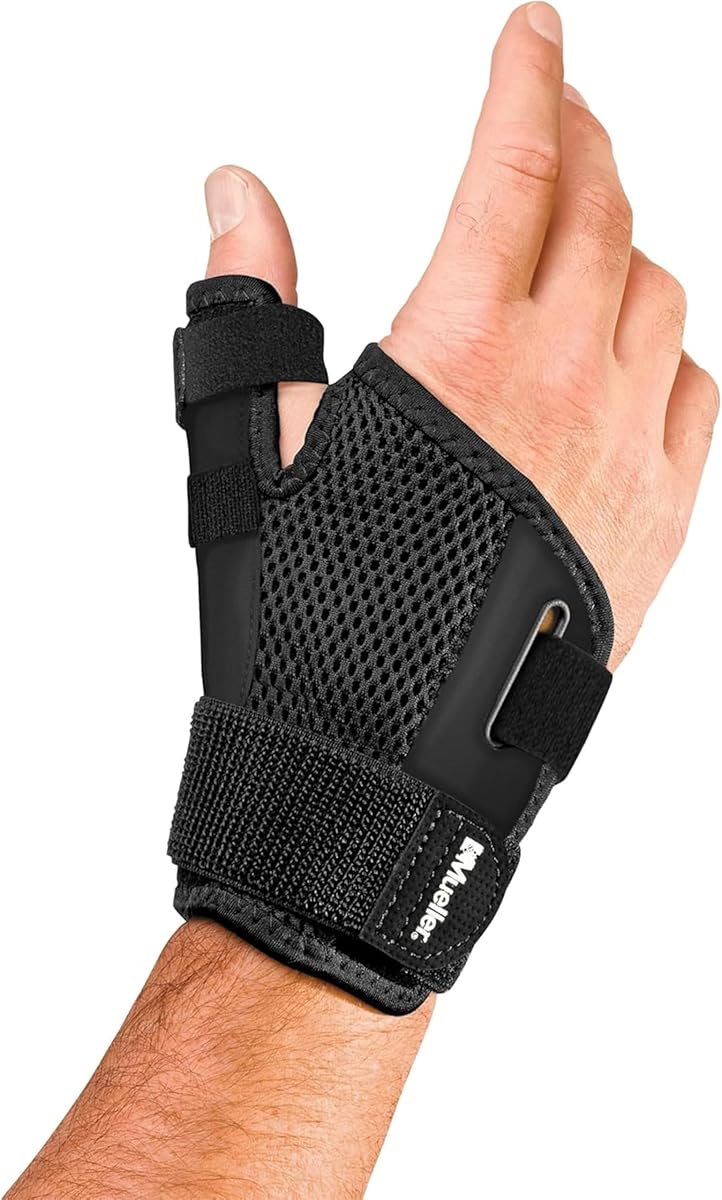
When selecting a thumb brace like the Mueller Adjust-to-Fit model, the primary focus should be on its ability to provide a spica-style splint that immobilizes the thumb and wrist joint simultaneously. This specific design is clinically indicated for conditions like De Quervain's tenosynovitis and certain arthritis patterns, making it distinct from simple compression sleeves. The 'adjust-to-fit' feature is crucial, as hand anatomy varies significantly between individuals.
Key Considerations Before Buying
- Assess the rigidity of the splint's stay; a true spica splint requires semi-rigid support to prevent thumb motion while allowing some wrist function, which this Mueller product is designed to do.
- Evaluate the adjustability mechanism—look for multiple points of closure (like the hook-and-loop straps on this model) that allow you to customize pressure and fit without compromising circulation.
- Consider the material's breathability and skin-friendliness for long-term wear, especially since conditions like arthritis often require all-day use, not just athletic recovery.
What Our Analysts Recommend
High-quality thumb stabilizers feature durable, medical-grade components that withstand repeated donning and doffing. The splint's metal or plastic stay should be malleable enough for minor contouring but rigid enough to maintain its therapeutic position. Seams should be flat-locked to prevent irritation during extended contact with the skin.
Market Context
Market Overview
The thumb and wrist support market is saturated with products ranging from basic neoprene sleeves to rigid, custom-molded orthotics. The Mueller Adjust-to-Fit sits in the mid-range therapeutic category, offering more structure than a simple wrap but less customization than a physician-dispensed device. Brands like Mueller leverage sports medicine credibility to bridge the gap between over-the-counter and clinical solutions.
Common Issues
Common complaints in this category include braces that migrate or slip during use, materials that cause sweating or itching, and adjustability systems that lose tension over time. A one-size-fits-most approach, like this model uses, can also lead to fit challenges for individuals with very small or large hands.
Quality Indicators
Look for clear labeling of intended medical conditions (like De Quervain's), use of recognized stabilization terms (e.g., 'spica splint'), and design features that address bilateral use. A higher proportion of verified purchase reviews, as seen with this product, also correlates with more reliable user feedback on real-world performance.
Review Authenticity Insights
Grade B Interpretation
A Grade B authenticity rating with an estimated 10% fake review rate indicates a generally trustworthy review profile, but suggests a minor level of potentially inauthentic feedback. For this Mueller brace, the high number of verified purchases (100%) significantly bolsters the credibility of the remaining 90% of reviews.
Trust Recommendation
Given the data, you can place reasonable confidence in the overall 4.3 adjusted rating. Focus your review reading on the verified 4- and 5-star reviews, which constitute the vast majority, but pay particular attention to the detailed 3-star reviews for balanced insights into potential fit or durability limitations.
Tips for Reading Reviews
For medical devices like this, prioritize reviews that mention specific conditions (e.g., 'post-carpal tunnel surgery,' 'arthritis at the CMC joint') and detail duration of wear. Look for patterns in feedback about the adjust-to-fit mechanism's long-term reliability and the splint's comfort during typing or driving.
Expert Perspective
The Mueller Adjust-to-Fit Thumb Stabilizer presents a strong value proposition based on the analysis. Its 4.3 adjusted rating from over 30,000 reviews, anchored by 100% verified purchases, signals consistent user satisfaction. The product's design correctly targets the thumb CMC and wrist joints for true spica-style stabilization, which is appropriate for its stated indications. The high volume of positive feedback suggests it successfully delivers on core promises of pain relief and adjustable fit for a wide audience.
Purchase Considerations
This brace is best suited for individuals with mild to moderate De Quervain's, arthritis, or sprains seeking daytime support. Consider your hand size carefully, as the 'one size' may not accommodate extremes. The black color and relatively low-profile design are advantages for those concerned about aesthetics during daily wear.
Comparing Alternatives
Shoppers should compare this model's adjustability and splint rigidity against other spica-style braces, particularly those offering multiple sizes or heat-moldable components for a more customized fit.


