
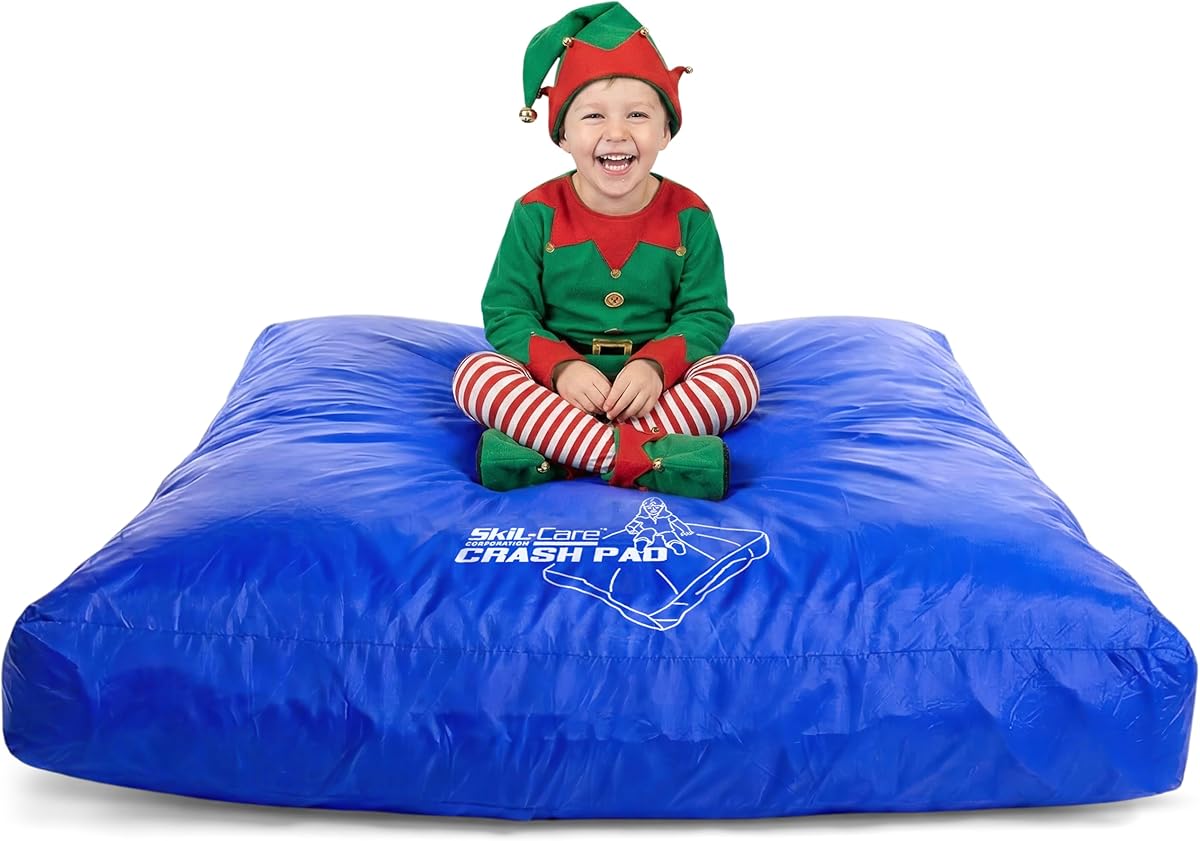
High-Density Crash Pads: Essential Safety for Sensory Spaces
When outfitting a sensory room or clinic, a crash pad is more than a cushion—it's a critical safety tool for children who seek deep pressure or engage in vigorous movement. The Skil-Care Crash Pad, available in sizes from 3x4ft to 8x8ft, offers high-density foam encased in a water-resistant nylon cover with mesh vents, balancing protection with breathability. Here’s what to consider before choosing the right crash pad for your space.
Key Considerations Before Buying
- Size and coverage: Measure your available floor space and consider the child's height and fall radius. A 3x4ft pad suits small corners or home use, while 8x8ft provides a larger landing zone for active play in schools or clinics.
- Foam density and thickness: High-density foam offers better shock absorption and lasts longer under repeated impact. Check the pad's thickness—thicker foam (typically 4 inches or more) provides greater safety for higher falls.
- Cover durability and maintenance: A water-resistant nylon cover is essential for easy cleaning, especially in settings where spills or accidents occur. Look for removable, machine-washable covers and reinforced seams to withstand daily use.
What Our Analysts Recommend
Inspect the quality of the foam—it should be firm yet responsive, not overly soft or crumbly. The cover's stitching and zipper quality are indicators of durability; mesh vents are a plus for airflow, preventing moisture buildup. Also, verify the pad's weight and portability if you plan to move it between rooms.
Crash Pads Market Context
Market Overview
The market for sensory crash pads has expanded beyond specialized therapy clinics into homes, schools, and pediatric practices, driven by increased awareness of sensory processing disorders. Products now range from basic foam mats to multi-piece modular systems with varied densities and covers, catering to diverse needs and budgets.
Common Issues
Common issues include foam compression over time, covers that tear or are difficult to clean, and pads that are too thin to provide adequate protection. Some products also off-gas or have strong odors initially, which can be problematic for sensitive children.
Quality Indicators
Quality crash pads feature high-density (often 2.0 lb or higher) polyurethane foam, double-stitched covers with heavy-duty zippers, and breathable materials. Look for certifications like GREENGUARD for low emissions, and check for warranties that cover foam compression and cover defects.
Review Authenticity Insights
Grade A Interpretation
With an A grade and an estimated fake review rate of just 5%, this product's review profile is highly trustworthy. The adjusted rating of 4.90 out of 5, down only slightly from the perfect 5.00, indicates that genuine customer experiences overwhelmingly positive, with only minor reservations.
Trust Recommendation
You can rely on the 383 reviews to reflect real-world performance. Pay attention to recurring themes in verified reviews, such as durability and ease of cleaning, to gauge long-term satisfaction. The low fake percentage suggests that the star rating is a reliable indicator of quality.
Tips for Reading Reviews
When reading reviews, focus on those that mention specific use cases—like how the pad held up with active children or in a classroom setting. Look for photos and comments about the cover's water resistance and the foam's recovery after compression. Also, note any reviews mentioning size accuracy, as pad dimensions can be misjudged.
Expert Perspective
The Skil-Care Crash Pad stands out for its high-density foam construction and water-resistant nylon cover with mesh vents—features that directly address the two biggest concerns in this category: safety and hygiene. The size range from 3x4ft to 8x8ft offers flexibility for various settings, from a small home corner to a dedicated sensory room. The near-perfect ratings, backed by a high authenticity grade, suggest that this product consistently meets user expectations.
Purchase Considerations
Weigh the pad's size and thickness against your specific space and the child's needs. If portability is a priority, consider the larger sizes' weight. Also, factor in the cover's ease of removal for washing—a critical maintenance point for daily use in schools or clinics.
Comparing Alternatives
While this crash pad is a strong contender, shoppers should compare it with other leading brands that offer similar features, such as different foam densities or modular designs, to ensure the best fit for their particular requirements.


