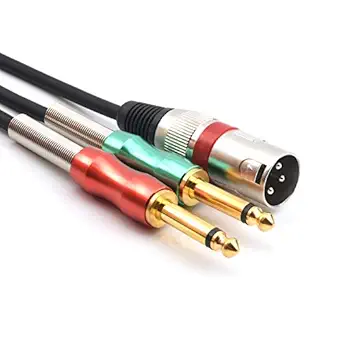
XLR Cable Essentials: Why 16AWG and Gold Plating Matter for Your Rig
When you're setting up a live sound or studio recording rig, the humble XLR cable is the unsung hero that carries your signal from microphone to mixer. The Monoprice Stage Right Series XLR cable, with its 16AWG conductors and gold-plated contacts, is built to deliver clean, noise-free audio, but there's more to consider than just the specs. Here's what you need to know before you buy.
Key Considerations Before Buying
- Cable length: For a 6-foot cable, you're likely using it for short runs between a mic and a direct box, or between a mixer and a powered speaker. Longer runs might require thicker gauge or lower capacitance cables to prevent signal degradation.
- Connector quality: Gold-plated XLR connectors resist corrosion and ensure a solid, reliable connection, but the real test is how well the connector grips and locks. Look for cables with sturdy, metal connectors that won't easily bend or break at the strain relief.
- Cable flexibility and durability: A cable that's too stiff can be a pain to route on stage, while one that's too flimsy may not withstand the rigors of gigging. The Monoprice cable's braided or PVC jacket should offer a balance, but consider your usage—live sound demands more ruggedness than home studio patching.
What Our Analysts Recommend
In a quality XLR cable, examine the conductor gauge (16AWG is a good balance for most applications), the shielding (braided or foil, with high coverage to reject interference), and the solder joints inside the connector. A cable that lies flat and doesn't kink is easier to manage, and a good strain relief at the connector prevents internal wire breakage.
Microphone Cables Market Context
Market Overview
The microphone cable market is saturated with options ranging from budget-friendly to premium, with brands like Mogami, Canare, and Pro Co vying for the pro audio dollar. Monoprice has carved out a niche by offering reliable, affordable cables that rival pricier alternatives, making them a go-to for home studios and gigging musicians alike.
Common Issues
Common problems with XLR cables include intermittent signal loss due to poor solder joints, hum and buzz from inadequate shielding, and connector failure from stress or corrosion. Many users also report that budget cables can be stiff or have subpar strain relief, leading to breakage at the most inopportune moments.
Quality Indicators
Look for cables with 95% or better shielding coverage, robust connectors with solid metal shells, and a warranty that covers defects. The Monoprice Stage Right series, with its 16AWG conductors and gold-plated contacts, is a step above basic cables, but the true test is how it holds up over time—check for reviews that mention long-term durability.
Review Authenticity Insights
Grade B Interpretation
A Grade B rating with a 10% estimated fake review percentage suggests that while the majority of reviews are genuine, there's a small but notable portion that may be incentivized or inauthentic. For a product with 5,588 reviews, this means roughly 559 reviews could be questionable, which is a minor concern but not enough to undermine the overall positive signal.
Trust Recommendation
Given the high adjusted rating of 4.60/5, you can trust that real users are largely satisfied. However, be wary of reviews that are overly generic or lack specific usage context—genuine reviews for this cable often mention specific gear, like 'used for my SM7B' or 'connected my interface to studio monitors.' Also, cross-reference the negative reviews to see if any recurring issues arise.
Tips for Reading Reviews
When reading reviews for XLR cables, focus on those that discuss signal clarity, noise rejection, and build quality over time. Look for reviews that mention the cable's flexibility and connector fit, as these are common pain points. Also, check if the reviewer has used the cable in a professional context, as that adds credibility.
Expert Perspective
The Monoprice Stage Right XLR cable appears to be a solid performer that punches above its price point. The 16AWG gauge is robust for a 6-foot cable, and the gold-plated contacts are a nice touch for signal integrity. The high adjusted rating of 4.60/5, despite the 10% fake review estimate, indicates that real users are getting reliable performance, likely making it a smart buy for budget-conscious musicians.
Purchase Considerations
Weigh the cable's price against your needs—if you're a touring professional, you might prefer a cable with a lifetime warranty, but for home use or occasional gigs, this Monoprice cable offers excellent value. Consider buying multiple to have spares, as cable failure is inevitable with any brand, but at this price, it's not a big hit to replace.
Comparing Alternatives
While this cable is a strong contender, shoppers should compare it with other budget-friendly options like Hosa or Pig Hog, and also consider premium brands if they require specialized specs like low capacitance for high-frequency clarity. Ultimately, the Monoprice cable's performance and price make it a worthy candidate for most applications.