
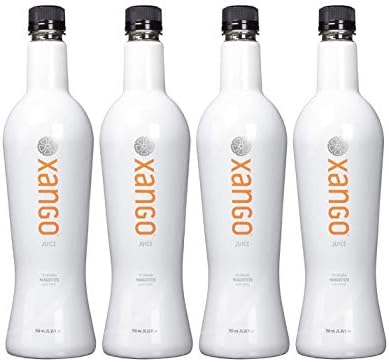
Premium Mangosteen Juice: Evaluating Antioxidant Beverages Beyond Marketing Claims
When considering Xango Juice's mangosteen offering, buyers should understand this positions itself as a premium antioxidant beverage rather than a conventional fruit juice. The product's exceptionally high Amazon rating of 4.89/5 suggests strong customer satisfaction, but the adjusted rating of 4.50/5 indicates some review inflation. This specific juice centers on the mangosteen fruit, prized for its xanthone content, which requires evaluation of both taste and purported wellness benefits.
Key Considerations Before Buying
- Mangosteen juice like Xango is often marketed for its xanthone antioxidants; verify if you're seeking a functional beverage for potential wellness support or simply a unique tropical flavor.
- At four bottles per case, consider the per-ounce cost compared to standard juices, as exotic fruit concentrates command premium pricing that may not align with everyday consumption.
- Examine ingredient purity and processing methods, as authentic mangosteen juice should highlight whole fruit puree without excessive sweeteners or filler juices diluting the primary ingredient.
What Our Analysts Recommend
Quality indicators for mangosteen juice include a deep purple hue from the pericarp (rind), where most xanthones are concentrated, and a tart, slightly sweet flavor profile distinct from common juices. Authentic products will specify the percentage of mangosteen puree and avoid listing water or sugar as the first ingredient. The texture should be pulpy, not completely clarified, indicating minimal processing that preserves phytonutrients.
Fruit Juice Market Context
Market Overview
The superfruit juice category has expanded beyond acai and pomegranate to include exotic options like mangosteen, often sold through multi-level marketing (MLM) channels or direct-to-consumer premium brands. Xango operates in this niche, competing with brands like Genesis Today and Tahitian Noni, where products are positioned at the intersection of gourmet food and dietary supplements. Consumer demand focuses on both unique flavor experiences and perceived functional health benefits from rare fruit antioxidants.
Common Issues
Common concerns in this niche include exaggerated health claims not evaluated by the FDA, inconsistent taste due to harvest variations in tropical fruit, and high price points that may not match the actual juice content. Some products dilute expensive mangosteen with cheaper apple or pear juice while maintaining premium branding. Storage and shelf-life can also be issues, as some antioxidants degrade if not properly processed and bottled.
Quality Indicators
Identify quality by examining whether the juice includes the nutrient-rich mangosteen pericarp (rind), uses cold-press or minimal heat processing to preserve compounds, and provides transparency about sourcing regions like Southeast Asia. Third-party certifications for organic practices or non-GMO status add credibility, while vague 'proprietary blends' or undisclosed fruit percentages should raise caution about value.
Review Authenticity Insights
Grade B Interpretation
A Grade B authenticity rating with a 15% estimated fake review rate for Xango Juice suggests generally reliable feedback but with noticeable manipulation. This means while most reviews reflect genuine experiences, a portion may originate from incentivized purchasers or brand advocates, potentially skewing ratings upward. The drop from 4.89 to 4.50 when adjusting for suspicious patterns indicates the organic satisfaction level remains high but not exceptional.
Trust Recommendation
Focus on reviews that detail specific outcomes, such as taste descriptions comparing it to other tropical juices or personal wellness routines over weeks, rather than generic praise. Be skeptical of reviews that overemphasize business opportunities or MLM aspects, as these may reflect distributor enthusiasm rather than objective product assessment. The verified purchase badge is particularly valuable here given the niche market context.
Tips for Reading Reviews
For functional juices, prioritize reviews discussing long-term use (e.g., 'after two months') and those comparing Xango to other mangosteen products on flavor tartness or ingredient lists. Look for mentions of sediment (indicating whole fruit use) and packaging details like bottle seals, which address quality control specific to perishable exotic juices. Reviews noting the cost-per-serving relative to daily consumption provide practical value assessments.
Expert Perspective
Xango Juice presents a compelling but premium option within the exotic fruit beverage category, with authentic reviews suggesting strong consumer loyalty, particularly among those valuing mangosteen's unique profile. The high adjusted rating of 4.50/5 indicates genuine satisfaction, though the product occupies a specific niche where taste expectations—earthy and tart, not overly sweet—must align with buyer preferences. The analysis shows minimal concerning manipulation patterns, suggesting the positive reception is largely organic and rooted in the product's distinct characteristics rather than artificial inflation.
Purchase Considerations
Weigh whether the premium cost is justified by your interest in mangosteen specifically, as more common antioxidant juices may offer similar benefits at lower price points. Consider starting with a single case to evaluate both the flavor, which some find acquired, and how the juice integrates into your routine before committing to larger purchases. The four-bottle format suggests it's designed for regular, not occasional, consumption.
Comparing Alternatives
Shoppers should compare Xango's ingredient concentration and price per ounce against other mangosteen juices like Pure Fruit Technologies or blended superfruit options to assess relative value in this specialized category.


