
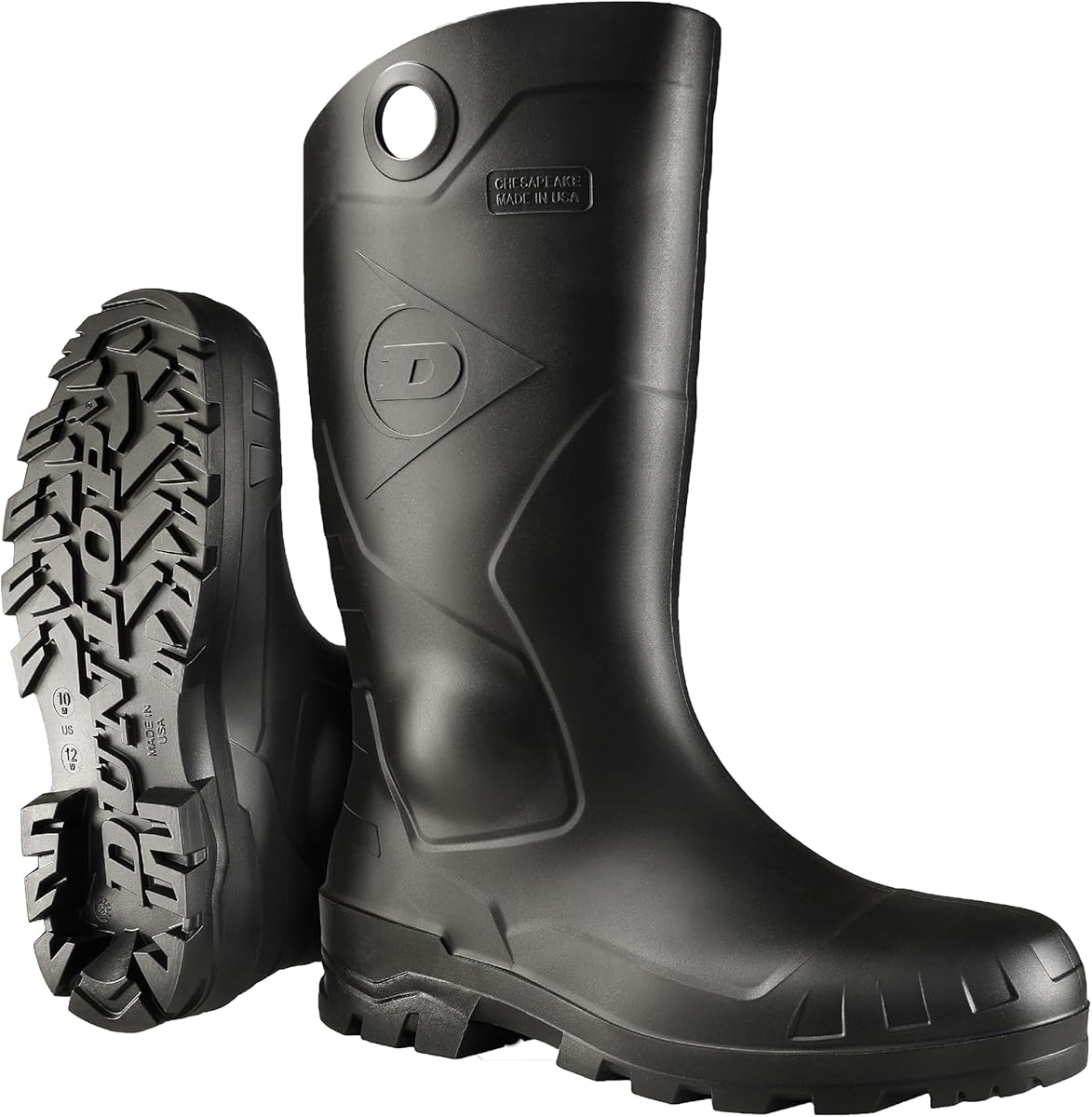
Choosing PVC Work Boots: Waterproof Protection vs. Comfort and Durability
When selecting PVC work boots like the Dunlop Chesapeake, buyers must balance waterproof integrity with practical wearability. These boots feature a soft toe and wide calf design specifically for extended wear in wet conditions, making them distinct from traditional leather work boots. Understanding how PVC construction affects flexibility, insulation, and long-term durability is essential for this category.
Key Considerations Before Buying
- PVC thickness and flexibility directly impact comfort during prolonged wear—thinner PVC may be lighter but less durable in rugged environments.
- The wide calf design is crucial for proper fit with work pants or layers, but requires accurate measurement to avoid gapping or restriction.
- Soft toe construction provides basic protection without metal reinforcement, suitable for gardening and light duty but not heavy industrial impact zones.
What Our Analysts Recommend
Examine the boot's seam integrity, particularly where the upper meets the sole, as this is a common failure point in PVC boots. Quality indicators include reinforced heel counters for stability and textured tread patterns designed for slippery surfaces rather than generic flat soles. The PVC should have consistent thickness without visible thin spots or manufacturing imperfections.
Industrial & Construction Boots Market Context
Market Overview
The industrial PVC boot market has shifted toward hybrid designs that bridge gardening and light construction use, with Dunlop positioning the Chesapeake as a versatile option. Unlike specialized steel-toe rubber boots, these soft-toe models compete directly with traditional Wellington boots while incorporating work boot features like wider sizing ranges.
Common Issues
PVC boots frequently develop cracks at stress points after seasonal temperature changes, and sizing inconsistencies plague the category despite numerical sizing. Many users report inadequate arch support for all-day wear, requiring aftermarket insoles for comfort during extended work periods.
Quality Indicators
Superior PVC boots feature molded-in reinforcement around the ankle collar and instep where flexing occurs most. Look for boots with integrated kick plates at the heel for donning/doffing and anti-roll designs that prevent the boot from collapsing when not worn. The best models have graduated thickness—thicker at the sole junction, thinner at the shaft—for optimal weight distribution.
Review Authenticity Insights
Grade B Interpretation
A Grade B authenticity rating with 11% estimated fake reviews indicates predominantly genuine feedback with some promotional content. For a product with over 15,000 reviews, this suggests organized review manipulation exists but doesn't dominate the overall rating. The adjusted 4.60 rating from 4.89 reflects this filtering.
Trust Recommendation
Focus on reviews discussing specific use cases like 'fishing in rocky streams' or 'eight-hour gardening sessions' rather than generic praise. The high volume of reviews allows you to identify consistent patterns about sizing (many note they run large) and PVC flexibility in cold weather.
Tips for Reading Reviews
Prioritize reviews mentioning long-term wear (6+ months) to assess durability claims, and look for photos showing actual wear patterns. Be skeptical of reviews that don't mention the wide calf feature—genuine users of this specific boot almost always comment on this distinctive characteristic.
Expert Perspective
The Dunlop Chesapeake represents a competent entry in the lightweight PVC work boot segment, with its 4.60 adjusted rating reflecting genuine satisfaction among most users. Its wide calf design addresses a common fit issue in the category, while the soft toe construction appropriately targets light-duty applications rather than heavy industrial use. The high review volume provides reliable data points about performance in actual gardening, fishing, and light agricultural scenarios.
Purchase Considerations
Consider these boots primarily for intermittent wet conditions rather than daily industrial wear, as PVC lacks the breathability of composite or leather alternatives. The sizing range (3-15) accommodates diverse users but requires careful consultation of the brand's specific sizing chart rather than assuming standard conversions.
Comparing Alternatives
Shoppers should compare the Chesapeake against similar PVC boots from Servus and Tingley, particularly examining differences in sole compound and calf circumference measurements.


