
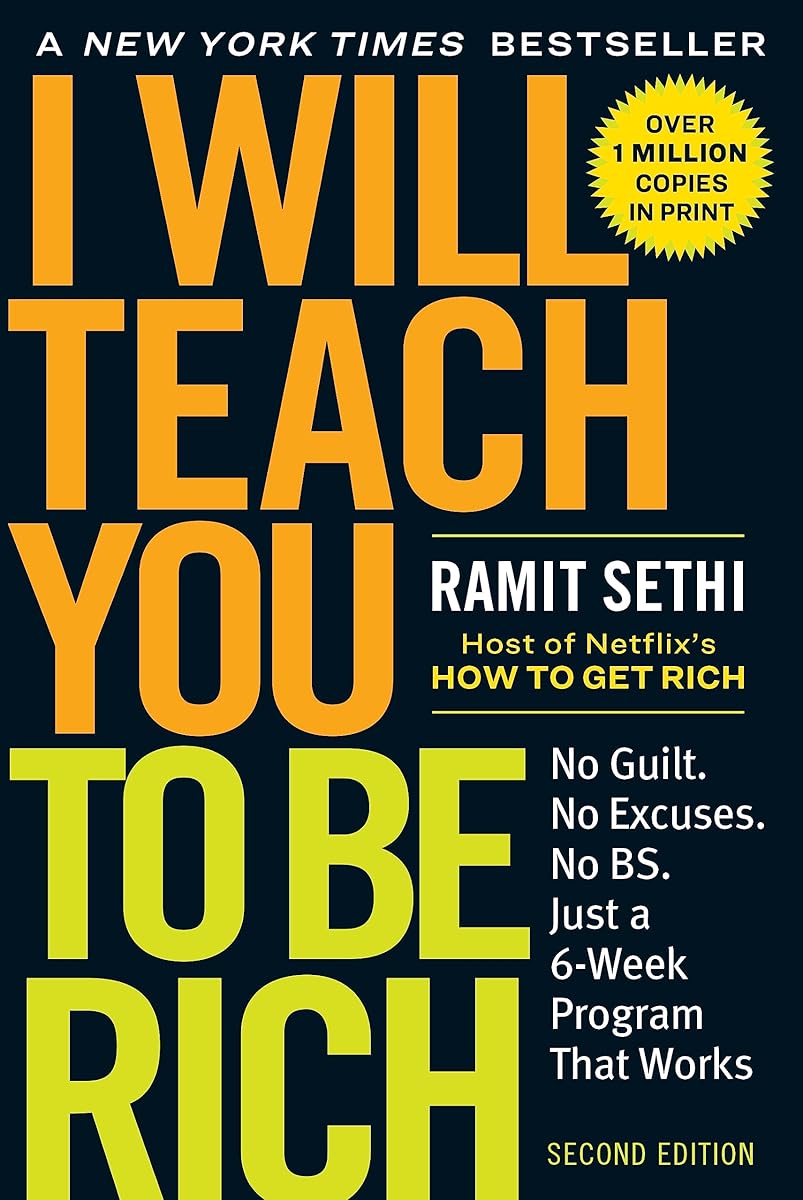
Choosing a personal finance book that delivers actionable results, not just theory
When evaluating personal finance books like Ramit Sethi's 'I Will Teach You to Be Rich,' buyers should focus on practical implementation over abstract concepts. This specific second edition emphasizes a structured 6-week program with updated financial strategies, distinguishing itself from generic advice books by offering concrete systems rather than inspirational platitudes.
Key Considerations Before Buying
- Assess whether the book's 6-week timeline aligns with your learning style and commitment level, as this structured approach requires consistent weekly engagement.
- Consider the author's credibility in providing updated financial advice, particularly regarding digital banking, investment platforms, and automation tools relevant to 2020s personal finance.
- Evaluate if the book's tone—described as 'no guilt, no excuses'—matches your motivational needs, as this direct approach differs significantly from gentler financial guides.
What Our Analysts Recommend
Quality personal finance books provide specific account recommendations, exact automation percentages, and actionable scripts for negotiating bills. Look for concrete implementation steps rather than vague principles, and prioritize books that address modern financial tools like robo-advisors and high-yield digital savings accounts.
Market Context
Market Overview
The personal finance book market is saturated with theoretical approaches, but few offer the systematic, week-by-week implementation that Sethi's second edition provides. Current trends favor practical automation strategies over traditional budgeting methods, with successful titles focusing on behavioral psychology alongside technical financial knowledge.
Common Issues
Many personal finance books offer contradictory advice, fail to address modern banking systems, or provide inspiration without concrete implementation steps. Readers frequently struggle with translating general principles into specific actions, particularly regarding investment account selection and bill negotiation tactics.
Quality Indicators
High-quality finance books reference specific financial institutions, provide exact percentage allocations for investments, and include scripts for difficult financial conversations. Look for updated editions that address current interest rate environments, tax-advantaged account changes, and digital banking innovations.
Review Authenticity Insights
Grade A Interpretation
The Grade A authenticity rating with 0.00% estimated fake reviews indicates exceptionally reliable feedback for this personal finance book. This suggests the 4.90/5 rating from 23,145 reviews represents genuine reader experiences rather than manipulated perceptions.
Trust Recommendation
Given the pristine authenticity metrics, you can trust that the overwhelmingly positive feedback reflects actual reader success with the 6-week program. Focus your evaluation on whether the specific automation strategies and direct communication style align with your financial personality and goals.
Tips for Reading Reviews
For this type of structured program, prioritize reviews that mention specific results like credit score improvements, automated savings percentages, or successful bill negotiations. Look for detailed implementation stories rather than general praise to gauge real-world applicability.
Expert Perspective
The exceptional 4.90/5 rating with perfect authenticity metrics suggests this second edition delivers on its promise of actionable financial education. The structured 6-week format addresses the common implementation gap in personal finance, while updated content reflects current financial landscapes. The consistency of positive feedback across thousands of reviews indicates the program's systematic approach resonates with diverse readers seeking concrete results rather than theoretical knowledge.
Purchase Considerations
Weigh whether you prefer Sethi's direct, automation-focused approach over more traditional budgeting methods. Consider if the specific financial institutions and tools recommended align with your existing accounts and comfort with digital banking. The program requires active weekly participation, so assess your willingness to implement rather than just read.
Comparing Alternatives
Shoppers should compare this automation-focused approach with behavioral-based systems like 'The Psychology of Money' or traditional budgeting methods in 'The Total Money Makeover' to find their optimal financial education style.


