Choosing a Teen Journal: Guided Prompts vs. Blank Pages for Growth Mindset Development
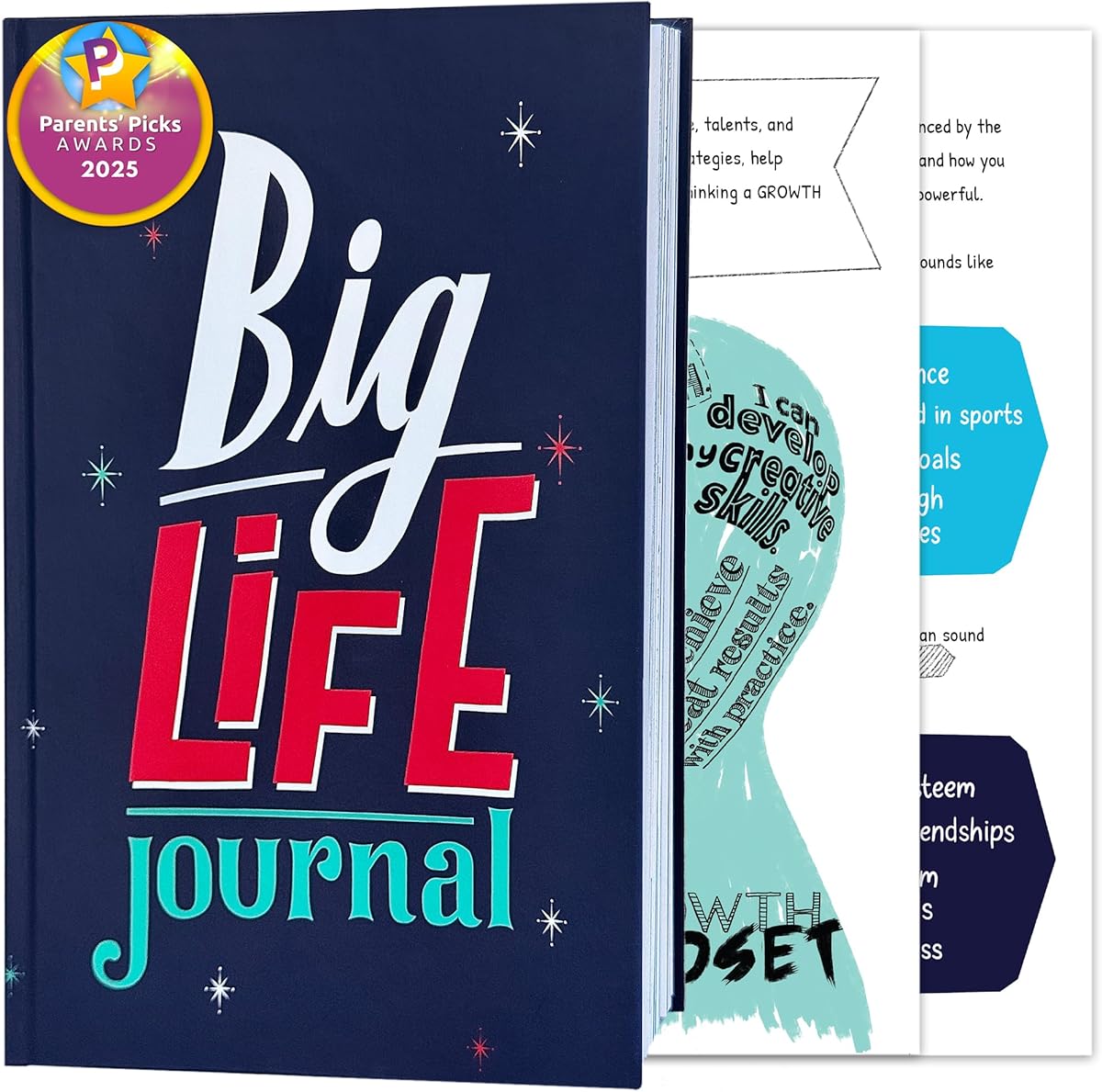
When selecting a guided journal for adolescents like the Big Life Journal, the structure of prompts and activities matters more than aesthetic design. This specific product combines growth mindset principles with gratitude practices through carefully sequenced exercises targeting ages 11-17, requiring evaluation of both psychological approach and engagement mechanics.
Key Considerations Before Buying
- Age-appropriate content depth is critical—this journal's prompts must resonate with both middle schoolers navigating social dynamics and high schoolers facing academic pressures without feeling childish.
- The binding and paper quality determine durability for a workbook meant for repeated use over months; spiral-bound journals like this one should withstand frequent page-turning without separation.
- Prompt variety prevents abandonment—look for balanced mix of reflection, creative expression, and actionable goal-setting rather than repetitive gratitude logging alone.
What Our Analysts Recommend
Examine whether prompts progress logically from self-awareness to outward application, as effective teen journals build skills sequentially. Quality indicators include research-backed psychological frameworks (growth mindset, CBT elements) translated into accessible language, and space for authentic expression rather than prescriptive responses.
Personal Organizers Market Context
Market Overview
The teen journal market has expanded beyond basic diaries to include therapeutic workbooks and guided organizers, with growth mindset journals representing a significant segment. Products like the Big Life Journal compete with both traditional blank journals and app-based alternatives, creating a hybrid category where physical interaction remains valued for cognitive processing.
Common Issues
Many guided journals fail due to overly simplistic prompts that teens quickly outgrow, or excessively clinical approaches that feel like homework. Binding failures in workbooks and insufficient writing space for adolescent handwriting are frequent physical complaints in this category.
Quality Indicators
Superior journals demonstrate developmental psychology understanding through age-tailored prompts, use durable paper that prevents bleed-through with various pens, and include both structured exercises and open-ended reflection areas. The most effective integrate visual elements without overwhelming the writing experience.
Review Authenticity Insights
Grade B Interpretation
A Grade B authenticity rating with 15% estimated fake reviews indicates generally reliable feedback with some inflated positivity. For this journal category, suspicious reviews often overemphasize dramatic behavioral changes in teens, whereas authentic reviews typically describe gradual engagement patterns.
Trust Recommendation
Focus on verified purchase reviews detailing specific prompt examples or teen reactions rather than generic praise. Given the 4.30 adjusted rating (down from 4.67), prioritize reviews discussing actual journal use over several weeks rather than first impressions.
Tips for Reading Reviews
Look for reviews mentioning particular sections like goal-setting pages or gratitude exercises, which indicate genuine use. Be skeptical of reviews claiming miraculous transformations—authentic feedback for developmental journals typically notes subtle shifts in communication or self-reflection habits.
Expert Perspective
The Big Life Journal's strong verified purchase rate and 4.30 adjusted rating suggest genuine satisfaction among its target demographic. Its specific age targeting (11-17) addresses a critical gap in journaling products that often lump teens with adults or younger children. The integration of growth mindset principles with concrete goal-setting provides theoretical grounding missing from purely decorative journals, though the 15% fake review rate warrants careful review scrutiny regarding claimed outcomes.
Purchase Considerations
Evaluate whether your teen prefers highly structured guidance versus open-ended journaling, as this product leans toward directed activities. Consider the journal's physical durability for backpack transport and whether its psychological approach aligns with your family's values around resilience building.
Comparing Alternatives
Compare prompt depth and page count with similar guided journals like the 'Start Where You Are' journal or 'The Five Minute Journal for Teens' to assess value relative to engagement style.