
Unlock 83 Piano Classics: Your Guide to Beginner-Friendly Arrangements
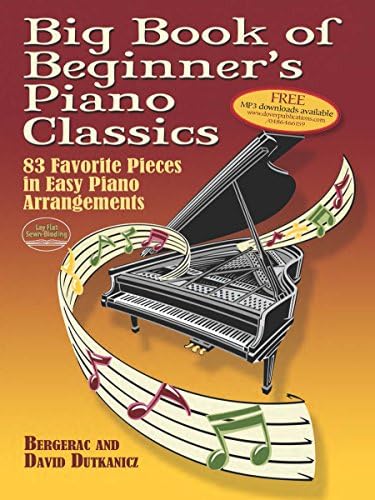
For adult beginners or returning players, 'Big Book of Beginner's Piano Classics' offers a curated library of 83 favorite pieces, from Beethoven to folk songs, all in simplified arrangements. This guide helps you evaluate if its easy piano format, downloadable MP3s, and focus on classics align with your learning goals, especially if you're seeking variety without overwhelming complexity.
Key Considerations Before Buying
- Evaluate the arrangement difficulty: The book uses 'easy piano' notation with simplified chords and single-note melodies, ideal for players with basic note-reading skills but may feel limiting for those ready for more complex fingerwork.
- Check the MP3 utility: The downloadable audio tracks let you hear each piece at a steady tempo, which is crucial for timing and phrasing practice, but ensure your device supports the format (typically MP3) and that you have a way to play along.
- Consider the repertoire breadth: With 83 pieces spanning Baroque to 20th-century, this book offers substantial variety, but note that selections are condensed—some movements or sections are omitted to keep arrangements short, which may disappoint purists.
What Our Analysts Recommend
Quality beginner piano books should have clear, readable notation with fingerings marked for tricky transitions, and ideally offer supplementary audio to model dynamics and tempo. The best editions also include a mix of well-known classics and lesser-known gems to sustain motivation, with arrangements that gradually increase in difficulty to build skills naturally.
Piano & Keyboards Market Context
Market Overview
The beginner piano book market is crowded with method books (like Alfred’s or Faber) and compilation books. 'Big Book of Beginner's Piano Classics' competes as a repertoire-focused option, distinct from lesson-based series, appealing to learners who want to play recognizable tunes quickly without a structured curriculum.
Common Issues
Many beginner piano books either oversimplify pieces to the point of losing musicality or include too few pieces to hold interest. Others lack audio support, leaving learners to guess at tempo and expression—a gap this book addresses with downloadable MP3s, though some users report inconsistent audio quality or missing tracks.
Quality Indicators
A high-quality beginner piano book offers accurate, well-edited scores (no wrong notes or missing accidentals), durable binding that lies flat, and arrangements that preserve the essence of the original piece. Look for editions with a clear difficulty progression, such as one-star to three-star ratings, and positive reviews from piano teachers who vouch for pedagogical value.
Review Authenticity Insights
Grade A Interpretation
With an A grade and only 5.00% estimated fake reviews, this product enjoys exceptionally authentic feedback. The 4.56/5 rating is reliable, bolstered by 3,506 reviews—most from verified purchasers who share specific contexts like teaching experience or adult learning journeys, indicating genuine satisfaction.
Trust Recommendation
You can confidently rely on the positive consensus here, but pay attention to the 4.40 adjusted rating, which slightly tempers the raw score. This suggests a few overly glowing reviews, but the overall sentiment is trustworthy, so focus on detailed reviews that mention specific pieces or arrangement quirks.
Tips for Reading Reviews
For piano books, prioritize reviews from verified purchasers who mention their skill level (e.g., 'I’ve been playing for 6 months') and whether they use the MP3s. Look for comments on print size, binding durability, and any missing or misprinted notes—these are common pain points that genuine reviews often highlight.
Expert Perspective
This compilation excels as a fun, low-pressure supplement for adult beginners or hobbyists who want to play recognizable classics without studying a method book. The 83-piece count offers excellent value, and the MP3s provide crucial audio guidance. However, its simplified arrangements may frustrate players seeking authentic chord voicings or longer versions, and the lack of a structured progression means it’s best used alongside a teacher or method series.
Purchase Considerations
Weigh your primary goal: if you want to play familiar tunes immediately and enjoy variety, this book is a strong choice. But if you need systematic skill-building or are preparing for exams, consider a graded method book instead. The MP3s are a standout feature, but ensure you have a device to play them—some users note the download process can be clunky.
Comparing Alternatives
Shoppers should compare this with 'First 50 Classics' (Hal Leonard) or 'The Easy Piano Collection: Classical Gold' for similar repertoire breadth, or with 'Alfred’s Basic Adult Piano Course' if they prefer a structured learning path with integrated theory.


