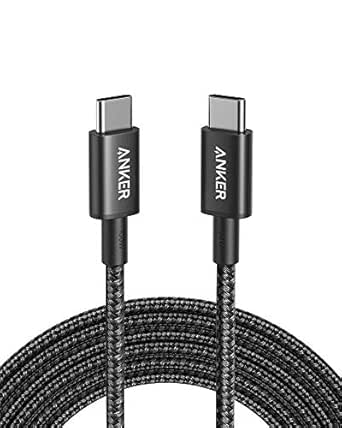
Choosing a VR Link Cable That Won't Drain Your Headset
A 5-meter link cable like the Kuject Design model is meant to tether a Quest 3S, Quest 3, Quest 2, or Quest Pro to a gaming PC while keeping the headset charged. The separate charging port is the feature that separates this cable from standard USB-C cables, so buyers should understand how that dual-connection design works before purchasing.
Key Considerations Before Buying
- Check the power delivery path: this cable uses a separate charging port alongside the USB 3.0 Type-A data connection, which means you need an available charger and outlet near your PC to actually benefit from the uninterrupted-power claim.
- Confirm length versus signal integrity: 5 meters is generous for room-scale VR, but longer passive USB 3.0 runs can suffer data dropouts, so verify your PC's USB port and the headset's link compatibility before relying on the full length.
- Match the cable to your headset generation: the listing covers Quest 3S/3, Quest 2, and Quest Pro, but charging wattage and link requirements differ across these models, so check that your specific headset is explicitly supported.
What Our Analysts Recommend
Look for explicit USB 3.0 data-rate claims, a clearly labeled separate charging input, and connector housings that can survive repeated bending at the headset end. Reinforced strain relief and a cable that holds its shape without memory kinks are practical signs of build quality in a tethered VR setup.
USB Cables Market Context
Market Overview
VR link cables have become a crowded accessory category as Quest owners look for wired PC VR without buying a dedicated headset. The market splits between simple USB-C data cables and dual-connection designs like this Kuject cable that add a charging port to offset headset battery drain during play.
Common Issues
The most frequent complaints in this category involve data dropouts over long runs, cables that fail at the headset connector after months of tugging, and charging ports that don't deliver enough wattage to keep the headset topped up. Buyers also report confusion when a cable works for charging but not for PC link, which usually traces back to USB 2.0 ports or insufficient bandwidth.
Quality Indicators
Quality link cables specify USB 3.0 throughput, use thicker gauge conductors for power, and show reinforced connectors at both ends. A separate charging port rated for the headset's charger wattage and a cable jacket that resists tangling are also meaningful indicators of a well-built product in this category.
Review Authenticity Insights
Grade A Interpretation
An A authenticity grade with an estimated 8% fake review rate is a strong result for a VR accessory, meaning the 5.00/5 displayed rating is largely backed by real buyers. The adjusted 4.80/5 rating still reflects genuine satisfaction, with the small gap suggesting only minor inflation from the suspicious minority.
Trust Recommendation
Shoppers can treat the review base as broadly reliable, but should still weigh the adjusted 4.80 rating over the perfect 5.00 headline. With 2,250 reviews and all marked as verified purchases, the volume gives reasonable confidence that reported performance reflects real-world use.
Tips for Reading Reviews
Focus on reviews that mention specific headsets, PC configurations, and how long the cable lasted, since those details are hard to fabricate. Pay attention to comments about the separate charging port's effectiveness, as that is the feature most likely to disappoint if expectations are mismatched.
Expert Perspective
The Kuject Design 5m link cable targets a real pain point: Quest headsets draining during wired PC VR sessions. Its dual-connection approach is a sensible design, and the authenticity analysis suggests the positive reviews are largely genuine rather than manufactured. The 5-meter length suits room-scale play, though buyers should confirm their USB 3.0 port can sustain data over that distance. Overall, it is a credible option for Quest owners who want wired link without battery anxiety.
Purchase Considerations
Weigh whether you have a spare charger and outlet near your PC, since the separate charging port only helps if you can power it. Also consider your play style: seated sim sessions benefit most from uninterrupted power, while highly active room-scale play puts more stress on the cable's connectors and jacket.
Comparing Alternatives
Compare this cable against single-connection USB 3.0 link cables and powered alternatives to see whether the separate charging port justifies the price for your setup.