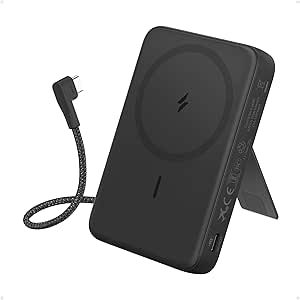
Choosing a 20000mAh 22.5W Power Bank: What to Know Before You Buy
When shopping for a high-capacity power bank like this 20000mAh model with 22.5W fast charging, you're balancing capacity, speed, and portability. This guide helps you evaluate whether this device meets your needs, focusing on real-world performance and features like USB-C PD and QC4.0 support.
Key Considerations Before Buying
- Capacity vs. size: 20000mAh offers multiple charges for most phones, but it's heavier and bulkier than smaller banks. Consider if you need that extra capacity or would prefer a lighter 10000mAh unit.
- Charging speed: 22.5W via USB-C PD is fast, but ensure your phone supports PD or QC to benefit. Check if the USB-C port is both input and output, as this model claims, for convenience.
- Compatibility: While it lists iPhone 17-12 and many Android devices, verify that your specific phone model supports the same fast-charging protocols (e.g., PD 3.0, QC 4.0) to get the fastest speeds.
What Our Analysts Recommend
Look for power banks with multiple output ports (USB-A and USB-C) and clear power ratings (e.g., 22.5W total output). Check for safety certifications (CE, FCC) and features like pass-through charging. Also, consider the build quality and whether the device has LED indicators for battery status.
Portable Power Banks Market Context
Market Overview
The portable power bank market is saturated, but demand for high-capacity, fast-charging models is growing as smartphones drain batteries quicker. 20000mAh is a sweet spot for travelers and heavy users, offering a good balance between capacity and portability.
Common Issues
Common issues include overstated capacity (actual output is less due to conversion losses), slower charging than advertised, and build quality problems like loose ports or overheating. Some users also report that the power bank doesn't support simultaneous fast charging on all ports.
Quality Indicators
Quality is often indicated by the use of reputable cells (e.g., LG, Samsung, Panasonic), efficient power conversion (80-90% efficiency), and robust charging protocols (PD 3.0, QC 4.0). Look for certifications and a warranty that covers defects.
Review Authenticity Insights
Grade B Interpretation
The Grade B and 15% fake review rate suggest that while the majority of reviews are genuine, a significant minority may be incentivized or fake. This means the 4.44 rating is slightly inflated; the adjusted 4.10 is more accurate. Be cautious of overly enthusiastic reviews that lack detail.
Trust Recommendation
Given the 15% fake rate, rely more on detailed reviews that mention specific charging speeds, build quality, and any issues. Verified purchase badges help, but not all verified reviews are genuine. Cross-reference with independent reviews on tech forums or YouTube.
Tips for Reading Reviews
Look for reviews that mention real-world scenarios like charging a phone from 0-100% with times, or testing with multiple devices. Be wary of reviews that are extremely brief or use generic praise. Also, check the one-star reviews for common complaints that may indicate widespread issues.
Expert Perspective
Based on the analysis, this power bank appears to be a functional, decent-quality product with a good capacity and fast-charging capabilities. The adjusted rating of 4.10 indicates that most users are satisfied, but there are minor concerns about consistency. The 15% fake review rate is a caution, but not a deal-breaker.
Purchase Considerations
Consider your specific needs: if you require a reliable, high-capacity power bank for travel or heavy use, this model could be a good value, especially if it's priced competitively. However, if you're sensitive to potential inconsistencies in charging speed or build quality, you might want to explore alternatives with higher authenticity grades.
Comparing Alternatives
Shoppers should compare this model with other 20000mAh power banks from established brands like Anker, RAVPower, or Xiaomi, which often have more consistent quality and lower fake review rates, though they may cost more.