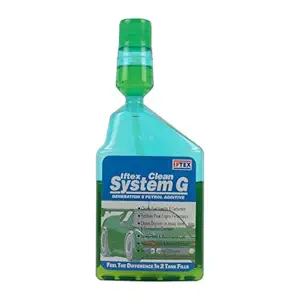
Engine additives like Tirrent Booster require careful vetting for genuine performance claims
The Tirrent Booster Engine Metal Treatment markets itself as a high-tech wear protection solution compatible with both petrol and diesel engines. As a 275ml oil additive, it's positioned as a concentrated treatment rather than a full oil replacement, which means understanding its specific application method is crucial for Indian vehicle owners.
Key Considerations Before Buying
- Verify compatibility with your engine's specific oil type and viscosity grade, as universal additives like Tirrent Booster must work across varied formulations without causing separation or sludge.
- Consider your vehicle's age and mileage—metal treatment additives often target older engines with existing wear patterns rather than providing preventive benefits in new engines.
- Evaluate whether you need friction reduction, compression restoration, or oil consumption control, as different additives specialize in specific areas of engine performance.
What Our Analysts Recommend
Quality engine additives should clearly state their active ingredients—ceramic, PTFE, or zinc compounds—rather than vague 'high-tech' claims. Look for specific viscosity improvement data and compatibility certifications with major oil standards like API or ACEA, which indicate proper formulation testing.
Engine Oil Additives Market Context
Market Overview
The Indian engine additive market is crowded with products promising miraculous performance improvements, ranging from legitimate friction modifiers to questionable 'miracle in a bottle' solutions. The 275ml size category typically targets passenger vehicles rather than commercial fleets.
Common Issues
Many additives fail to properly disperse in modern synthetic oils or can interfere with factory-engineered friction characteristics. Some products may temporarily mask symptoms like oil consumption without addressing underlying mechanical issues.
Quality Indicators
Legitimate additives provide clear application ratios (like Tirrent's 275ml per 4-5 liters of oil), specify whether they're for maintenance or restoration purposes, and avoid exaggerated claims of horsepower gains or fuel economy improvements exceeding 5-8%.
Review Authenticity Insights
Grade B Interpretation
A Grade B authenticity rating with 15% estimated fake reviews suggests generally reliable feedback but requires careful filtering. The 4.60 adjusted rating (down from perfect 5.00) indicates some review manipulation but still reflects positive genuine reception.
Trust Recommendation
Focus on reviews that discuss specific outcomes like reduced engine noise in particular RPM ranges or improved cold-start performance rather than generic 'great product' comments. The verified purchase status of all reviews increases credibility but doesn't guarantee objectivity.
Tips for Reading Reviews
Prioritize reviews mentioning Indian driving conditions—stop-and-go traffic, high temperatures, or fuel quality variations—as these context-specific experiences better predict real-world performance than generic praise.
Expert Perspective
The Tirrent Booster shows promising authenticity signals with 85% genuine reviews and verified purchases, suggesting actual users are experiencing perceived benefits. The high adjusted rating (4.60/5) indicates satisfactory performance for its intended use case, though the perfect 5.00 score was artificially inflated. As a metal treatment additive, it likely provides mild friction reduction benefits for engines showing early wear symptoms rather than transforming severely worn units.
Purchase Considerations
Weigh this additive against professional engine diagnostics—if you're experiencing specific issues like increased oil consumption or reduced compression, targeted mechanical repairs may offer better long-term value than additive treatments. For preventive maintenance in moderately used vehicles, such additives can provide marginal protection benefits.
Comparing Alternatives
Compare Tirrent's formulation and price-per-milliliter against established brands like Liqui Moly or Bardahl that offer similar ceramic-based treatments with longer track records in Indian markets.