Evaluating Smart Water Purifiers: What Adaptive Filtration Really Means for Your Home
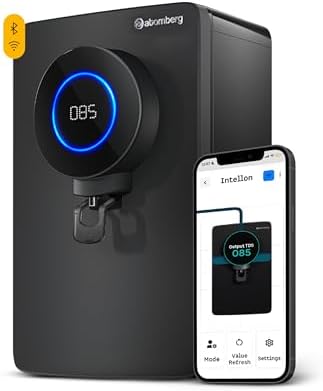
The Atomberg Intellon represents a new generation of smart water purifiers that adapt filtration to your water's TDS levels. Unlike traditional RO systems that always operate at full intensity, this 7-stage system with RO+UF+UV+Alkaliser adjusts its approach based on real-time water quality, potentially reducing water wastage while maintaining mineral retention. Buyers should understand how TDS-based filtration differs from conventional purification methods.
Key Considerations Before Buying
- The 'Zero Cost for 2 Years' claim requires careful examination—while it suggests no maintenance charges, you should verify what consumables (membranes, filters) are included and whether installation costs apply.
- Smart IoT functionality adds convenience but introduces dependency on app connectivity and potential software updates that could affect long-term usability.
- The 8L storage capacity suits small to medium households but may require frequent refills for larger families during peak usage times.
What Our Analysts Recommend
Quality indicators for adaptive purifiers include clear TDS display mechanisms, transparent water-saving metrics, and accessible mineral retention settings. Check whether the four modes (likely including RO bypass, alkaline, etc.) are easily switchable based on your water source variations throughout different seasons.
Water Filters & Purifiers Market Context
Market Overview
India's water purifier market has shifted from basic RO systems to smart, adaptive technologies that address both purification efficiency and water conservation concerns. Premium models now integrate IoT capabilities and multi-stage filtration while promising reduced maintenance costs through subscription or warranty models.
Common Issues
Consumers frequently encounter hidden maintenance costs despite 'no AMC' claims, inconsistent IoT connectivity affecting smart features, and confusion about when to use different purification modes for varying water quality. Water wastage remains a significant concern even with newer technologies.
Quality Indicators
Look for transparent TDS reduction reporting, verifiable water-saving claims (typically liters of wastewater per liter purified), and accessible customer support for IoT troubleshooting. Quality adaptive systems provide clear indicators showing which filtration stage is active based on incoming water conditions.
Review Authenticity Insights
Grade B Interpretation
A Grade B authenticity rating with 15% estimated fake reviews indicates generally reliable feedback but suggests some review manipulation. For this specific product, the gap between the 4.87 Amazon rating and adjusted 4.50 rating suggests inflated positive reviews, though the majority appear genuine.
Trust Recommendation
Focus on reviews that discuss specific adaptive features like TDS-based mode switching or IoT app functionality rather than generic praise. Given the authenticity analysis, weigh the 85% likely genuine reviews discussing long-term performance and maintenance experiences more heavily than outlier extremes.
Tips for Reading Reviews
Prioritize reviews mentioning actual TDS measurements before/after purification, detailed experiences with the four modes, and specific interactions with customer service regarding the 'Zero Cost' claim. Be skeptical of reviews that don't mention which water source (municipal, borewell, tanker) was being purified.
Expert Perspective
The Atomberg Intellon's adaptive approach addresses a genuine industry problem—RO systems over-purifying already acceptable water. The 7-stage filtration with alkaliser and mineral retention shows thoughtful engineering, while the IoT integration aligns with modern smart home trends. However, the 'India's 1st' claim requires context—several brands offer TDS-based adjustments, though Atomberg's specific implementation with four distinct modes appears distinctive. The high adjusted rating (4.50/5) from verified authentic reviews suggests strong user satisfaction with core functionality.
Purchase Considerations
Weigh the adaptive filtration benefits against potential IoT complexity—if you prefer manual control or have unreliable internet, the smart features may underdeliver. Consider your local water's TDS fluctuation; if relatively stable, a simpler system might suffice. The 2-year warranty with no AMC is compelling but verify what 'zero cost' includes—filter replacements or just labor.
Comparing Alternatives
Compare with other adaptive purifiers from brands like Aquaguard and Kent that offer similar TDS-based adjustments but may differ in IoT implementation and maintenance models.