
Choosing a USB-C to 3.5mm adapter: Why DAC quality and build durability matter
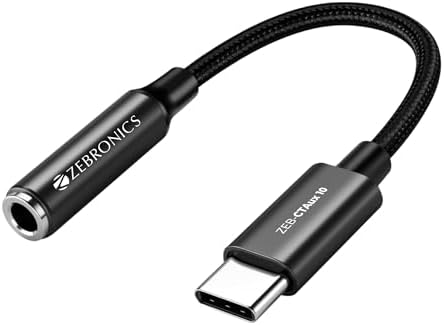
The ZEBRONICS CTAux10 represents a specific type of adapter: one with a built-in Digital-to-Analog Converter (DAC) chip, essential for modern phones lacking a dedicated audio jack. Unlike simple passive adapters, this product must actively convert digital signals, making component quality critical. Its metal body and braided cable are direct responses to common failure points in this category.
Key Considerations Before Buying
- DAC Chip Performance: The built-in DAC is the core component; its quality dictates audio clarity, volume output, and whether it introduces static or signal degradation, especially noticeable with higher-quality headphones.
- Microphone & Call Support: Verify the adapter supports both audio playback and microphone input simultaneously (CTIA standard) for hands-free calls and gaming, a feature not all adapters offer reliably.
- Physical Durability: The metal body and braided cable on this model specifically target the primary failure mode—cable fraying and connector breakage—common in cheaper plastic-bodied adapters.
What Our Analysts Recommend
For DAC-equipped adapters, prioritize mentions of clear audio without hiss and consistent microphone functionality in verified reviews. A metal housing and strain-relieved, braided cable are tangible indicators of better build quality aimed at longevity. Check for explicit compatibility notes with your specific device model, as performance can vary between iPhone and Android implementations.
Adapters Market Context
Market Overview
The USB-C to 3.5mm adapter market is flooded with options ranging from basic, dollar-store cables to premium DAC-equipped models. The shift is toward active adapters with integrated DACs, as most modern smartphones transmit only digital audio via USB-C.
Common Issues
Common failures include fragile cables that fray at the connector, DAC chips that produce audible static or insufficient volume, and adapters that fail to pass microphone signals, rendering them useless for calls. Inconsistent compatibility, particularly with certain Samsung or OnePlus devices, is also frequently reported.
Quality Indicators
Look for explicit mention of a built-in DAC, support for CTIA (mic+audio) standard, and robust construction materials like aluminum housings and nylon-braided cables. Verified purchaser reviews detailing use over several months are more valuable than initial impressions for assessing durability.
Review Authenticity Insights
Grade B Interpretation
A Grade 'B' with an estimated 11% fake review rate suggests the majority of the 3,700 reviews are credible, but a modest portion may be inauthentic. The adjusted rating of 3.50/5 (down from 3.67) indicates that removing suspicious feedback slightly lowers the score, pointing to more genuine mixed experiences.
Trust Recommendation
Focus on the verified purchase reviews, which form the bulk of the feedback. Pay particular attention to 3-star reviews, as they often detail specific, balanced pros and cons regarding audio quality, mic function, and durability over time.
Tips for Reading Reviews
Filter reviews for terms like 'static,' 'mic not working,' 'stopped working after X months,' and 'volume low.' Look for reviews that mention specific device pairings (e.g., 'with my Samsung S23' or 'iPhone 15') to gauge compatibility relevant to your own gear.
Expert Perspective
The ZEBRONICS CTAux10's specifications—integrated DAC, metal body, braided cable—directly address the core weaknesses of budget adapters. The 3.5/5 adjusted rating from a large pool of mostly genuine reviews is telling: it signifies a product that works adequately for many but has notable inconsistencies, likely in DAC performance or long-term durability, preventing higher acclaim. The high review volume itself indicates strong market demand and real-world testing.
Purchase Considerations
Weigh the robust physical construction against the middling performance rating. If your primary need is a durable adapter for casual listening and calls on compatible devices, this is a viable option. If you require pristine audio fidelity for high-impedance headphones or have a device known for compatibility quirks, proceed with caution and closely study device-specific reviews.
Comparing Alternatives
Shoppers should compare this model's price and feature set against established brands like Apple's official adapter (for iPhones) or options from Anker or UGREEN, which may offer more consistent performance at a similar price point.

![Lightning to 3.5 mm Headphone Jack Adapter, 2 Pack [Apple MFi Certified] iPhone 3.5 mm Headphone Earphone Jack Aux Audio and Charger Splitter Dongle Adapter for iPhone 14 13 12 11 Pro Max XS XR X 8 7](https://m.media-amazon.com/images/I/61vlrTCN5nL._AC_SY300_SX300_QL70_FMwebp_.jpg)

![JSAUX Headphone Adapter for iPhone Lightning to 3.5mm Adapter [Apple MFi Certified] Compatible with iPhone 14 Pro Max/14 Plus/13 12 11 Pro Max/SE/XS-Red](https://m.media-amazon.com/images/I/71E-aYE81HL._AC_SL1500_.jpg)


