
Evaluating Sea Buckthorn Concentrates: What Himalayan Cold-Pressed Claims Really Mean
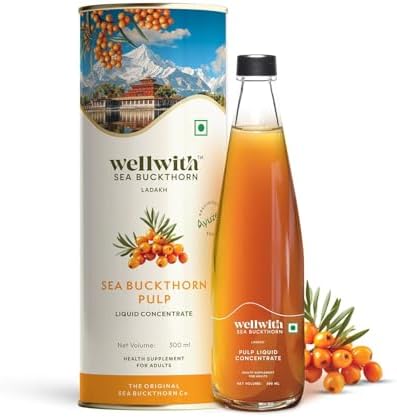
When considering this Ayuzera sea buckthorn pulp concentrate, buyers should understand that 'cold-pressed' refers specifically to the extraction method that preserves heat-sensitive nutrients like vitamin C and omega fatty acids. The 300ml bottle designed to make 50 glasses indicates a high dilution ratio, which is typical for potent concentrates but requires careful mixing for consistent flavor and benefit delivery.
Key Considerations Before Buying
- Sea buckthorn's natural tartness means this concentrate will likely require sweetening or blending—authentic reviews mention this characteristic, while suspicious ones often omit this crucial taste detail.
- The 'makes 50 glasses' claim depends heavily on personal dilution preference; some users may find the recommended serving too weak or strong for their taste and health goals.
- Himalayan sourcing suggests wild-harvested berries, which should theoretically have higher nutrient density than cultivated varieties, though this is difficult to verify without third-party testing documentation.
What Our Analysts Recommend
Quality sea buckthorn concentrates should have a vibrant orange-red color and separation of oil and pulp layers—signs of minimal processing. The ingredient list should be singular (sea buckthorn pulp) without added sugars, preservatives, or artificial vitamin fortification that would contradict 'natural' claims. Check for manufacturing dates, as the high omega content makes these products susceptible to oxidation over time.
Fruit Juice Market Context
Market Overview
The functional juice concentrate market has expanded rapidly, with sea buckthorn gaining popularity for its unique omega-7 (palmitoleic acid) profile not found in most fruits. Indian-produced concentrates like this Ayuzera product compete with European and Chinese offerings, often at lower price points but with varying quality standards.
Common Issues
Many sea buckthorn products suffer from inconsistent pulp-to-oil ratios between batches, leading to variable nutrient delivery. Some concentrates use heat pasteurization despite 'cold-pressed' claims, degrading heat-sensitive compounds. The extreme tartness of sea buckthorn also leads to high abandonment rates when consumers aren't prepared for the flavor profile.
Quality Indicators
Authentic cold-pressed sea buckthorn should maintain some sediment and oil separation—overly homogenized products may indicate extensive processing. Look for products stored in dark glass bottles (like this 300ml offering) to prevent light degradation of antioxidants. Reputable brands provide batch testing for vitamin C and fatty acid content rather than just making general claims.
Review Authenticity Insights
Grade D Interpretation
The D authenticity grade and 42% estimated fake review rate for this Ayuzera product mean nearly half the positive feedback may be inauthentic. The significant drop from the displayed 4.53/5 to the adjusted 3.60/5 rating suggests manufactured reviews are artificially inflating perception.
Trust Recommendation
Focus on the critical and 3-star reviews that mention specific details like mixing challenges, tartness management, or digestive effects—these likely represent genuine experiences. Be particularly skeptical of reviews repeating identical phrasing about 'skin glow' or 'immunity boost' without personal usage context.
Tips for Reading Reviews
For this concentrate, prioritize reviews discussing dilution ratios (how much water they use per serving), storage observations (oil separation patterns), and taste adaptation over time. Authentic reviews often mention the product's intense color staining containers or the need to shake vigorously before use—practical details fake reviews typically omit.
Expert Perspective
The Ayuzera concentrate presents a concerning discrepancy between its displayed ratings and adjusted authenticity score, suggesting potential review manipulation that undermines trust. While sea buckthorn offers legitimate nutritional benefits, the product's value proposition depends heavily on whether the Himalayan sourcing and cold-pressed claims hold true—neither easily verifiable by end consumers. The 1534-review volume with a D authenticity grade indicates possible systematic review generation rather than organic growth.
Purchase Considerations
Weigh the attractive price point against the authenticity concerns and consider whether you're comfortable purchasing a product with significant review integrity issues. The concentrate format offers economic and storage advantages over ready-to-drink options, but requires commitment to regular preparation. Those new to sea buckthorn might benefit from trying a smaller quantity or more transparently reviewed brand first.
Comparing Alternatives
Shoppers should compare this product's price-per-serving and ingredient transparency against other sea buckthorn concentrates with better authenticity grades, particularly noting processing methods and sourcing details.


