
Choosing a High-Capacity Tower Extension Board for Indian Voltage Needs
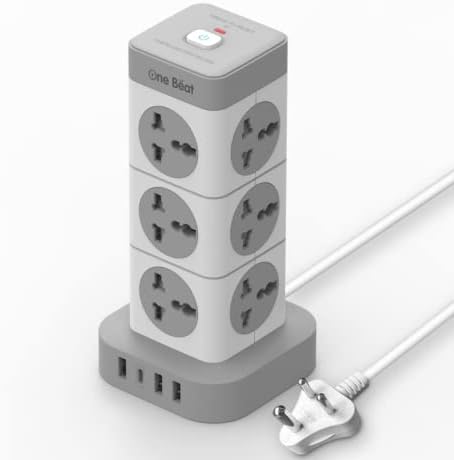
The One Beat Tower Extension Board offers a specific solution for users needing to power multiple devices simultaneously in India's 250V electrical environment. This vertical tower design with 12 AC sockets, 3 USB-A ports, and 1 USB-C port represents a high-density power management product that requires careful evaluation of its layout and charging capabilities.
Key Considerations Before Buying
- The vertical tower design saves horizontal desk space but requires assessing whether the socket arrangement allows simultaneous use of bulky adapters without blocking adjacent ports.
- With 4 dedicated charging ports (3 USB-A + 1 Type-C), verify the total smart charging output (typically 15-25W combined) matches your device charging needs, particularly for modern smartphones and tablets.
- The 250V/13A rating is standard for India, but ensure the build quality includes surge protection and thermal cut-off features given the high socket density and potential for continuous load.
What Our Analysts Recommend
Examine the spacing between AC sockets—quality tower boards maintain at least 40mm center-to-center distance to accommodate standard Indian plugs. Check for individual socket switches and indicator lights, which the One Beat includes, as these provide control and status visibility for each connected device. The presence of child safety shutters on unused sockets is another critical safety feature in the Indian market.
Power Strips Market Context
Market Overview
The Indian power strip market has evolved significantly from basic extension cords to integrated charging solutions, with tower designs gaining popularity for space-constrained urban homes and offices. Products like the One Beat compete in a segment where consumers increasingly demand both traditional socket access and modern USB charging in single units.
Common Issues
Users frequently report socket overcrowding where adjacent ports become unusable with larger adapters, and inconsistent USB charging speeds that don't meet advertised specifications. Thermal management is another concern with high-density boards under continuous load, particularly in India's warmer climates where heat dissipation matters.
Quality Indicators
Look for ISI certification marks, fire-retardant ABS plastic construction (preferably V0 rated), and copper-alloy internal components rather than aluminum. Quality tower boards feature individual fuse protection per socket bank and clearly marked maximum load ratings (usually 3120W at 250V). The inclusion of a master switch with neon indicator, as seen on the One Beat, adds operational convenience and safety.
Review Authenticity Insights
Grade B Interpretation
A Grade B authenticity rating with 11% estimated fake reviews indicates predominantly genuine feedback with moderate review manipulation. For this specific product, the adjusted rating of 4.20/5 (down from 4.44/5) suggests authentic satisfaction is slightly lower than the raw average shows, but still reflects positive reception.
Trust Recommendation
Focus on reviews that mention specific usage scenarios common in Indian households—charging multiple phones simultaneously, powering computer setups, or use during frequent power fluctuations. Be particularly attentive to reviews discussing long-term durability (3+ months) and performance during summer months when thermal stress is highest.
Tips for Reading Reviews
Prioritize reviews that mention the actual spacing between sockets when multiple Indian 3-pin plugs are inserted, as this is a practical concern with tower designs. Look for mentions of USB-C charging performance with modern Android devices, and note any comments about the stability of the tower design when fully loaded with cables.
Expert Perspective
The One Beat Tower Extension Board represents a competent high-density solution for the Indian market, with its 4.20 adjusted rating indicating genuine user satisfaction. The combination of 12 AC sockets with USB charging addresses the core need for consolidated power access in space-constrained environments. The vertical design is particularly relevant for Indian workstations where desk real estate is limited but device count is high. The inclusion of both traditional and modern charging options shows product development aligned with current device ecosystems.
Purchase Considerations
Consider your specific device mix—if you primarily charge via USB-C, the single Type-C port may become a bottleneck. Evaluate whether the tower's footprint works with your furniture layout, as some users find rear cable management challenging with vertical designs. For households with frequent power fluctuations, verify whether additional surge protection devices are needed despite the board's built-in protections.
Comparing Alternatives
Compare socket spacing and USB output specifications with similar tower designs from brands like GM or Anchor, particularly regarding combined smart charging wattage and individual port control.


