
Choosing a Mini Otoscope for Home Ear Exams That Actually Works
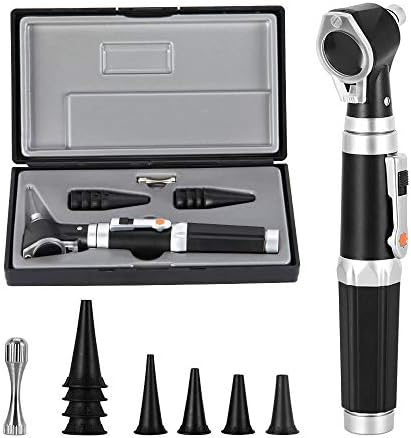
A mini otoscope like this LED-illuminated ear scope promises clinical-grade ear inspection at home, but magnification quality and light output vary widely. Since this model is marketed for everyone from doctors to pet owners, understanding what separates a usable diagnostic tool from a toy is essential before you buy.
Key Considerations Before Buying
- Magnification and lens clarity matter more than the spec sheet suggests—a 3x to 5x magnification with a coated lens lets you actually see wax, redness, or eardrum detail, while cheap plastic lenses distort and blur the view.
- LED illumination should be bright, white, and evenly distributed; a weak or yellowish light makes it hard to distinguish healthy tissue from irritation, especially in the narrow ear canal of a child or pet.
- Consider the speculum (funnel tip) sizes included—adults need a larger tip, while babies, small children, and pets require smaller, rounded tips to avoid discomfort or injury during insertion.
What Our Analysts Recommend
Prioritize otoscopes with a securely attached, replaceable speculum and a focused light beam that doesn't scatter. Check whether the device uses standard batteries or rechargeable power, and look for smooth, rounded edges on the ear tips—these details signal a device designed for safe, repeated home use rather than a novelty gadget.
Ear Care Market Context
Market Overview
Home ear-care tools have surged in popularity in India as telehealth and at-home diagnostics grow, with mini otoscopes now sold alongside thermometers and pulse oximeters. The market ranges from clinical-grade devices to inexpensive plastic scopes, so price alone doesn't reliably indicate diagnostic accuracy.
Common Issues
Buyers frequently complain about dim or uneven lighting, flimsy specula that detach mid-exam, and magnification that's too weak to see anything meaningful. Another recurring issue is poor battery life or hard-to-find button cells, which can leave the device unusable when you need it most.
Quality Indicators
A quality mini otoscope has a sturdy body with a tight-fitting lens assembly, a consistently bright LED, and multiple speculum sizes clearly labeled. Look for listings that specify magnification power and battery type, and favor devices with replaceable tips—a sign the manufacturer expects real, hygienic use.
Review Authenticity Insights
Grade B Interpretation
A Grade B authenticity rating with an estimated 15% fake review rate means most of the 2,739 reviews are genuine, but a noticeable minority may be low-quality or generic. The adjusted rating of 4.20/5 (down from 4.56) suggests that when suspicious reviews are filtered out, the product still performs well but with more mixed feedback than the raw score implies.
Trust Recommendation
Treat the 4.20 adjusted rating as the more honest signal and read reviews that mention specific use cases—like checking a child's ear or a pet's canal—rather than short praise. Since all reviews are verified purchases, focus on detailed verified reviews that describe the light brightness and tip fit, as these are the most reliable indicators of real-world performance.
Tips for Reading Reviews
For ear-care devices, prioritize reviews that mention magnification clarity, LED brightness, and speculum comfort, since these directly affect usability. Be skeptical of reviews that only say 'good product' without context, and look for mentions of battery life or durability over time to gauge long-term value.
Expert Perspective
This mini otoscope earns a solid but not exceptional position in the home ear-care market: a 4.20 adjusted rating across nearly 2,700 verified reviews indicates most buyers find it functional for basic inspection. Its broad marketing to doctors, families, and pet owners is ambitious—clinical professionals will likely want higher-grade optics, but households seeking a budget-friendly tool for occasional checks will find it serviceable. The 15% estimated fake review rate is a caution flag but not a dealbreaker given the large verified sample.
Purchase Considerations
Weigh whether you need occasional home checks versus frequent use—this device suits the former, but heavy users or those needing precise diagnostics should invest in a clinical otoscope. Also confirm the included speculum sizes match your household (children and pets need smaller tips) and check battery availability in your area before buying.
Comparing Alternatives
Compare this model with other mini otoscopes that specify magnification power and offer replaceable specula, as those features often separate reliable devices from disposable ones.


