
Choosing a Wall-Mount Pull-Up Bar: Installation, Load Capacity, and Space Requirements
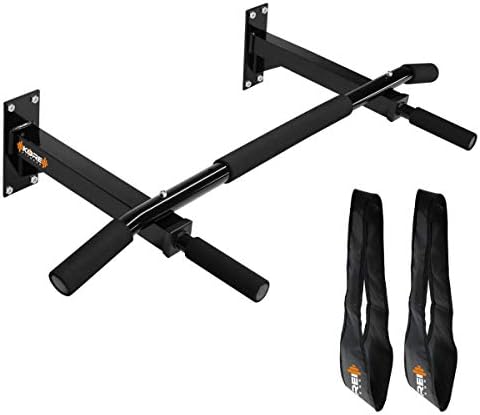
When selecting a wall-mounted pull-up bar like the Kore K-WM-CHINUP-BAR-SR-ABS, focus on three critical factors: your wall's structural integrity, the 38-inch top rod's suitability for your grip width, and whether the 120kg maximum load accommodates your weight plus dynamic force. This combo includes ab straps, adding versatility but requiring proper mounting height for full-range exercises.
Key Considerations Before Buying
- Wall compatibility is non-negotiable—this bar must be mounted into solid concrete, brick, or structural studs, not plaster or hollow walls, to safely handle the 120kg dynamic load during kipping pull-ups.
- The 38-inch top rod length dictates your hand placement; measure to ensure it provides your preferred grip width (wide, neutral, or close) without interfering with doorways or adjacent walls.
- The included ab straps change the required vertical clearance; you need sufficient space beneath the bar for full hanging leg raises without hitting the floor.
What Our Analysts Recommend
For wall-mounted bars, prioritize models with through-bolt mounting systems (like this Kore's) over weaker screw-in brackets. Check that foam grips are dense and non-slip, not thin and compressible, and verify that all welded joints are clean and reinforced at stress points, particularly where the vertical supports meet the top rod.
Pull-Up Bars Market Context
Market Overview
In India's fitness equipment market, wall-mounted pull-up bars represent a permanent, space-efficient solution favored over doorway models that damage frames or have weight limitations. The combo trend—bars bundled with ab straps—addresses demand for multi-functionality in compact home gyms.
Common Issues
Installation failures dominate complaints, often from users mounting into unsuitable walls or using incorrect anchors. Premature foam grip deterioration and strap attachment point wobble are also frequent, alongside confusion about load ratings—120kg must include your body weight plus movement momentum.
Quality Indicators
Superior bars feature cold-rolled steel construction (not hollow tubing), rust-resistant powder coating (not paint), and include high-grade expansion bolts for masonry. Quality ab straps have triple-stitched nylon, robust carabiners, and adjustable loops—not just sewn webbing.
Review Authenticity Insights
Grade B Interpretation
A Grade B with 15% estimated fake reviews indicates generally reliable feedback but suggests some incentivized positivity. The drop from 4.11 to 3.80 when excluding suspicious reviews is significant—expect genuine satisfaction to be solid but not exceptional.
Trust Recommendation
Prioritize verified purchase reviews discussing specific installation details (wall type, tools used) or long-term use (6+ months). Be skeptical of overly vague praise about 'sturdiness' without context or reviews that don't mention the ab straps in a combo product.
Tips for Reading Reviews
Focus on reviews mentioning concrete wall installation and load testing with actual body weight. Look for photos showing the mounted bar and strap attachment; these typically indicate authentic, hands-on experiences rather than promotional content.
Expert Perspective
The Kore bar's 120kg rating and through-bolt design position it as a mid-tier option for dedicated home gyms, not temporary setups. The 3.80 adjusted rating reflects real-world experiences where proper installation yields satisfaction, while improper mounting leads to failure. The bundled ab straps add value but require careful attention to mounting height—often overlooked in reviews.
Purchase Considerations
Only consider this if you have suitable solid walls and are committed to permanent installation. Assess your ceiling height: the bar extends approximately 18-20cm from the wall, and you need clearance for full hangs. The 38-inch width suits average users but may feel narrow for very broad-shoulder individuals seeking wide-grip pull-ups.
Comparing Alternatives
Compare with bars offering wider grip ranges (45+ inches) or higher load capacities (150kg+) if you're heavier or perform dynamic movements, and scrutinize strap quality—some combos use inferior webbing that frays quickly.


