Mastering the 3-Litre Pressure Cooker: Key Buying Insights for Indian Kitchens
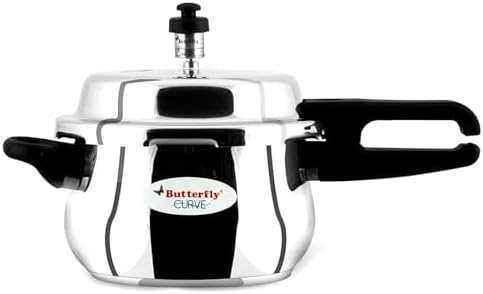
When shopping for a 3-litre pressure cooker, especially one with a triply base and stainless steel outer lid like the Butterfly Curve, you need to balance size, safety, and compatibility with your stove. This size is ideal for small to medium families, and the triply base ensures even heating on both gas and induction, making it a versatile kitchen essential.
Key Considerations Before Buying
- Material and Build: The stainless steel outer lid and triply base are crucial for durability and heat distribution. Ensure the base is thick enough (typically 3-ply) to prevent hotspots and sticking, especially if you use induction regularly.
- Safety Features: Look for multiple safety mechanisms—like a pressure regulator, safety valve, and gasket release system. The Butterfly Curve's 'Triple Safety' is a plus, but verify that these features are ISI certified and easy to operate.
- Capacity and Usage: A 3-litre cooker suits 2-3 people, perfect for dal, rice, and curries. Consider the size of your family and cooking habits; if you often cook larger batches, a 5-litre might be more practical.
What Our Analysts Recommend
In a pressure cooker, check for a sturdy handle that stays cool, a tight-fitting lid with a clear locking mechanism, and a warranty that covers manufacturing defects. The ISI mark is non-negotiable for safety compliance, and a 5-year warranty, like the one offered here, indicates manufacturer confidence.
Pressure Cookers Market Context
Market Overview
The Indian pressure cooker market is dominated by trusted brands like Butterfly, Hawkins, and Prestige, with a growing shift towards triply and induction-compatible models. Consumers increasingly prioritize versatility, as many households use both gas and induction stoves, making dual compatibility a key selling point.
Common Issues
Common problems reported include handle breakage, gasket failure, and safety valve malfunctions after months of use. Also, some users find that triply base cookers are heavier and require careful handling, especially when full of food.
Quality Indicators
Quality is often indicated by the thickness of the base, the precision of the lid seal, and the responsiveness of the safety valves. Look for certifications like ISI and check user reviews for long-term durability, especially regarding handles and pressure release mechanisms.
Review Authenticity Insights
Grade B Interpretation
The Grade B rating and 15% estimated fake review percentage suggest that while most reviews are genuine, a significant minority may be incentivized or overly positive. This means you can trust the overall 4.11 rating but should be cautious of overly enthusiastic short reviews that lack specific details.
Trust Recommendation
Given the 15% fake rate, focus on detailed reviews that mention specific usage scenarios, such as cooking times, induction performance, or any issues after a few months. Ignore one-liner praises and pay special attention to critical reviews that highlight safety or durability concerns, as these are likely authentic.
Tips for Reading Reviews
For pressure cookers, read reviews that describe the product's behavior under daily use—like how quickly it cooks, if the whistle is consistent, and how easy it is to clean. Also, check for reviews with photos, as they often provide real-world evidence of build quality and size.
Expert Perspective
The Butterfly Curve 3 Litre with triply base is a solid choice for small families, offering good induction compatibility and a robust build typical of Butterfly products. The 4.11 rating, even with a 15% fake review adjustment, indicates decent user satisfaction, but the 3.80 adjusted score suggests some genuine concerns about durability. The triple safety and ISI certification are reassuring, but the 5-year warranty is a strong indicator of expected longevity.
Purchase Considerations
Before buying, weigh the capacity against your cooking needs and confirm that the triply base performs well on your specific induction hob. Also, consider the weight of the cooker, as stainless steel triply models can be heavy, which might be a drawback for some users. If you prioritize a lightweight option, you might prefer a conventional aluminium cooker, but you'd sacrifice induction compatibility.
Comparing Alternatives
Shoppers should compare this model with similar 3-litre triply cookers from Hawkins and Prestige, which also offer induction compatibility and safety features. Prices and warranty terms vary, so check current offers to ensure you're getting the best value.