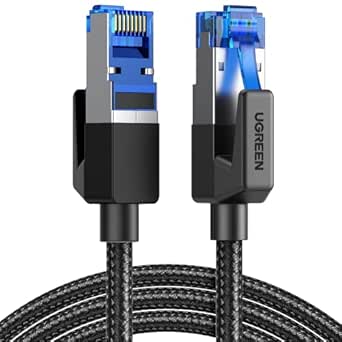
Cat6 Cables: Separating True 10Gbps Performance from Marketing Hype
A Cat6 patch cable like this 5m model promises 10Gbps speeds, but real-world performance depends on build quality and correct installation. With a 4.0-star average from over 1,800 reviews, it's worth understanding what separates a reliable cable from one that fails under load.
Key Considerations Before Buying
- Cable length matters: 5m is short enough to maintain signal integrity for 10Gbps over Cat6, but avoid coiling excess cable tightly or running it alongside power lines, which can introduce interference.
- Check the connector quality: Look for gold-plated contacts and a molded strain relief; cheap RJ45 plugs often fail at the clip or wire termination, causing intermittent connectivity.
- Verify the specification: True Cat6 cable should be labeled as 23AWG or 24AWG solid copper (not CCA), and rated for 550MHz; this ensures it can handle 10Gbps up to 55 meters.
What Our Analysts Recommend
Inspect the cable jacket for a UL or ETL verification mark and a printed Cat6 specification. Quality cables use bare copper conductors, not copper-clad aluminum, which has higher resistance and can degrade performance over distance. Also, check that the cable is snagless or has a boot to protect the clip during installation.
Ethernet Cables Market Context
Market Overview
The Ethernet cable market is flooded with low-cost options, many of which use copper-clad aluminum (CCA) instead of solid copper to cut costs. While CCA can work for short runs, it's not suitable for PoE or long-distance 10Gbps, and it's more prone to breakage. Consumers should be wary of cables that claim Cat6 performance without specifying conductor material.
Common Issues
Common complaints in this category include cables that fail to deliver advertised speeds, connectors that break easily, and misleading labeling (e.g., Cat6 advertised but actually Cat5e). Another frequent issue is incorrect wire mapping or poor shielding, leading to dropped packets and slow transfers. With this product, some reviewers reported product failures and incorrect shipments, which aligns with typical quality control issues in budget cables.
Quality Indicators
A quality Cat6 cable will have clear specification printing on the jacket, including gauge and verification. The connectors should feel solid and mate securely with a positive click. Look for reviews that mention sustained speed tests or PoE usage, as these indicate real-world performance. Avoid cables with unusually thin jackets or overly flexible construction, which may signal CCA conductors.
Review Authenticity Insights
Grade B Interpretation
A Grade B authenticity rating with an estimated 15% fake reviews means most reviews are genuine, but a noticeable minority may be incentivized or exaggerated. The adjusted rating of 3.70 (down from 4.00) suggests that after removing suspicious reviews, the product's true satisfaction level is lower, so expect a mix of positive and negative experiences.
Trust Recommendation
Focus on reviews that mention specific technical details, such as speed tests, cable length, or installation scenarios, as these are harder to fake. Pay attention to verified purchases and reviewers who report both pros and cons. Given the 15% fake rate, discount overly glowing reviews that lack substance and give more weight to detailed critical reviews.
Tips for Reading Reviews
When reading reviews for Ethernet cables, look for mentions of actual data transfer speeds, durability over time, and compatibility with devices. Be skeptical of reviews that only say 'works great' without context. Also, check for patterns in negative reviews—if multiple people report the same failure (e.g., broken clips or slow speeds), that's a red flag.
Expert Perspective
This Cat6 cable offers a tempting combination of length and claimed 10Gbps speed at a likely low price, but the adjusted rating of 3.70 indicates that quality is inconsistent. While many users may receive a functional cable, the presence of product failures and incorrect shipments in reviews suggests you should be prepared to test it upon arrival. For basic home networking, it may suffice, but for critical or high-performance setups, a more reputable brand is advisable.
Purchase Considerations
Consider your use case: if you need a reliable cable for gaming or large file transfers, invest in a cable from a known brand with solid copper conductors. If you're on a tight budget and only need a short run for basic internet, this cable could work, but verify the return policy in case of defects. Also, check whether the cable is rated for in-wall use if you plan to run it through walls.
Comparing Alternatives
Before purchasing, compare with similar Cat6 cables from brands like AmazonBasics, Cable Matters, or Monoprice, which often have more consistent quality control and clearer specifications.