
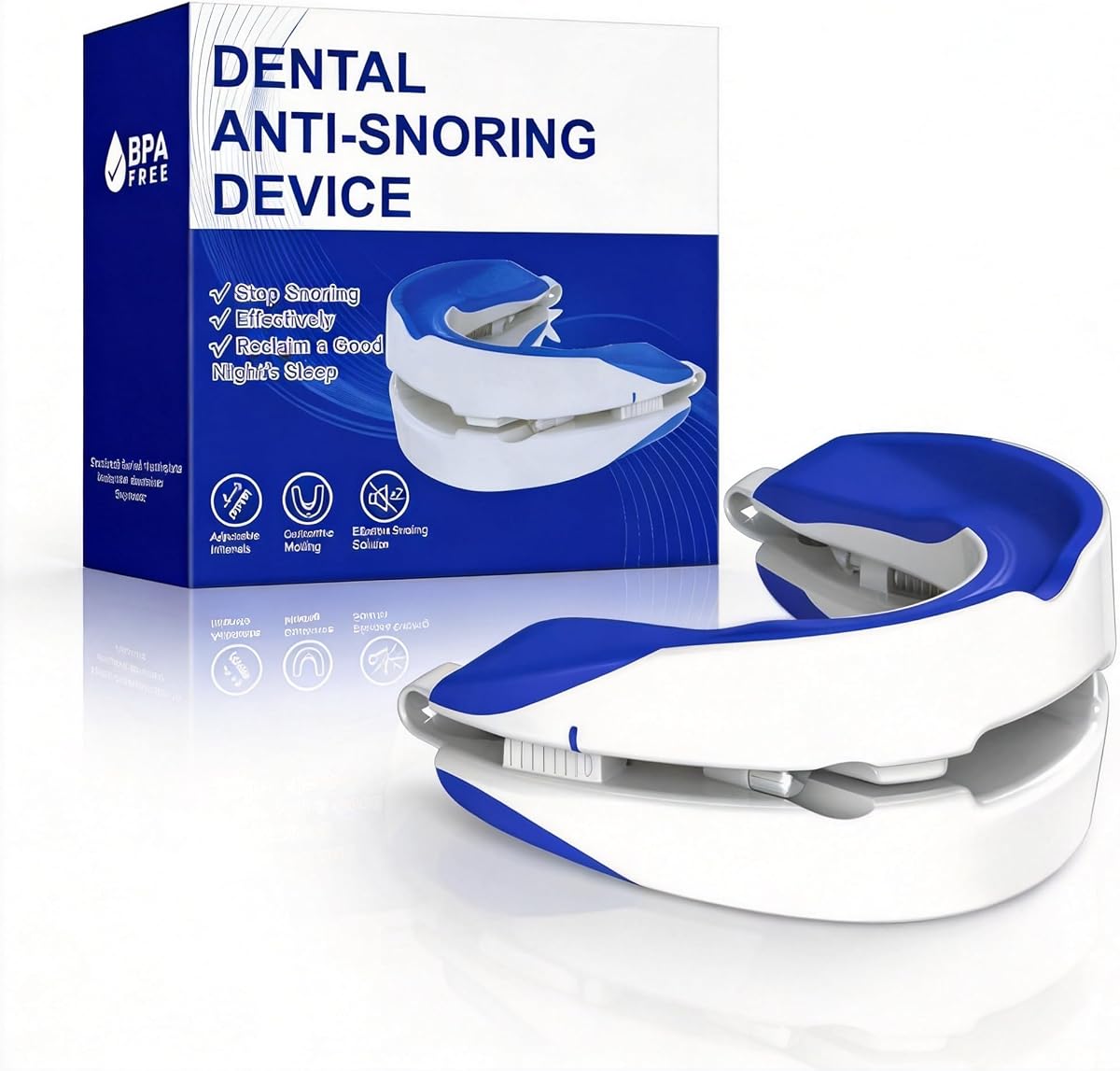
Adjustable Mouth Guards: What to Know Before You Buy
An adjustable anti-snoring mouth guard works by gently repositioning the lower jaw forward to keep the airway open during sleep. Unlike fixed boil-and-bite devices, adjustable models let you fine-tune the protrusion, which matters because the ideal jaw position varies from person to person.
Key Considerations Before Buying
- Adjustability range and mechanism: Look for a guard with clearly marked, incremental settings (often 1mm steps) and a locking screw or ratchet that won't slip overnight. Too little adjustment range limits effectiveness; too much can cause jaw strain if advanced too quickly.
- Fit and material comfort: Thermoplastic materials you mould at home are common, but thickness and bulk affect comfort and gag reflex. A slimmer profile with a soft inner liner tends to be easier to tolerate for side sleepers and mouth-breathers.
- Dental and jaw health: Prolonged jaw advancement can cause temporary tooth shift, soreness, or bite changes. Devices with a breathing hole and adjustable settings let you start conservatively, and anyone with TMJ issues, loose teeth, or dentures should consult a dentist first.
What Our Analysts Recommend
Prioritise devices with a clear adjustment scale, BPA-free materials, and a ventilation hole for mouth breathing. Check that the moulding instructions are detailed and that replacement or spare parts are available, since thermoplastic guards can warp over time.
Snore Reducing Aids Market Context
Market Overview
The UK snoring aids market is crowded with mouth guards, nasal strips, and chin straps, ranging from a few pounds to over £100 for custom dental devices. Adjustable mouth guards sit in the mid-range, offering more control than basic boil-and-bite guards without the cost of a dentist-made appliance.
Common Issues
Common complaints include poor initial fit, excessive salivation, jaw soreness in the first week, and screws that loosen or strip. Some users find the guard dislodges during sleep, and effectiveness varies widely depending on the cause of snoring—positional, nasal, or soft-palate related.
Quality Indicators
Better guards use food-grade, BPA-free thermoplastics, have metal rather than plastic adjustment screws, and include a storage case. Clear instructions, a trial period, and responsive customer service are also signs of a reputable product in this category.
Review Authenticity Insights
Grade B Interpretation
A Grade B with an estimated 15% fake review rate suggests the 5.00/5 star average is somewhat inflated, and the adjusted 4.60/5 is a more realistic indicator of user satisfaction. The majority of reviews still appear genuine, with specific details about fit and sleep improvements.
Trust Recommendation
Treat the perfect 5-star rating with caution and focus on the adjusted 4.60 score, which still indicates strong overall satisfaction. Look for reviews that mention the adjustment process, comfort over multiple weeks, and any dental side effects—these are harder to fake and more useful.
Tips for Reading Reviews
Filter for reviews with photos or detailed timelines, and prioritise those from verified purchases that discuss both pros and cons. Be wary of reviews that are overly brief, repeat marketing language, or were posted in clusters within a short period.
Expert Perspective
This adjustable mouth guard appears to be a solid mid-range option, with an adjusted rating of 4.60/5 from 35 reviews suggesting most users find it effective and tolerable. The adjustability is a key advantage over fixed guards, allowing users to find their optimal jaw position gradually. However, the small review base and 15% estimated fake reviews mean you should weigh the adjusted score more heavily than the headline 5 stars.
Purchase Considerations
Consider your snoring cause and dental health: if you have nasal obstruction or TMJ disorder, a mouth guard may not be suitable. Also factor in the break-in period—most users need 1-2 weeks to adapt—and check the returns policy in case the fit doesn't work for you.
Comparing Alternatives
Compare with other adjustable guards that offer a wider adjustment range or dentist-approved materials, and consider nasal strips or positional therapy if your snoring is not jaw-related.


