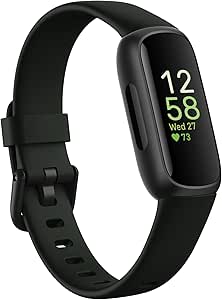
Fitness Tracker Buying Guide: 24/7 Health Monitoring and IP68 Durability
When shopping for a fitness tracker like this one, you're looking for a device that balances continuous health monitoring—heart rate, blood pressure, blood oxygen, and sleep—with everyday wearability and durability. This tracker claims 24/7 tracking, IP68 waterproofing, and compatibility with both Android and iPhone, making it a versatile option for a wide range of users. Before you commit, here are the key factors to weigh.
Key Considerations Before Buying
- Sensor accuracy: For 24/7 heart rate and blood oxygen readings, check if the tracker uses established sensor technology (like photoplethysmography) and how it performs during exercise versus rest. Inconsistent readings could undermine your health insights.
- Comfort and battery life: Since you'll wear it day and night for sleep tracking, ensure the strap is skin-friendly and the battery lasts at least 5-7 days. A device that dies mid-day defeats the purpose of continuous monitoring.
- Smartphone compatibility: While this tracker works with both Android and iPhone, verify that the companion app supports your specific phone model and OS version. Some budget trackers have limited app functionality on certain devices.
What Our Analysts Recommend
Look for trackers that offer multiple data points (steps, calories, heart rate, SpO2) and a clear, easy-to-read display. Quality indicators include a responsive touchscreen, reliable Bluetooth connectivity, and a companion app that syncs data seamlessly. Also, check for user reviews that mention real-world battery life and sensor accuracy, as these are often the first to fail in cheaper models.
Activity Trackers Market Context
Market Overview
The activity tracker market is saturated with options ranging from budget bands to premium smartwatches. In the UK, consumers increasingly seek devices that offer health monitoring without the high price tag of flagship brands, driving demand for trackers that provide heart rate, blood pressure, and oxygen monitoring at a fraction of the cost.
Common Issues
Common issues in this category include inaccurate heart rate readings during high-intensity workouts, poor sleep stage detection, and app sync problems. Additionally, many budget trackers claim water resistance but fail to withstand actual swimming or showering, leading to early malfunctions.
Quality Indicators
Quality trackers typically have a robust build, a secure strap closure, and a sensor array that includes multiple LEDs for better accuracy. Look for certifications like IP68 for water resistance and check if the brand provides regular firmware updates to fix bugs and improve performance.
Review Authenticity Insights
Grade B Interpretation
The Grade B authenticity rating and estimated 15% fake review percentage suggest that while the majority of reviews are genuine, a notable minority may be incentivized or fabricated. This is not uncommon for budget electronics, but it means you should take the 5.00/5 rating with a grain of salt. The adjusted rating of 4.60/5 is a more realistic expectation of user satisfaction.
Trust Recommendation
Given the 15% fake review rate, focus on verified purchase reviews and those that mention specific pros and cons. Look for patterns—if multiple reviewers mention the same issue (e.g., battery drain or inaccurate blood pressure), it's likely a real concern. Also, consider the product's long-term reliability by checking for reviews written after weeks or months of use.
Tips for Reading Reviews
When reading reviews for this fitness tracker, prioritize those that include photos or videos, as they often show the actual device and its display. Be wary of overly enthusiastic reviews with vague language like 'amazing' or 'perfect' without specific details. Also, check the date of reviews—recent reviews may reflect the latest firmware or batch quality.
Expert Perspective
This fitness tracker appears to be a solid budget option for users who want basic health metrics without breaking the bank. The genuine reviews highlight its value compared to premium brands, particularly for step counting and heart rate monitoring during daily activities. However, the 15% fake review rate and the common issues in this category (sensor accuracy, app reliability) mean you should temper expectations. The IP68 rating and compatibility with both Android and iPhone are strong selling points, but the blood pressure monitoring may not be medically accurate—something to consider if that's a primary need.
Purchase Considerations
Weigh the price against the features: if you only need step tracking and sleep monitoring, this tracker is likely sufficient. But if you require high-accuracy health data for medical reasons, invest in a more established brand with clinical validation. Also, consider the battery life and whether the app is user-friendly—these are the most common pain points in user reviews.
Comparing Alternatives
Shoppers should compare this tracker with other budget options like Xiaomi Mi Band or Amazfit models, which often have more mature apps and better sensor accuracy. For a similar price, you might find a device with a more established reputation and lower fake review rates.