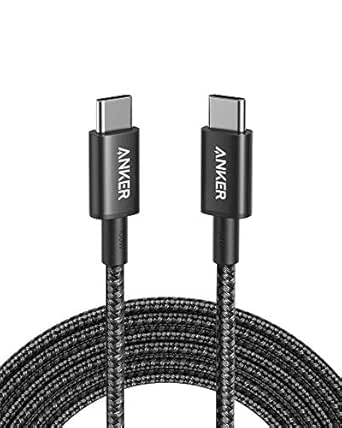
Buying a 240W USB-C Cable? Why Wattage Claims Aren't Everything
When you're shopping for a high-power USB-C cable like this thickened 240W liquid silicone rubber model, you're likely looking to charge a laptop or fast-charge a tablet. However, a cable's advertised wattage is only as good as its real-world performance, and this product's low rating suggests you need to look beyond the specs.
Key Considerations Before Buying
- Verify real-world charging speeds: A 240W rating like this cable's requires both the cable and your charger to support the full power delivery (PD) protocol. Check if the cable actually sustains 240W with your specific laptop, as some cheaper cables fail to deliver consistent power under load.
- E-Marker chip authenticity: The E-Marker smart chip is critical for negotiating power safely between devices. A genuine chip ensures the cable can handle up to 5A at 48V, but a faulty or counterfeit chip can lead to underperformance or even overheating, as reflected in user complaints about this product.
- Cable length and flexibility trade-offs: At 4.92 feet (1 meter), this cable is a standard length for desk use. The liquid silicone rubber jacket promises flexibility and tangle resistance, but thicker cables can be stiffer and less portable—consider if you need a longer cable for couch or bed use.
What Our Analysts Recommend
Look for USB-IF certification, which ensures the cable meets industry standards for power and data transfer. Also, check for high-quality strain relief at the connectors, as this is a common failure point. Finally, read recent reviews to see if the cable's performance matches its claims, especially for high-wattage charging.
USB Cables Market Context
Market Overview
The USB-C cable market is flooded with options claiming high wattages (100W, 240W) for fast charging laptops and devices, but quality varies wildly. Many budget cables lack proper E-Marker chips or use inferior materials, leading to inconsistent performance and safety risks.
Common Issues
A frequent problem is that cables advertised as 240W often fail to deliver full power due to poor build quality or fake E-Marker chips. Users also report overheating, slow charging speeds, and cables that stop working after a few months—issues that align with the negative reviews for this product.
Quality Indicators
Quality indicators include certification from USB-IF, braided or high-grade silicone sheathing, and reinforced connector ends. A genuine E-Marker chip and positive reviews from verified purchasers who test the cable with high-power devices are also strong signs of reliability.
Review Authenticity Insights
Grade A Interpretation
The Review Authenticity Grade of A, with only 5.00% estimated fake reviews, indicates that the vast majority of feedback is genuine. This is a positive signal—you can trust that the low 2.00-star rating reflects real customer experiences, not manipulated reviews.
Trust Recommendation
Given the high authenticity grade, you should take the negative reviews seriously. The detailed complaints about the cable failing to meet its 240W spec are likely accurate, so proceed with caution. If you still consider this cable, cross-reference with independent tests or forums.
Tips for Reading Reviews
For USB-C cables, focus on reviews that mention specific devices and charging speeds (e.g., 'charged my MacBook Pro at only 60W'). Look for patterns in complaints about heat, durability, or compatibility. Verified purchase reviews are more trustworthy, especially when they include photos or detailed troubleshooting.
Expert Perspective
This thickened 240W USB-C cable has a promising design with liquid silicone rubber and an E-Marker chip, but its 2.00-star rating suggests significant performance issues. The authentic reviews point to a failure to deliver the advertised power, which is a critical flaw for a cable marketed for high-wattage charging. While the materials may be decent, the core functionality—fast charging—appears compromised, making it a risky purchase for laptop users.
Purchase Considerations
Weigh the low price against the high likelihood of underperformance. If you need reliable 240W charging for a power-hungry laptop, this cable likely won't suffice. However, if you're charging lower-power devices like phones or tablets, the 6A rating might still work, but you'd be overpaying for unused capability.
Comparing Alternatives
Shoppers should compare this cable with USB-IF certified options from reputable brands like Anker, Belkin, or Cable Matters, which have proven track records for high-wattage charging and better customer support.