
Choosing a 512GB MicroSDXC Card for 4K Action Cameras and Smartphones
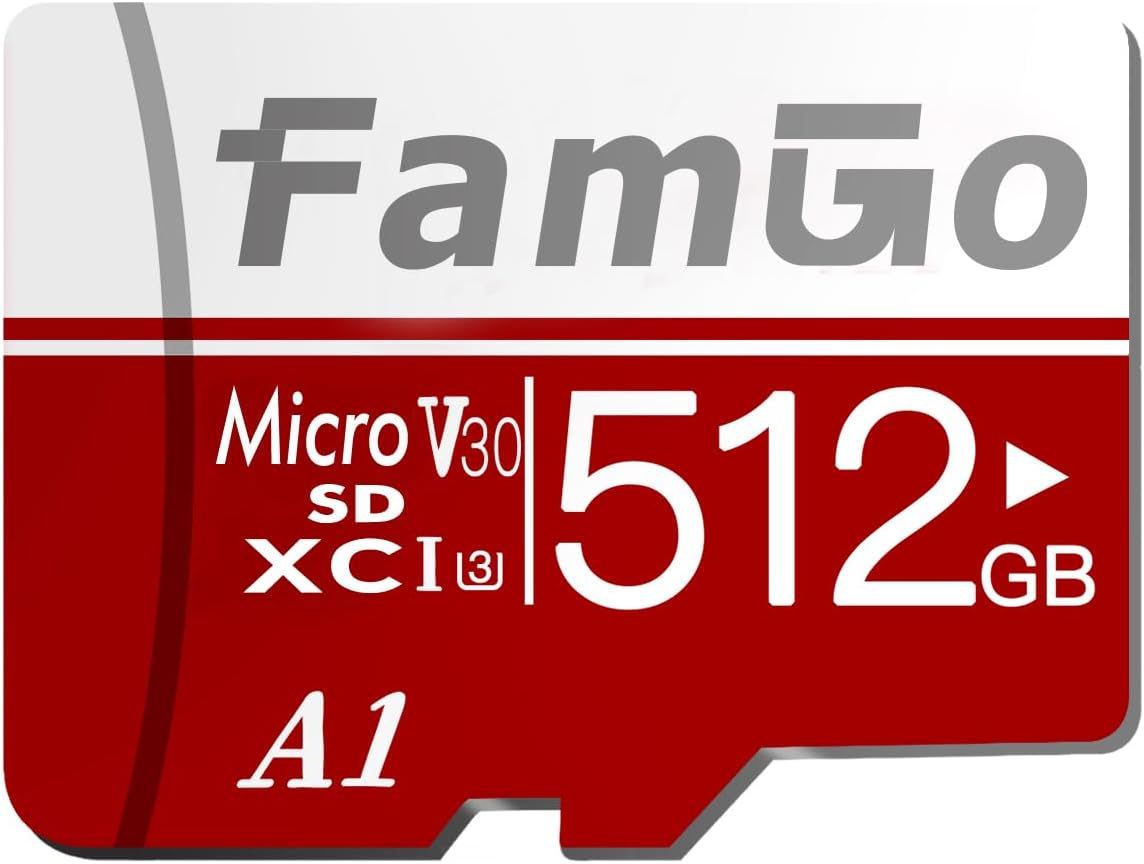
This 512GB MicroSDXC card is specifically marketed for high-bitrate UHD video recording in devices like GoPros and 4K cameras. Buyers should understand that its UHS-I U3, V30, and A1 ratings define its performance envelope for sequential writes and app usage. These specifications are crucial for ensuring smooth 4K video capture without dropped frames.
Key Considerations Before Buying
- The V30 (Video Speed Class 30) rating guarantees a minimum sustained write speed of 30MB/s, which is the baseline requirement for 4K video recording on many action cameras and drones.
- The A1 (Application Performance Class 1) rating indicates it's optimized for smartphones and tablets, ensuring faster app loading and smoother operation when used in mobile devices.
- While UHS-I offers good performance, note that some newer high-end cameras may benefit from UHS-II cards for maximum burst photo shooting; check your device's manual for recommended specs.
What Our Analysts Recommend
For this use case, prioritize cards that explicitly list the V30 and U3 ratings, as these are non-negotiable for reliable 4K video. A legitimate 512GB card should be formatted to offer approximately 465-480GB of usable space due to binary conversion; significantly less could indicate a counterfeit.
Micro SD Cards Market Context
Market Overview
The 512GB capacity tier is increasingly popular for content creators, sitting between mainstream 256GB and prosumer 1TB options. The market is saturated with cards claiming similar UHS-I U3/V30 specs, making brand reputation and warranty support key differentiators.
Common Issues
The most frequent problems are counterfeit cards that report false capacities or fail under sustained write loads, corrupting valuable footage. Incompatibility with older devices that don't support the SDXC standard (cards over 32GB) is another common user error.
Quality Indicators
Look for cards from manufacturers that provide proprietary software for validation and recovery. A legitimate card will have clear, laser-etched labeling and a full warranty from an established distributor, not just a seller.
Review Authenticity Insights
Grade B Interpretation
A 'Grade B' with an 11% estimated fake review rate suggests the majority of feedback is trustworthy, but a small portion requires scrutiny. This is typical for high-volume, value-oriented memory card listings where some incentivized reviews may slip in.
Trust Recommendation
Focus on the verified purchase reviews that detail specific use cases, like 'used in my GoPro Hero 10 for a week of diving' or 'handles 4K60 recording without issue.' Be slightly more skeptical of overly generic five-star reviews that lack device or performance specifics.
Tips for Reading Reviews
For technical products like this, prioritize reviews that mention real-world stress tests—continuous recording until the card is full, transferring large 100GB+ files, or using it in the exact devices listed (GoPro, DJI drone, etc.). These provide evidence the card meets its rated specs.
Expert Perspective
The adjusted 4.70/5 rating from likely genuine reviews indicates a product that reliably performs its core function for most buyers. The specifications (U3, V30, A1) target a specific user: someone who needs affordable, high-capacity storage for 4K video and smartphone use, but not necessarily the absolute peak sequential speeds required for 8K or high-framerate RAW video. The high number of verified purchases supporting the rating adds credibility.
Purchase Considerations
Weigh the cost per gigabyte against established brands like SanDisk or Samsung. If your primary device is a high-end cinema camera or you require maximum burst write speeds, investing in a UHS-II V60/V90 card may be necessary. For the stated uses—action cams, 4K cameras, and smartphones—this card's specs are appropriately matched.
Comparing Alternatives
Shoppers should compare the sustained write speeds and warranty length with similarly priced cards from major brands to assess overall value.


