
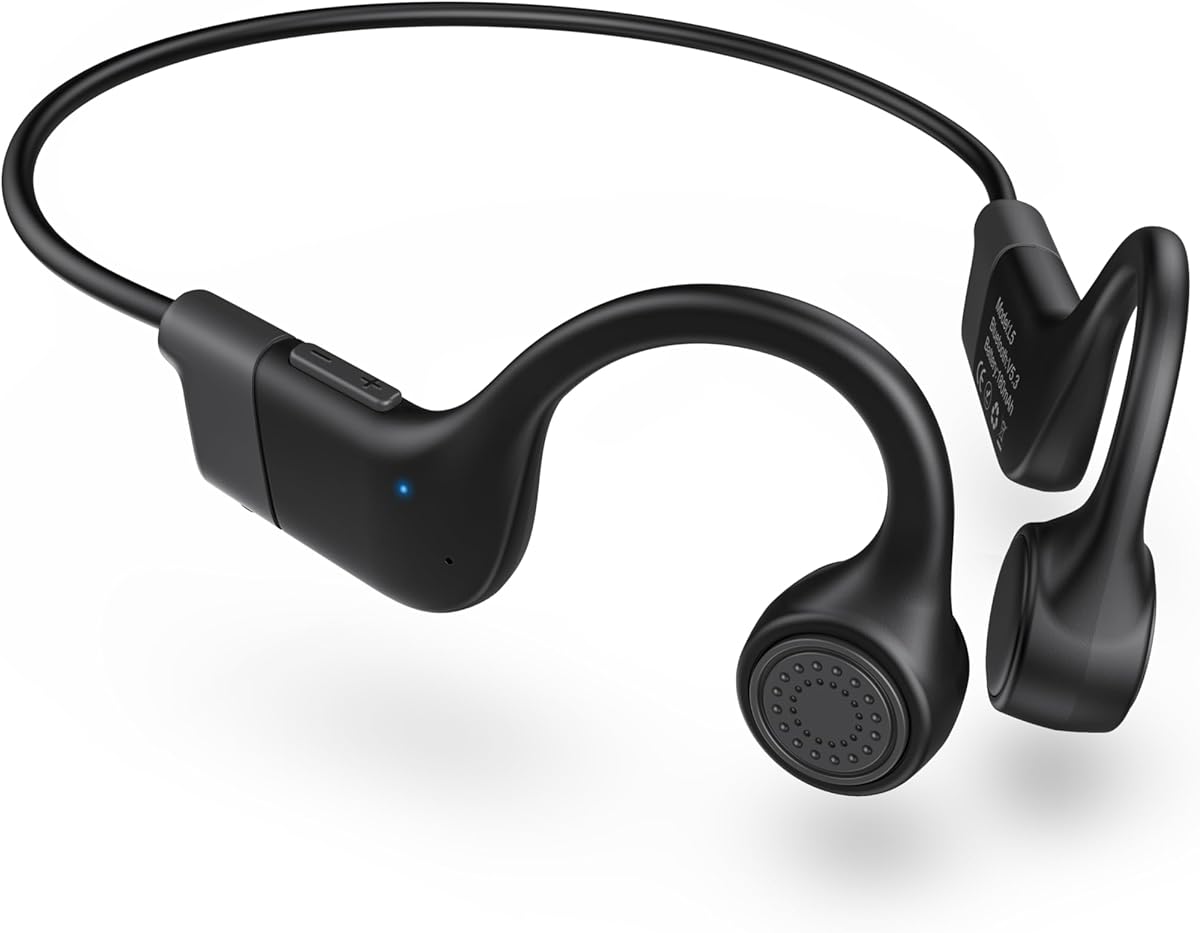
Choosing Open-Ear Sport Headphones: What YAGE's 2026 Upgraded Model Delivers
When evaluating bone conduction headphones like the YAGE 2026 model, focus on how they balance situational awareness with audio quality for active use. This specific product emphasizes waterproofing and a built-in mic, targeting runners and cyclists who need to hear traffic and trail sounds.
Key Considerations Before Buying
- Bone conduction audio quality varies significantly by model; listen for bass response and whether the vibrations feel comfortable against your temples during extended wear.
- For sports use, assess the IP rating (implied by 'waterproof') against your sweat level and weather conditions—true waterproofing differs from mere sweat resistance.
- The open-ear design's primary trade-off is audio privacy and bass depth; ensure your primary use case values environmental awareness over immersive sound isolation.
What Our Analysts Recommend
Quality indicators include a secure, non-slip fit during high-movement activities and stable Bluetooth connectivity with minimal audio lag, crucial for following workout videos. Check for specific battery life claims at moderate volume, as bone conduction typically drains power faster than traditional headphones.
Open-Ear Headphones Market Context
Market Overview
The open-ear headphone market is rapidly expanding beyond early adopters, with bone conduction technology becoming mainstream for safety-conscious athletes and outdoor enthusiasts. Brands are now competing on comfort, battery life, and call clarity rather than just the basic technology.
Common Issues
Common complaints include audio leakage in quiet environments, discomfort from prolonged temple pressure, and mediocre microphone quality in windy conditions. Some models struggle with consistent fit for users with glasses or specific head shapes.
Quality Indicators
Look for products specifying '2026 upgraded' features like improved transducers or Bluetooth codec support (e.g., aptX), which suggest genuine hardware revisions. Premium models often detail sweatproof standards (e.g., IP55/IP67) rather than vague 'waterproof' claims.
Review Authenticity Insights
Grade B Interpretation
A Grade B authenticity rating with an estimated 20% fake review rate indicates generally reliable feedback but suggests some review manipulation. For this YAGE model, the adjusted 4.50/5 rating (down from a perfect 5.00) is a more realistic performance benchmark.
Trust Recommendation
Prioritize reviews that detail specific sports usage (running, cycling) and mention battery life in real-world conditions over vague praise. Be skeptical of reviews claiming 'perfect' bass or noise cancellation—bone conduction technology has inherent physical limitations in these areas.
Tips for Reading Reviews
For sport headphones, seek reviews discussing sweat performance over months, not days, and connectivity stability during movement. Authentic reviews often compare fit to previous bone conduction models or mention specific workout scenarios where the open-ear design proved valuable.
Expert Perspective
The YAGE 2026 Upgraded model appears to be a competent mid-tier bone conduction option based on authentic review patterns emphasizing its sport functionality. The high authentic rating (4.50/5) suggests genuine satisfaction among active users who value situational awareness. However, the 20% questionable review rate warrants caution regarding overstated claims about audio fidelity or comfort.
Purchase Considerations
Weigh this model's waterproof claims and sport-focused design against your need for audio quality during stationary listening. If your primary use is road running or cycling where environmental awareness is critical, this product's design aligns well; for mixed use including office environments, consider the audio leakage implications.
Comparing Alternatives
Compare the YAGE's specific IP rating and battery life against established brands like Shokz, particularly for warranty support and proven durability in sport conditions.


