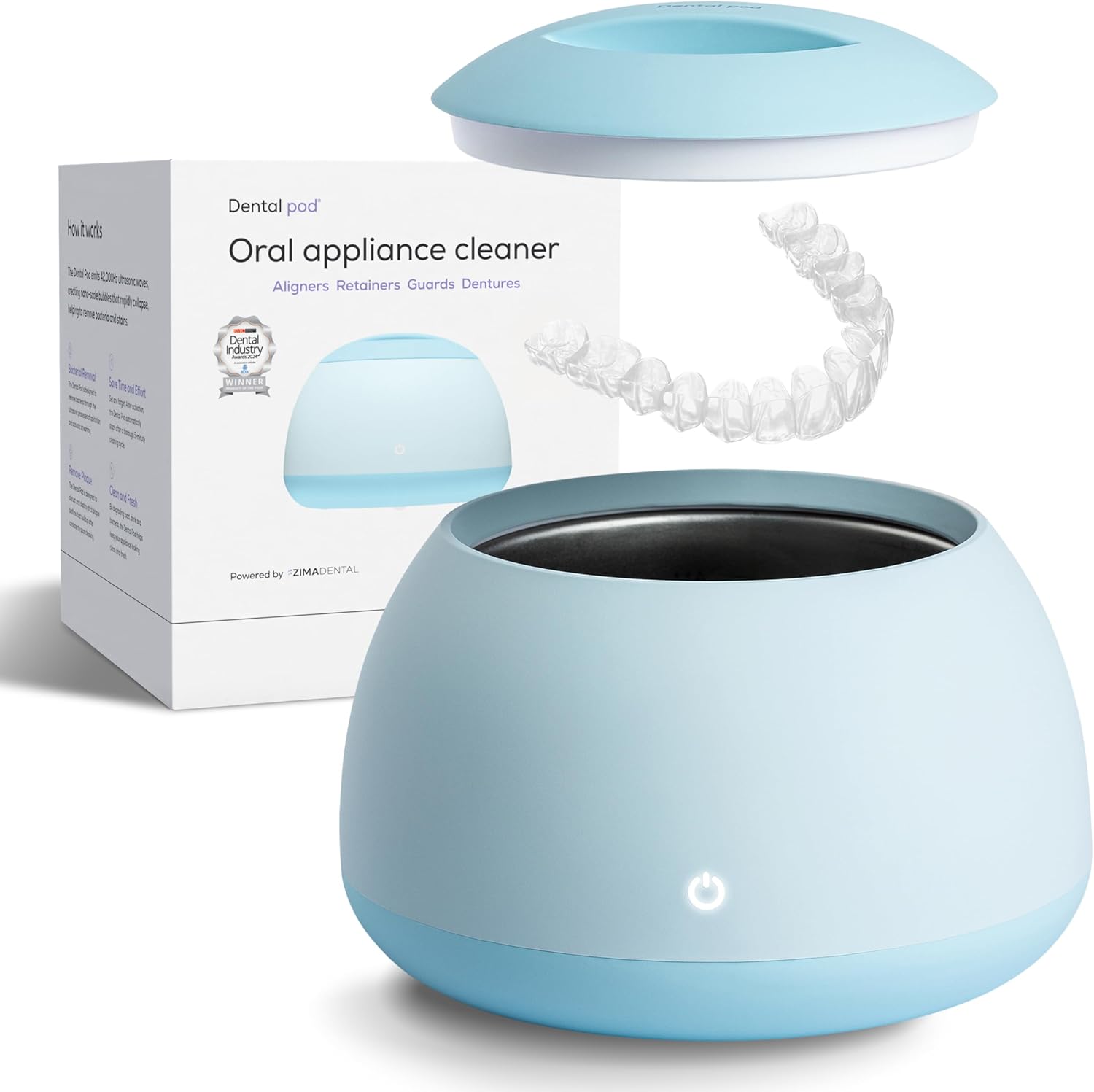
Choosing an Ultrasonic Dental Cleaner: Key Features for Retainer and Aligner Hygiene
When evaluating this specific 45000Hz ultrasonic cleaner with UV-light capabilities, buyers should understand that effective dental appliance cleaning requires both cavitation power and sanitization. This particular model combines ultrasonic waves with UV-C light, targeting both debris removal and microbial reduction—a dual approach essential for orthodontic retainers and aligners that spend hours in the mouth.
Key Considerations Before Buying
- The 45000Hz ultrasonic frequency is particularly effective for dental appliances as it generates smaller, more numerous bubbles that can penetrate intricate aligner grooves and retainer clasps where biofilm accumulates.
- The 200ml tank capacity directly impacts what you can clean simultaneously; this size accommodates most full dental retainers but requires strategic loading for multiple smaller items like aligners and toothbrush heads.
- Four cleaning modes suggest versatility, but for dental use, look specifically for a dedicated gentle cycle that prevents warping or damaging temperature-sensitive aligner materials like Essix or Vivera retainers.
What Our Analysts Recommend
Quality indicators for ultrasonic dental cleaners include sealed UV-light chambers that prevent water damage to LEDs, and a non-abrasive basket material that won't scratch clear aligners. The presence of a dedicated dental appliance cycle, rather than just jewelry settings, shows manufacturer understanding of the category's specific needs.
Cleansers Market Context
Market Overview
The ultrasonic dental cleaner market has expanded beyond basic jewelry cleaners to include specialized models with UV sanitation, responding to increased aligner and retainer usage from at-home orthodontic treatments. Products now compete on frequency specifications, with 40000-50000Hz becoming the standard for dental biofilm removal.
Common Issues
Many ultrasonic cleaners lack appropriate baskets for small dental items, causing aligners to contact tank walls during operation. Another frequent complaint involves UV lights positioned poorly for dental appliances, leaving shadow areas on curved retainer surfaces where sanitization is incomplete.
Quality Indicators
Superior ultrasonic dental cleaners feature frequency stability technology that maintains consistent cavitation throughout the cycle, not just at startup. Look for products specifying medical-grade UV-C wavelength (typically 253.7nm) rather than just 'UV light,' as this ensures proper germicidal effectiveness for oral appliances.
Review Authenticity Insights
Grade B Interpretation
The Grade B authenticity rating with 10% estimated fake reviews indicates generally reliable feedback, though some review manipulation may be present. For this product category, fake reviews often exaggerate cleaning performance on heavily stained retainers or understate the noise level during operation.
Trust Recommendation
Focus on verified purchase reviews discussing specific dental use cases over several months, as authentic feedback typically mentions gradual tartar removal rather than instant whitening. Be particularly skeptical of reviews claiming this cleaner completely removes deep-set aligner stains in one cycle—this often indicates unrealistic expectations or inauthentic praise.
Tips for Reading Reviews
Prioritize reviews that mention compatibility with specific aligner brands (Invisalign, SmileDirectClub) or detail maintenance experiences over time. Authentic reviews often discuss water residue patterns or basket fit issues—practical concerns that fake reviews typically omit.
Expert Perspective
With an adjusted 4.50/5 rating from verified purchases, this cleaner performs well within its category, particularly for users seeking combined ultrasonic and UV sanitization. The 45000Hz frequency is appropriate for dental biofilm disruption, though the 200ml capacity may limit batch cleaning for multiple aligner sets. The high authentic review percentage (90%) suggests real-world satisfaction aligns with advertised capabilities, though the 10% potential manipulation rate warrants careful review scrutiny regarding noise levels and long-term UV light durability.
Purchase Considerations
Weigh whether you need both ultrasonic cleaning and UV sanitization, as some users find manual brushing with retainer tablets sufficient. Consider your specific dental appliances—this unit's basket design appears optimized for full retainers rather than segmented aligners, which may require separate cleaning cycles.
Comparing Alternatives
Compare this model's 4-mode system against simpler ultrasonic-only cleaners if UV sanitization isn't a priority, as this feature significantly impacts both price and maintenance requirements.