Evaluating Microcurrent Sleep Devices: What BOYUNSHI's Features Mean for You
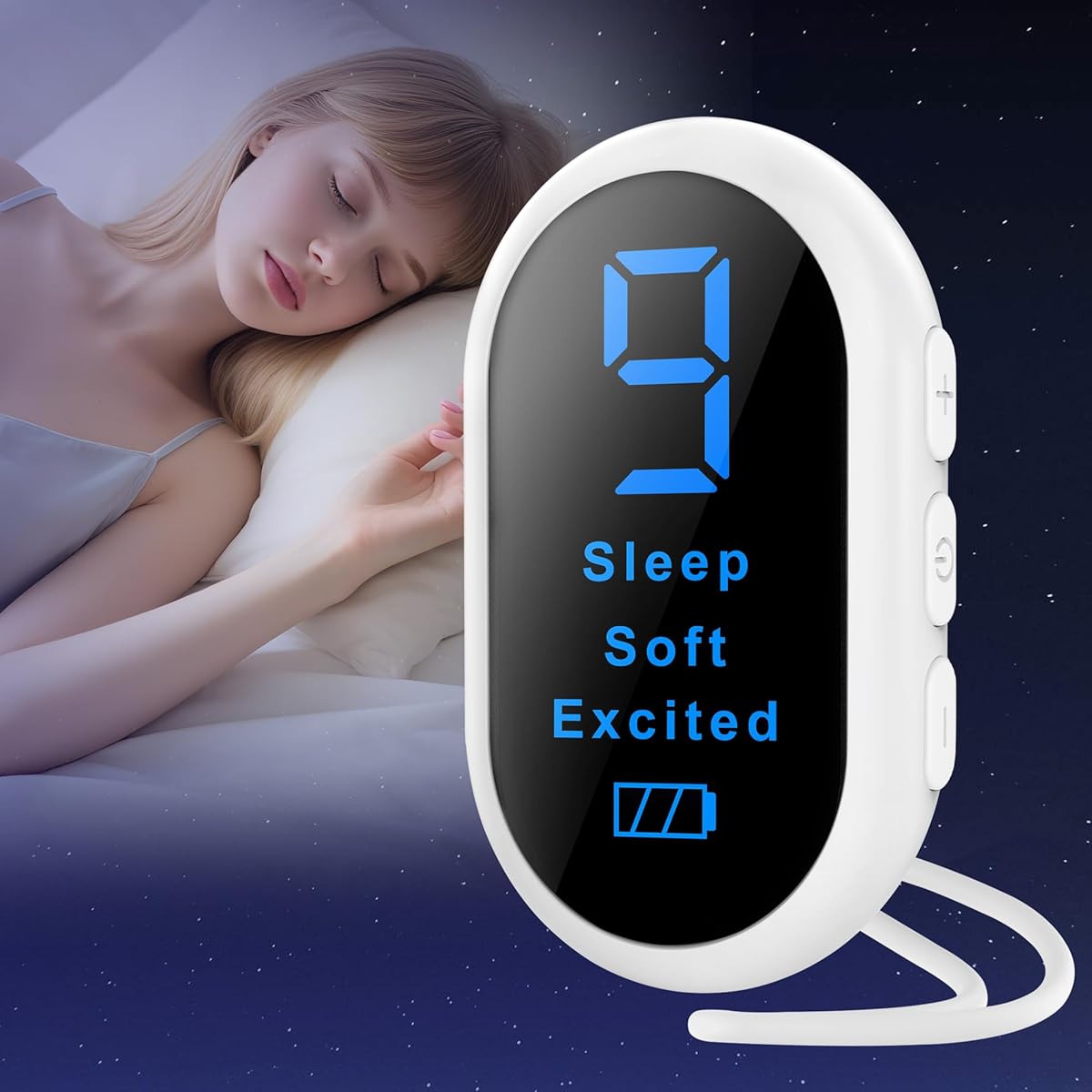
When considering the BOYUNSHI Calm Palm, you're evaluating a specific type of non-invasive neuromodulation device. Unlike traditional sleep aids, this product uses microcurrent stimulation through palm electrodes, targeting the body's electrical system rather than relying on pharmaceuticals or sound therapy. The Type-C rechargeable design and 3 modes with 9 adjustable gears represent key functional characteristics that directly impact usability and personalization.
Key Considerations Before Buying
- The microcurrent intensity range (9 adjustable gears) matters significantly—some users report needing higher settings for noticeable effect, while others find lower settings sufficient for mild sleep maintenance issues.
- Portable design versus treatment consistency: While handheld operation offers convenience, achieving consistent electrode placement on the palm can affect the reliability of the microcurrent delivery during sleep transitions.
- Battery life relative to usage patterns: The Type-C rechargeable system must support extended use if you plan to employ the device throughout the night rather than just during sleep onset.
What Our Analysts Recommend
For microcurrent sleep devices specifically, examine the electrode surface area and material—the BOYUNSHI uses palm contact points that should maintain consistent skin contact despite movement. Quality indicators include clear documentation of microcurrent parameters (though often proprietary) and build quality that withstands nightly handling without compromising the delicate current delivery system.
Hypnotic Sleeping Aids Market Context
Market Overview
The microcurrent sleep aid category has expanded rapidly, moving from clinical TENS-like devices to consumer handheld units like the BOYUNSHI. These products occupy a middle ground between basic relaxation tools and prescription sleep solutions, with prices typically ranging from £40-£120 in the UK market. The category faces increasing scrutiny regarding efficacy claims versus measurable sleep architecture improvements.
Common Issues
Users frequently report inconsistent results with microcurrent devices, often related to improper electrode placement or insufficient treatment duration. Another recurring concern is the lack of standardized intensity measurements across brands, making it difficult to compare the BOYUNSHI's '9 gears' with competitors' settings. Some devices also struggle with maintaining consistent current delivery as battery levels decrease.
Quality Indicators
Higher-quality microcurrent sleep aids typically feature medical-grade electrodes, clear safety certifications for electrical medical devices, and transparent specifications about output ranges (measured in microamperes). The BOYUNSHI's inclusion of multiple modes suggests attempts to address different sleep issues—look for specific explanations of what each mode targets physiologically.
Review Authenticity Insights
Grade B Interpretation
A Grade B authenticity rating with 15% estimated fake reviews suggests the BOYUNSHI's review profile contains mostly genuine feedback but requires careful reading. The 0.32-point drop from the displayed 4.22 to adjusted 3.90 rating indicates some review manipulation, though not at levels that completely distort the product's reception.
Trust Recommendation
Focus on reviews that describe specific usage patterns with the 3 modes and gear adjustments, as these detailed experiences are harder to fabricate. Be particularly skeptical of reviews claiming dramatic, immediate results without mentioning adjustment periods or learning curves with electrode placement.
Tips for Reading Reviews
For this device, prioritize reviews that discuss using multiple gear settings over time, as authentic users typically experiment to find their effective intensity. Pay special attention to comments about battery life during overnight use and consistency of the microcurrent sensation—these operational details rarely appear in fabricated reviews.
Expert Perspective
The BOYUNSHI Calm Palm presents as a mid-tier microcurrent device with reasonable review authenticity for this category. The adjusted 3.90 rating reflects genuine mixed experiences common to neuromodulation sleep aids—some users respond well to the technology while others find minimal effect. The product's design as a handheld unit rather than wearable patch creates both accessibility advantages and consistency challenges. The 3-mode system suggests attempts to address different sleep disruption patterns, though without published clinical parameters for each mode.
Purchase Considerations
Consider your specific sleep issue: microcurrent devices like the BOYUNSHI may show better results for sleep onset difficulties than for maintaining sleep throughout the night. Evaluate your willingness to consistently use the device during your pre-sleep routine, as effectiveness often correlates with regular application rather than sporadic use. The rechargeable design makes it suitable for travel, but consider whether you'll actually incorporate it into your routine away from home.
Comparing Alternatives
Compare the BOYUNSHI's palm-electrode approach with competing devices using temple, wrist, or earlobe placement, as electrode location significantly influences the neural pathways targeted.