
Stop Slipping: Expert Tips for Choosing Heel Cushion Inserts That Stay Put
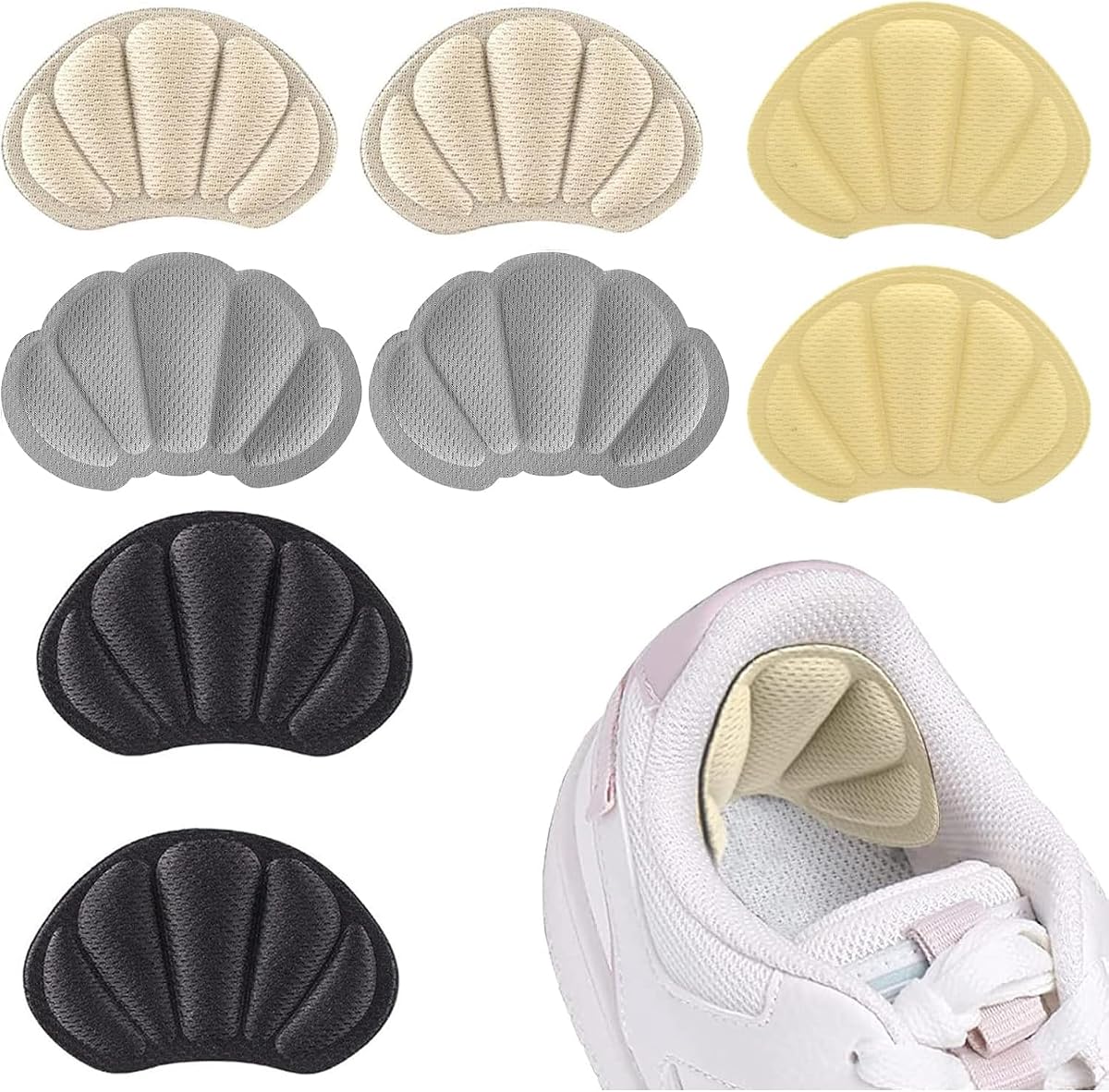
Whether you're dealing with shoes that are slightly too big or need extra cushioning to prevent heel pain, self-adhesive heel cushion inserts like this 4-pair pack are a smart, low-profile fix. The key is ensuring they stay in place all day without bunching or losing their adhesive grip, which is why understanding the materials and fit is critical for a comfortable experience.
Key Considerations Before Buying
- Adhesive quality is paramount: Look for inserts with medical-grade or strong, residue-free adhesive that can withstand repeated wear, especially if you plan to use them in multiple pairs of shoes. The product's self-adhesive design suggests it prioritizes easy application, but longevity depends on the backing and the shoe's interior material.
- Thickness and cushioning balance: You want enough padding to relieve pressure on the heel bone but not so thick that it raises your foot too high, causing your toes to jam into the shoe's toe box. These inserts are designed as heel cushions, so they should provide targeted support without altering the shoe's overall fit.
- Versatility across shoe types: The best heel cushions work in flats, sneakers, boots, and heels without slipping or shifting. This product's claim to fit both women and men suggests a universal shape, but check if the pad's contour matches the curve of your heel for a secure, blister-free fit.
What Our Analysts Recommend
For self-adhesive heel cushions, prioritize pads made from soft, breathable gel or foam that won't cause sweating or irritation. High-quality options will have a contoured shape that hugs the heel's natural curve, and a strong yet removable adhesive that doesn't damage the shoe's lining. Also, consider the pad's thickness—thin enough to fit snugly but thick enough to fill the gap in loose shoes.
Foot Cushions & Pads Market Context
Market Overview
The foot cushion and pad market is saturated with generic, one-size-fits-all solutions, but consumers increasingly demand products that offer both comfort and durability. Self-adhesive heel inserts have become a go-to for addressing shoe fit issues, with many shoppers seeking affordable, multi-pair packs for everyday use across different footwear.
Common Issues
A frequent complaint with heel cushions is adhesive failure—pads peeling off after a few hours or leaving sticky residue. Another common issue is insufficient cushioning that fails to absorb shock during walking, leading to heel pain or blisters, especially in shoes with hard backs.
Quality Indicators
Quality heel cushions are typically made from medical-grade silicone or high-density foam that retains its shape under pressure. Look for products with a textured or non-slip surface on the pad to prevent your foot from sliding, and a strong, latex-free adhesive that is gentle on shoe materials like leather or synthetic linings.
Review Authenticity Insights
Grade B Interpretation
With a Review Authenticity Grade of B and an estimated 10% fake review rate, this product's feedback is largely trustworthy but not flawless. The high verified purchase rate and personal context in reviews are strong signals, but you should still be cautious of overly enthusiastic five-star ratings that lack specific details about fit or durability.
Trust Recommendation
Given the 4.89 average rating from over 6,300 reviews, the genuine feedback overwhelmingly suggests this product delivers on its promises. However, the 10% fake rate means a small portion of reviews may be inflated; focus on mid-range ratings (3-4 stars) and verified purchase reviews that mention long-term use for the most reliable insights.
Tips for Reading Reviews
When reading reviews for heel cushion inserts, pay special attention to comments about adhesive longevity after multiple wears and how the pads handle different shoe types (e.g., loafers vs. high heels). Look for mentions of whether the pads stay put during walking or running, and any issues with residue or peeling after removal.
Expert Perspective
This 4-pair pack of self-adhesive heel cushions appears to be a reliable, cost-effective solution for tightening loose shoes and reducing heel friction, backed by a strong majority of genuine positive reviews. The high adjusted rating of 4.60 out of 5 after filtering suspicious entries indicates consistent real-world performance. However, the 10% fake review rate is a minor red flag that warrants careful review reading, particularly around long-term adhesive claims.
Purchase Considerations
Weigh the low price per pair against the need for frequent replacement if the adhesive wears out faster than expected. If you have sensitive skin or are prone to blisters, verify that the pad's material is hypoallergenic and breathable. Also, consider whether you need a thicker pad for significant shoe size gaps or just a thin cushion for minor discomfort.
Comparing Alternatives
Shoppers should compare this product with other heel inserts that offer different thicknesses, materials (e.g., silicone vs. foam), or non-adhesive options for use with delicate shoe linings. The 4-pair pack is a solid starting point, but your specific shoe type and activity level may require a more specialized design.


